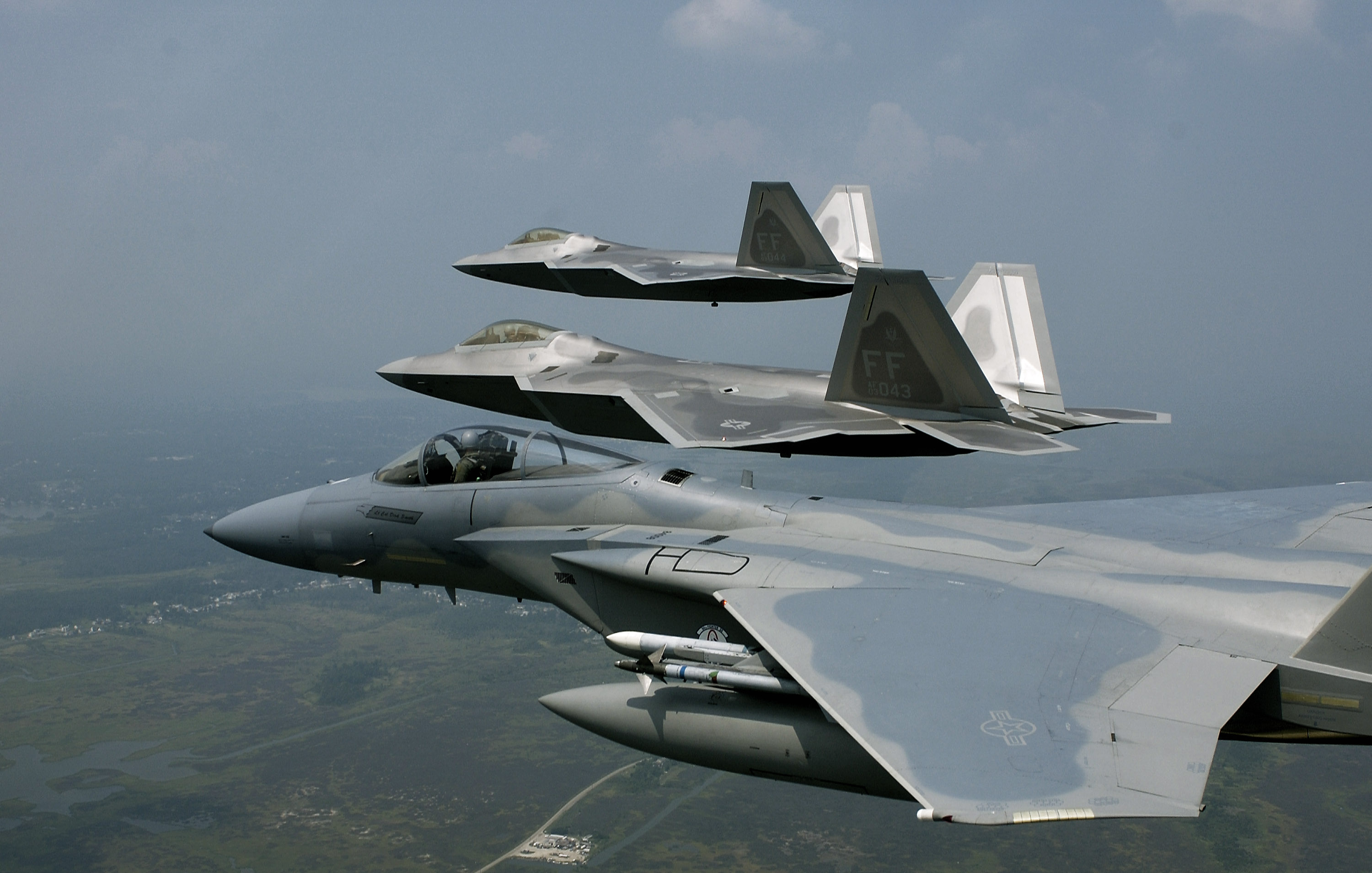
Sweden’s 32‑Jet Gripen Package Tests Russia’s Air Superiority in Ukraine
Sweden’s prime minister says Ukraine will both buy and receive a total of 32 JAS 39 Gripen fighters, including new‑build E‑variants, in one of the war’s most consequential air power deals. The move challenges Russia’s edge in the ‘battle for the skies’ and signals that Western fighter deliveries are shifting from symbolic to structural.
Sweden is preparing to put a sizable squadron of its most advanced Gripen fighters into Ukrainian hands, in a move that could reshape the contested air war with Russia and test Moscow’s long-held assumptions about its dominance in the skies.
Speaking in Ankara on 8 July, Swedish Prime Minister Ulf Kristersson said Ukraine is “actually procuring the new generation of Gripen fighter — the E generation,” and that Stockholm has signed a deal for 16 new aircraft. At the same time, he said, Sweden will donate an additional 16 pre‑owned Gripen jets, for a total of 32 aircraft earmarked for Ukraine. Kristersson did not specify delivery timelines or basing arrangements, and the broader package will still depend on training, infrastructure and integration with Ukraine’s existing air-defense and command systems.
The announcement lands as Ukrainian and Russian forces wage a complex “battle for the skies” involving jets, helicopters, surface-to-air missiles and a rapidly evolving array of drones and guided munitions. Russian analysts, including military commentator Alexander Mikhailov, have argued that Russia currently outmatches Ukraine in most aspects of strike-capable aviation and missile production, from precision cruise missiles to hypersonic systems like Kinzhal and Zircon and mass‑produced attack drones aimed at energy and military infrastructure.
For Ukrainian pilots and air-defense planners, the arrival of modern Western fighters is about narrowing that gap. The Gripen E is designed to operate from short, rough airstrips, turn around quickly with minimal ground crew, and integrate advanced radars and air‑to‑air missiles — traits that fit Ukraine’s dispersed, wartime basing model. Combined with donated second‑hand airframes, the 32‑jet package would give Kyiv a meaningful boost in both air defense and standoff strike potential, provided munitions and maintenance chains are secured.
From a human perspective, every improvement in Ukraine’s air capabilities affects who lives and dies on the ground. Better fighter coverage can mean fewer Russian glide bombs falling on cities like Zaporizhzhia, where recent Su‑34 attacks with KAB munitions have hit industrial areas and injured civilians. It can also offer more protection for Ukrainian infantry and logistics columns under attack from Russian helicopters and fixed‑wing aircraft near the front line.
Strategically, Sweden’s move goes beyond numbers. By selling new‑build E‑variants and donating legacy airframes, Stockholm is signaling long-term commitment to Ukraine’s air fleet, not just a one‑off transfer. That matters for Russia’s calculus: a Ukraine with a mixed fleet of Western fighters is harder to intimidate with missile salvos alone and more capable of contesting Russian air and missile forces over occupied territories and potentially parts of Russia’s own border airspace.
The deal also sits within a broader NATO debate about industrial capacity and the need to convert rising defense budgets into hard power. As NATO leaders in Ankara talk about “NATO 3.0” and expanding defense industry output, Sweden — a new alliance member with a mature aerospace sector — is turning political solidarity into a concrete export and donation program. It underscores that in modern coalitions, the ability to build complex platforms like fighters can be as important as traditional troop contributions.
Still, the Gripen package will not erase Russia’s current advantages overnight. Moscow retains larger stocks of long‑range missiles, more numerous combat aircraft and extensive layered air defenses. The key questions now are how quickly Ukraine can train pilots and ground crews for the Swedish jets, whether Western partners will supply the advanced weapons that make them most effective, and how Russia adapts its own tactics — from deploying more air defenses near the front to increasing long‑range missile strikes on Ukrainian air bases. Those decisions will determine whether the Gripen becomes a marginal addition or a turning point in the air war.
Sources
- OSINT