Russian Africa Corps Convoy Ambush in Mali Exposes Moscow’s Vulnerability in Sahel War
A Russian ‘Africa Corps’ convoy was reportedly ambushed near Gao in northern Mali, with claims of dozens of Russian fighters killed as insurgent groups intensify attacks. The incident lays bare how Moscow’s expanding security footprint in the Sahel is dragging it into a grinding war of attrition — with risks for local civilians, regional regimes and Western influence.
Russia’s push to replace Western forces as the security guarantor of choice for fragile Sahel states is running into the same brutal reality that hobbled its predecessors: convoys are vulnerable, and insurgents are learning how to bleed foreign partners.
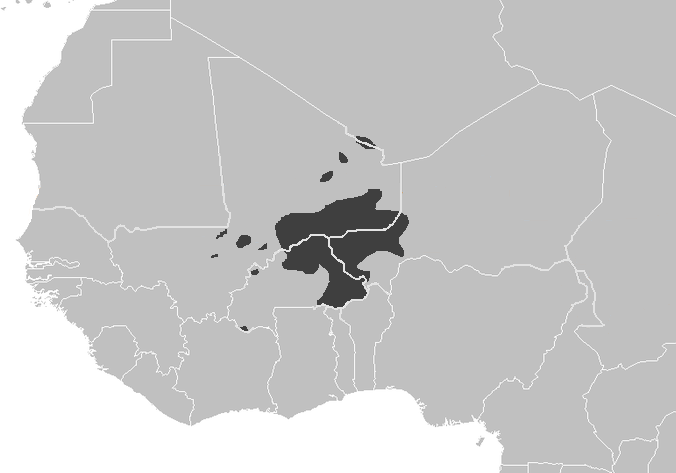
Reports from Mali on 7 July said a convoy belonging to Russia’s "Africa Corps" — a state‑aligned military formation that has taken over many of the roles once played by the Wagner Group — was ambushed two days earlier in the Gao region of northern Mali. The posts sharing images from the scene claimed that dozens of Russian soldiers were killed, though those casualty numbers cannot be independently verified. Separate commentary noted that Africa Corps units are suffering heavy fighting and high losses in Mali as various rebel and jihadist factions mount a strong offensive.
For Russian operators on the ground, the risks are immediate and lethal. Convoys moving through the vast, sparsely governed north must navigate roads laced with improvised explosive devices and ambush points known well to local insurgents. Unlike in Ukraine, where Russia fights as a conventional army on relatively contiguous front lines, in Mali its personnel are scattered across remote outposts, escort missions and joint operations with Malian forces that often lack air cover or rapid reaction capability.
For Malian civilians, the intensifying insurgent campaign and the government’s reliance on foreign fighters bring their own dangers: reprisals against communities suspected of cooperating with either side, disruptions to markets and aid deliveries when routes become unsafe, and the risk that urban centers like Gao become more militarized as authorities try to protect against similar attacks. Each ambush on a high‑profile foreign partner can trigger crackdowns that leave local populations caught between militants and state‑aligned forces.
Strategically, the ambush is a test of Russia’s ability to deliver the security it has promised to regimes from Bamako to Ouagadougou in exchange for mining rights, basing access and diplomatic alignment. Moscow has positioned Africa Corps as a reliable alternative to Western forces, arguing that it will not condition its support on governance or human‑rights reforms. But sustained losses in the field could weaken its leverage, erode the aura of competence it has sought to project, and force it to decide how much blood and treasure it is willing to spend to hold terrain far from home.
The incident also matters for Western interests. As France and European partners have drawn down their military presence in Mali and neighboring states, Russia has moved in, changing the balance of influence around critical uranium, gold and other mineral resources as well as key transit routes across the Sahara. If Africa Corps begins to falter, or if its presence further radicalizes armed groups, Western governments could face a region that is both more hostile and less governable — a combination that fuels migration pressures, terrorism threats and opportunities for rival powers to step in.
Insurgents from the Sahel to the Middle East have long understood that convoy ambushes are one of the cheapest ways to raise the cost of intervention for a foreign power.
What happens next will hinge on whether Russia reinforces its deployments in northern Mali, adjusts its tactics — for example, relying more heavily on airpower and drones — or quietly scales back its exposure. Watch for changes in the tempo of Africa Corps operations, shifts in Malian government rhetoric about its Russian partners, and any new cooperation offers from other external actors, including Turkey or Gulf states. A surge in propaganda from jihadist groups claiming responsibility for high‑profile attacks on Russian forces would be another signal that the Sahel has become an increasingly important front in Russia’s wider confrontation with the West.
Sources
- OSINT