PKK–Turkey Truce Lets Kurdish Villages Breathe After Decades of Shelling
In Iraq’s Duhok and Erbil provinces, some Kurdish villages abandoned for decades are being repopulated as a peace process between Türkiye and the PKK reduces cross‑border violence. While hundreds of communities along the frontier remain empty, the tentative returns show how quickly people move home when artillery falls silent. This piece explores the human relief, the limits of the calm, and what it means for Ankara, Baghdad and Kurdish politics.
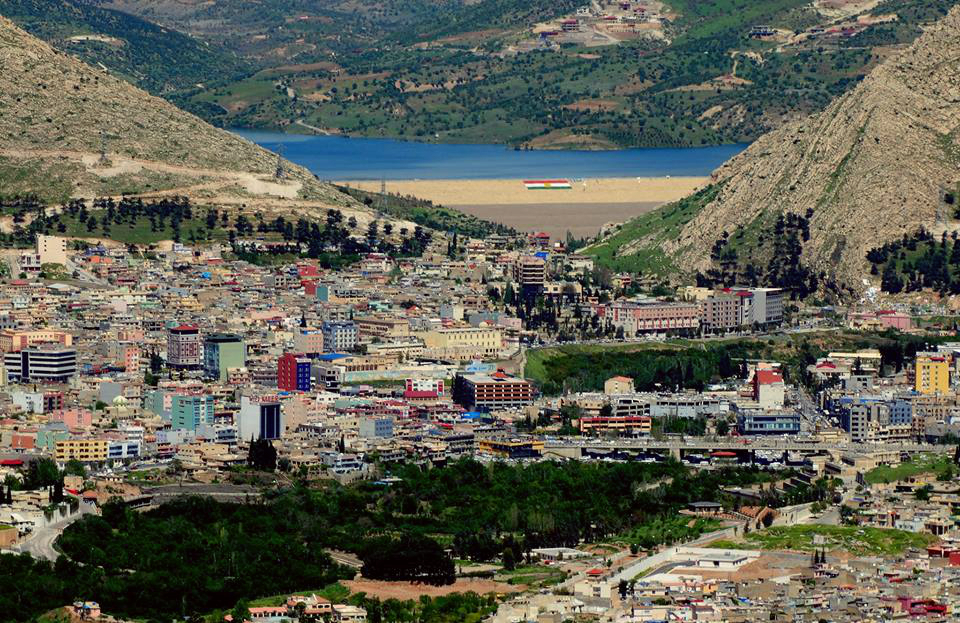
In a remote corner of the Turkish–Iraqi borderlands, the sound of artillery has given way to the sound of families moving back. Around Mount Gara in Iraq’s Duhok province, 21 villages in the Amedi district that had been emptied by decades of conflict between Türkiye and the Kurdistan Workers’ Party (PKK) are now seeing residents return, local officials say, thanks to a fragile but real peace process that has sharply reduced cross‑border fire.
The mayor of the district describes a simple reason for the change: people no longer expect their homes to be collateral damage. For years, Turkish airstrikes and PKK presence in the surrounding hills turned daily life into a risk calculation. Farmers weighed whether planting a field was worth the chance of being caught in a bombing run; parents debated whether it was safe to send children to school along roads that might be used by fighters. As the truce has taken hold, those calculations are shifting.
The returns are still modest in scale. Hundreds of other villages along the border remain empty. In Erbil and Duhok governorates combined, 276 out of 437 frontier villages are still deserted, according to regional figures. In Sidakan, a mountainous sub‑district near Erbil that saw some of the worst shelling, 118 villages remain uninhabited. The scars of the conflict — from destroyed houses to uncleared ordnance — are physical, not just psychological, and they will take years and money to address.
For families choosing to go back now, the stakes are intensely personal. A village is not only a set of coordinates but access to ancestral land, grazing routes and local social networks that cannot be easily recreated in urban displacement. Returning means the possibility of rebuilding homes without having to pay rent in a city, planting orchards that will last beyond a single season, and burying relatives in family cemeteries rather than in anonymous plots far from home.
At the same time, the repopulation carries a strategic dimension for both Baghdad and Ankara. A living civilian buffer along the border makes it harder for armed groups to move unnoticed and raises the political cost of future cross‑border operations. For Türkiye, a reduction in PKK activity on its frontier combined with a quieting of international criticism over airstrikes in Iraqi Kurdistan could support a broader effort to stabilize its southern approaches. For the Iraqi central government and the Kurdistan Regional Government, restored villages mean more eyes and ears on remote terrain and a partial reversal of the demographic erosion in sensitive border belts.
Yet the numbers underscore how incomplete the shift is. With well over half of registered villages still empty, large stretches of the border remain militarized space in all but name. Many of the communities still hesitate to return because they do not trust that the peace process will hold, or because basic services like electricity, roads and schools have not been restored. Aid organizations and local authorities face the dilemma of how much to invest in reconstruction while the possibility of renewed fighting remains.
For the wider region, the emerging calm around Mount Gara is a reminder that even deeply entrenched conflicts can produce windows of opportunity for normal life — but only if local people believe those windows will stay open. The success or failure of these early returns will shape perceptions of the PKK–Turkey process in other contested areas, influencing whether displaced families in places like Sidakan risk following suit.
The developments to watch next are practical ones: whether more villages beyond the initial 21 around Mount Gara see organized returns, whether demining and infrastructure crews receive the resources they need to make those returns sustainable, and whether Turkish and PKK forces maintain enough restraint to keep farmers in the fields rather than back on the roads to displacement camps.
Sources
- OSINT