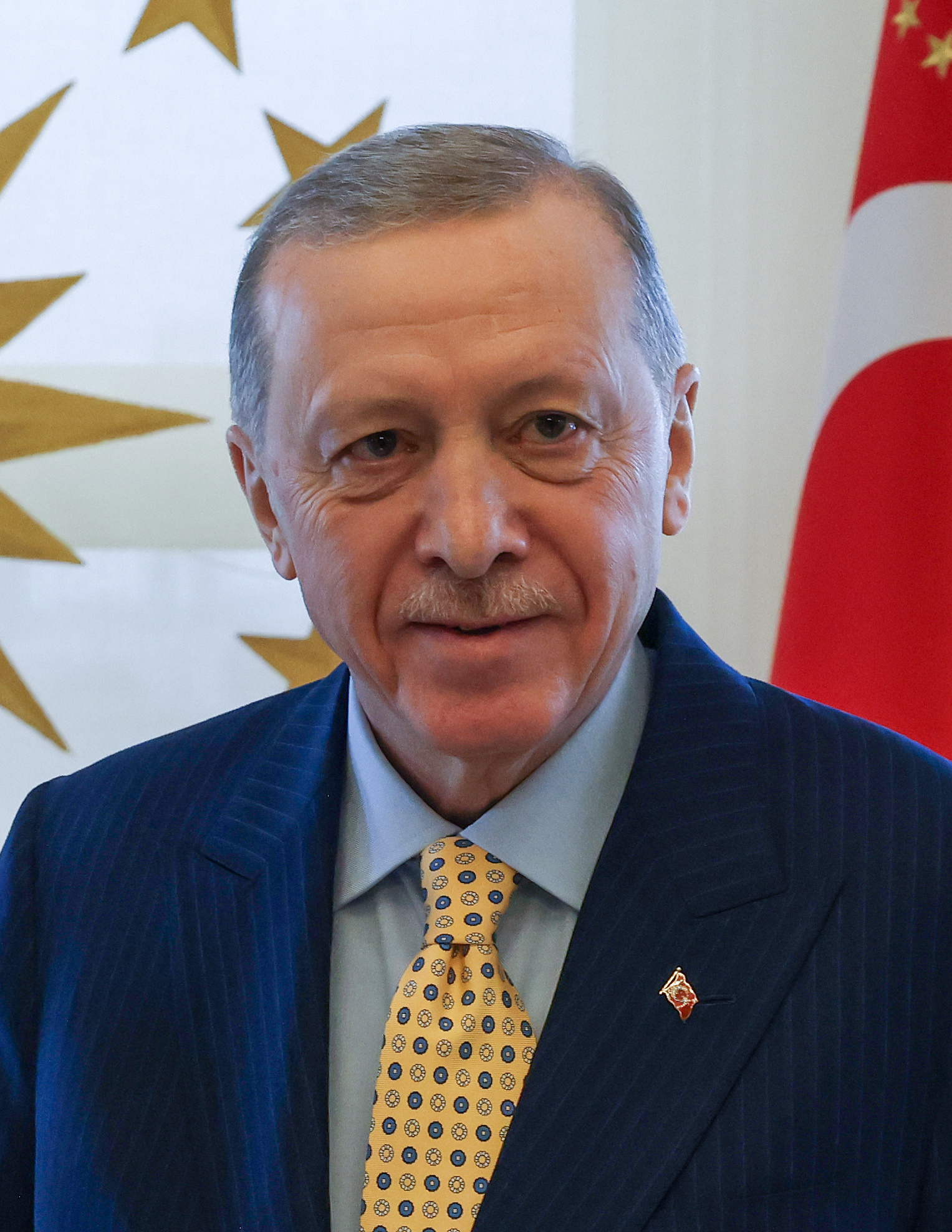
Erdogan Warns Israeli Strikes Now Threaten Türkiye, Vows Firm Eastern Med Response
Severity: WARNING
Detected: 2026-06-10T11:27:39.477Z
Summary
Between 10:28 and 11:01 UTC, President Erdogan escalated rhetoric, declaring that Israeli attacks in Syria and Lebanon have reached a level that ‘threatens Türkiye’ and warning of a ‘very clear and very firm’ response if Turkish and Turkish Cypriot rights in the Eastern Mediterranean are challenged. His remarks sharpen the risk of a direct Turkey–Israel confrontation in contested air and maritime space, complicating NATO cohesion and unsettling Eastern Med energy and shipping plans.
Details
Between 10:25 and 11:01 UTC on 10 June, Turkish President Recep Tayyip Erdogan delivered a series of highly charged statements that materially raise the political and military temperature around the Eastern Mediterranean and the broader Israel–Lebanon–Syria battlespace.
In remarks captured across multiple reports (25, 42, 44–50), Erdogan asserted that Israeli operations against Syria and Lebanon have now reached a point that ‘threatens Türkiye,’ accused Israel of ‘provocative actions’ in the Mediterranean, and explicitly warned that any attempt to infringe on the rights and interests of Türkiye and Turkish Cypriots in the Eastern Mediterranean would meet a ‘very clear—and very firm’ response. He framed Israel as a ‘hotbed of sedition’ destabilizing Africa and the Mediterranean, compared current inaction toward Israel to pre‑WWII appeasement of Hitler, and declared that Türkiye’s security begins not only in its southern province of Hatay but also in Aleppo, Damascus and Beirut.
These statements go beyond Ankara’s earlier condemnations of Israeli conduct in Gaza. By explicitly tying Turkish security to Lebanese and Syrian territory and coupling this with Eastern Med maritime red lines, Erdogan is signaling willingness to project power—political, military, or both—outside Turkey’s borders. He also welcomed confirmation that Donald Trump will attend the upcoming NATO summit, framing it as a ‘valuable step’ for alliance cohesion, even as he positions Türkiye in sharp rhetorical opposition to Israel, a close U.S. partner.
For people on the ground in Lebanon and Syria, Erdogan’s language will be read as a pledge that Ankara may not stay on the sidelines if Israeli operations push further north or west. For Turkish citizens and Turkish Cypriots, it reinforces a narrative that their economic and energy future in the Eastern Mediterranean is under direct external threat. Israeli political and military leaders now have to calculate that deeper operations in Syria and Lebanon could trigger some form of Turkish counter‑move—ranging from airspace restrictions and naval posturing to stepped‑up support for proxy actors.
Militarily, the most immediate risk vector is contested air and maritime space. Turkish and Israeli air forces have both operated extensively over Syria and the Eastern Med. A Turkish decision to harden airspace control, shadow or interdict Israeli flights, or deploy additional naval assets around disputed exploration blocks near Cyprus would dramatically raise the chance of miscalculation. Erdogan’s explicit linkage of Turkish security to Beirut also intersects with intensifying IDF–Hezbollah ground and air engagements in southern Lebanon (see separate reporting), increasing the likelihood that any Israeli push north is framed in Ankara as a security trigger.
Markets will view this rhetoric as another layer of geopolitical risk over an already fragile energy corridor. The Eastern Mediterranean is home to key gas fields (Leviathan, Zohr and others), prospective LNG export routes, and critical shipping lanes linking the Suez chokepoint to Europe. Investors in Eastern Med E&P, LNG infrastructure, and regional utilities now face a higher probability of regulatory freezes, legal disputes, or even physical disruption if maritime boundaries or drilling programs become entangled in a Turkey–Israel confrontation. A sustained perception of elevated conflict risk could add a risk premium to Brent and TTF gas, particularly if insurers begin to reprice war risk for Eastern Med shipping lanes.
In the next 24–48 hours, watch for: (1) concrete Turkish military signaling—unusual naval deployments, air patrol changes, or new NOTAMs affecting Eastern Med airspace; (2) any Israeli statements either dismissing or carefully calibrating around Erdogan’s threats; (3) NATO and EU responses, especially whether allies quietly urge de‑escalation to preserve summit optics and maintain energy investment flows; and (4) moves by Eastern Med gas consortia and shippers—any delay of exploration, rerouting, or insurance adjustments would translate rhetoric into immediate financial cost.
MARKET IMPACT ASSESSMENT: Elevated geopolitical risk premium for oil and gas as investors reprice odds of an expanded Israel–Lebanon–Syria conflict drawing in Türkiye and further U.S.–Iran escalation. Eastern Med exploration, LNG, and shipping names face headline and regulatory risk. Black Sea grain route vulnerability supports wheat and corn, while broader EM FX and high-beta equities are exposed to risk-off swings if the Eastern Med or Hormuz theaters flare.
Sources
- OSINT