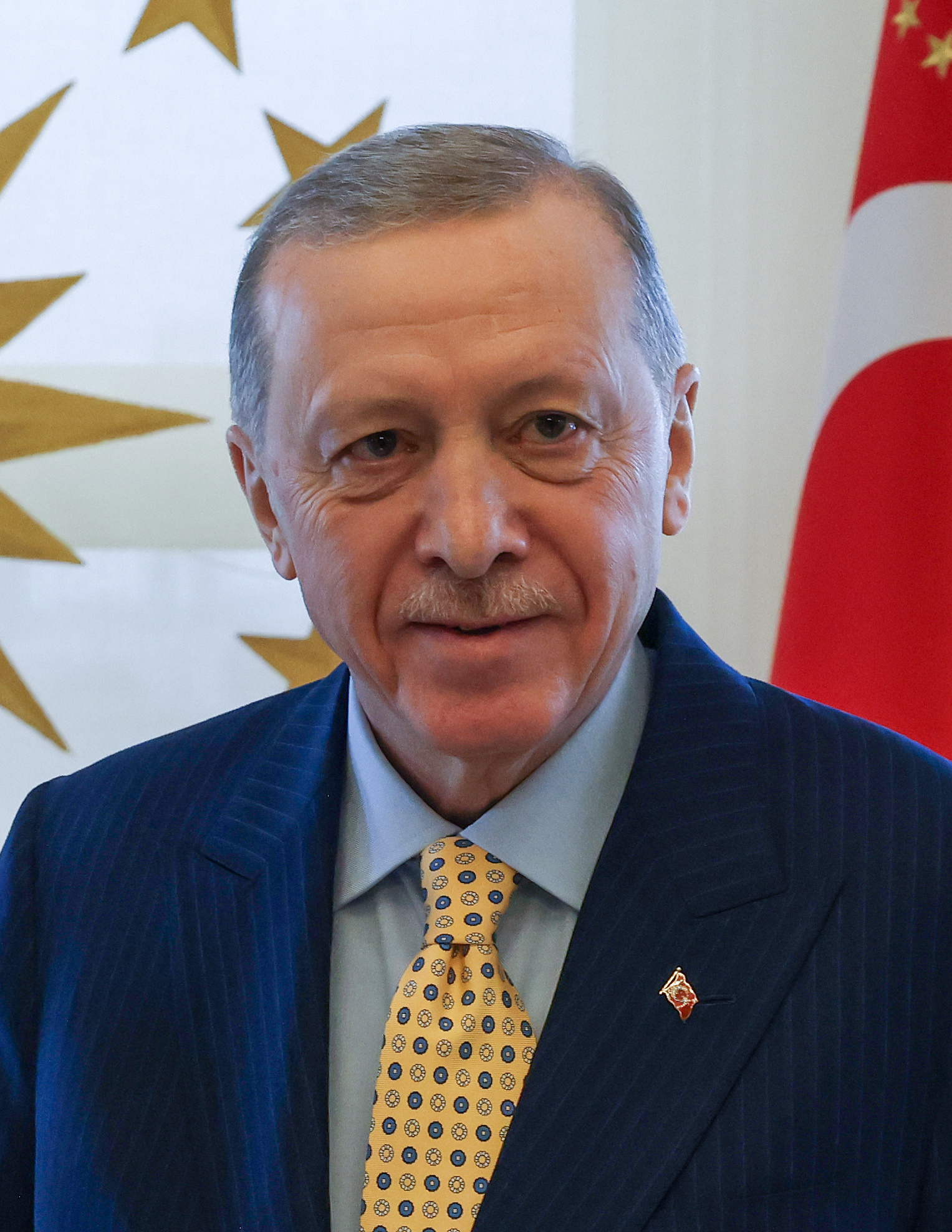
Erdogan Warns Israel Now ‘Threatens Türkiye’, Vows Firm Eastern Med Response
Severity: WARNING
Detected: 2026-06-10T11:17:38.689Z
Summary
Between 10:25 and 11:01 UTC, President Erdogan escalated Ankara’s line on the Israel–Syria–Lebanon conflict, declaring Israeli attacks have reached a level that ‘threatens Türkiye’ and pledging a ‘very clear—and very firm’ response to any challenge to Turkish or Turkish Cypriot rights in the Eastern Mediterranean. The statements widen the conflict’s political perimeter to a NATO state that controls key airspace and sea lanes, raising real risk of Turkish military moves, maritime confrontations, or new constraints on Israeli and allied operations.
Details
President Recep Tayyip Erdogan used an extended set of public remarks on 10 June to recast the Israel–Syria–Lebanon battle space as a direct Turkish security concern, sharply increasing the risk that Ankara will translate rhetoric into concrete military or coercive measures.
At approximately 10:25 UTC and in a cluster of statements around 11:01 UTC, Erdogan asserted that Israeli attacks on Syria and Lebanon have ‘reached a point that threatens not only these two brotherly countries, but now also Türkiye.’ He accused Israel of ‘provocative actions’ in the Mediterranean, warned ‘no one should go looking for adventure’ by aligning with a ‘Zionist network of massacres,’ and stated that if Turkish or Turkish Cypriot rights in the Eastern Mediterranean are infringed, ‘our response will be very clear—and very firm.’ He also said Türkiye’s security ‘begins not only in Hatay, but also in Aleppo, Damascus, and Beirut,’ and branded Israel a ‘hotbed of sedition’ destabilizing Africa and the Mediterranean.
These are political statements, not yet orders of battle. There is no immediate confirmation of new Turkish deployments or rules-of-engagement changes. However, they cross two important thresholds: Erdogan is (1) explicitly tying Turkish national security to front-line areas in Syria and Lebanon, and (2) directly linking Israeli air and maritime activity in the Eastern Mediterranean to Turkish and Turkish Cypriot resource and sovereignty claims.
The first group affected would be civilians and armed actors across northern Syria and southern Lebanon. Any Turkish decision to expand air defense coverage, restrict airspace, or step up cross-border operations would compress already-crowded air corridors used by Israel, Syria, Russia, Iran-linked militias, and coalition assets. Maritime crews and operators in the Eastern Mediterranean—particularly those servicing Israeli, Cypriot, and potential Turkish gas fields, as well as container routes near Cyprus and the Levant coast—face higher headline and miscalculation risk.
Militarily, Ankara has options short of direct clash with Israel: tightening control over Syrian airspace via its proxies and air defense, increasing naval patrols around disputed gas blocks and Northern Cyprus, or backing Lebanese and Syrian actors diplomatically and covertly. Any of these would complicate Israeli planning in Syria and Lebanon and potentially bring Turkish forces and Israeli aircraft or ships into closer, riskier proximity. Erdogan also highlighted Trump’s attendance at the upcoming NATO summit, signaling he intends to internationalize his grievances inside the Alliance.
For markets, this rhetoric injects fresh geopolitical premium into Eastern Mediterranean energy and Turkish risk. Investors will reprice the odds of disruptions to exploration and production around Israel’s Leviathan and Tamar fields and Cypriot blocks, as well as potential maritime incidents or sanctions rhetoric. That supports Brent and gas benchmarks and is mildly bullish for gold as a hedge. Turkish assets—lira, sovereign spreads, and local equities—face headline volatility, particularly if Ankara pairs this stance with additional military outlays or confrontational naval maneuvers. The Israeli shekel could see renewed pressure if traders read Erdogan’s speech as a precursor to diplomatic or economic steps that isolate Israel regionally.
Over the next 24–48 hours, key watch points are: (1) any observable changes in Turkish air and naval posture near Cyprus, northern Syria, or off Lebanon; (2) notices to airmen (NOTAMs) or maritime advisories issued by Türkiye or Israel; (3) follow-on statements by the Israeli government and NATO allies in response to Erdogan’s threats; and (4) indications that Ankara is seeking emergency consultations within NATO or leveraging the upcoming summit to press its Eastern Med claims. A move from rhetoric to concrete restrictions on air or sea access would mark a clear escalation and warrant a higher alert level.
MARKET IMPACT ASSESSMENT: Elevates geopolitical risk premium for Eastern Mediterranean gas (Israel/Cyprus fields), Turkish assets (TRY, Eurobonds, Borsa Istanbul), and regional defense names. If rhetoric converts into military posturing or maritime incidents, expect upside pressure on Brent, support for gold, and risk-off in EM FX with particular focus on TRY and Israeli shekel.
Sources
- OSINT