Reports: Ukrainian Strikes Squeeze Russian Fuel, Forcing Crimea Gas Halt and Rationing
Severity: WARNING
Detected: 2026-06-04T15:13:01.043Z
Summary
From 14:20–15:02 UTC, Russian-installed authorities in occupied Crimea announced a multi‑day halt in gasoline sales as Russian media acknowledged fuel sale limits in at least 15 regions, including Moscow and Leningrad. Parallel reports of Ukrainian drone attacks on fuel trucks in occupied territories, bans on filming tanker routes, and claims of ‘fire control’ over key logistics hubs point to a new phase in the war targeting Russia’s fuel lifelines — with direct consequences for its military tempo and refined product markets.
Details
Between approximately 14:20 and 15:02 UTC on 4 June, open‑source reporting converged on a significant degradation of Russia’s fuel distribution system, driven largely by Ukrainian long‑range strikes.
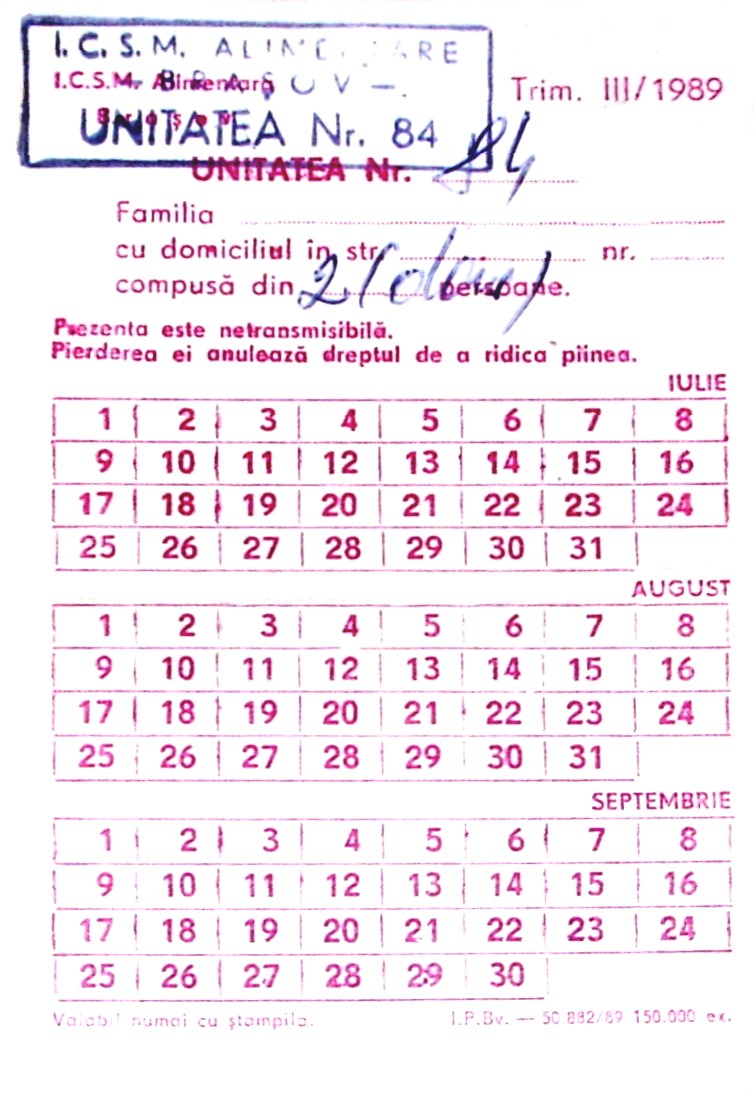
The most concrete move came from occupied Crimea: at 14:40–15:02 UTC (Reports 20, 21), Russian‑installed governor Sergei Aksyonov said gasoline sales across Crimea will be suspended for “several days,” with fuel coupons frozen and not reissued. He cited only a vague “situation that has arisen,” but the timing aligns with prior Ukrainian drone attacks on Russian refineries and Crimea‑linked fuel infrastructure already flagged in earlier alerts.
Russian media, cited in the same reporting window, now acknowledge fuel sale restrictions in at least 15 regions of the Russian Federation, including Moscow and Leningrad oblasts. These include limits on volumes of 92 and 95 octane gasoline per customer.
Additional OSINT from 14:44–15:02 UTC (Reports 18, 19) describes occupation authorities banning the filming or sharing of fuel truck routes in occupied Ukrainian territories, under penalties of 10 years to life imprisonment. This extreme measure is explicitly framed as a response to mounting Ukrainian drone attacks on fuel logistics. Locals in occupied Prymorsk report a Russian fuel truck was struck, and say many drivers are now unwilling to haul fuel due to the perceived lethality of Ukrainian drones, leaving “much of the fuel traffic stalled.”
At the operational level, Ukrainian units are simultaneously expanding their reach. Around 15:02 UTC, the 28th Brigade’s Spalakh drone operators reported that Russian logistics into occupied Horlivka (35–40 km from Ukrainian lines) are now under ‘fire control,’ with drones regularly hitting transport entering the city (Reports 16, 17). While not confirmed by independent imagery in these feeds, the pattern is consistent with Ukraine’s broader strategy of strangling front‑line supply nodes rather than immediately seizing territory.
For civilians in Russia and occupied Ukraine, this shift is already tangible: queues and rationing at filling stations, outright loss of gasoline access in Crimea, and increased physical danger for fuel truck drivers. Public bans on filming tankers, backed by draconian prison terms, also signal heightened fear inside Russian authorities about uncontrolled images of logistical weakness reaching domestic or foreign audiences.
Militarily, large‑scale pressure on fuel logistics constrains Russia’s ability to sustain high‑tempo ground operations and air activity, particularly in southern theaters reliant on long overland supply routes and Crimean depots. If rationing in core regions like Moscow and Leningrad persists beyond a few days, it will indicate that refinery damage, storage losses, or transportation bottlenecks cannot be quickly offset by internal rerouting or imports. A growing risk is that the Kremlin diverts scarce refined products from civilian markets to the military, amplifying domestic discontent.
For markets, this development intersects with broader oil risk. While Russia’s upstream crude output has not been directly targeted in these specific reports, refined product availability for export could tighten if Moscow prioritizes internal needs or struggles to move volumes safely through contested territories. Traders will watch for any fall in Russian gasoline/diesel exports through Black Sea and Baltic ports, as well as changes in official export guidance. Insurance premiums for road, rail, and maritime fuel movements touching occupied territories or nearby Russian ports may rise, reflecting the perceived drone threat.
In the next 24–48 hours, key indicators will be: (1) whether Crimea’s announced ‘several days’ gasoline halt is extended or quietly relaxed; (2) any visible spread of rationing to additional Russian regions beyond the 15 already cited; (3) confirmation of disrupted rail or depot capacity feeding southern fronts; and (4) official Russian or Ukrainian statements hinting at a sustained campaign against fuel infrastructure. A continued trend will force Moscow into hard trade‑offs between sustaining battlefield operations, protecting export revenues, and preserving minimal normalcy in core cities.
MARKET IMPACT ASSESSMENT: Higher geopolitical risk premium for refined products and Russian export logistics; marginal bullish pressure on diesel/gasoline cracks and potentially Brent if traders extrapolate to Russian export reliability. Risk repricing for insurers and shippers operating near occupied Ukrainian ports and in the Black Sea; broader sanctions and secondary enforcement risk may also be reassessed.
Sources
- OSINT