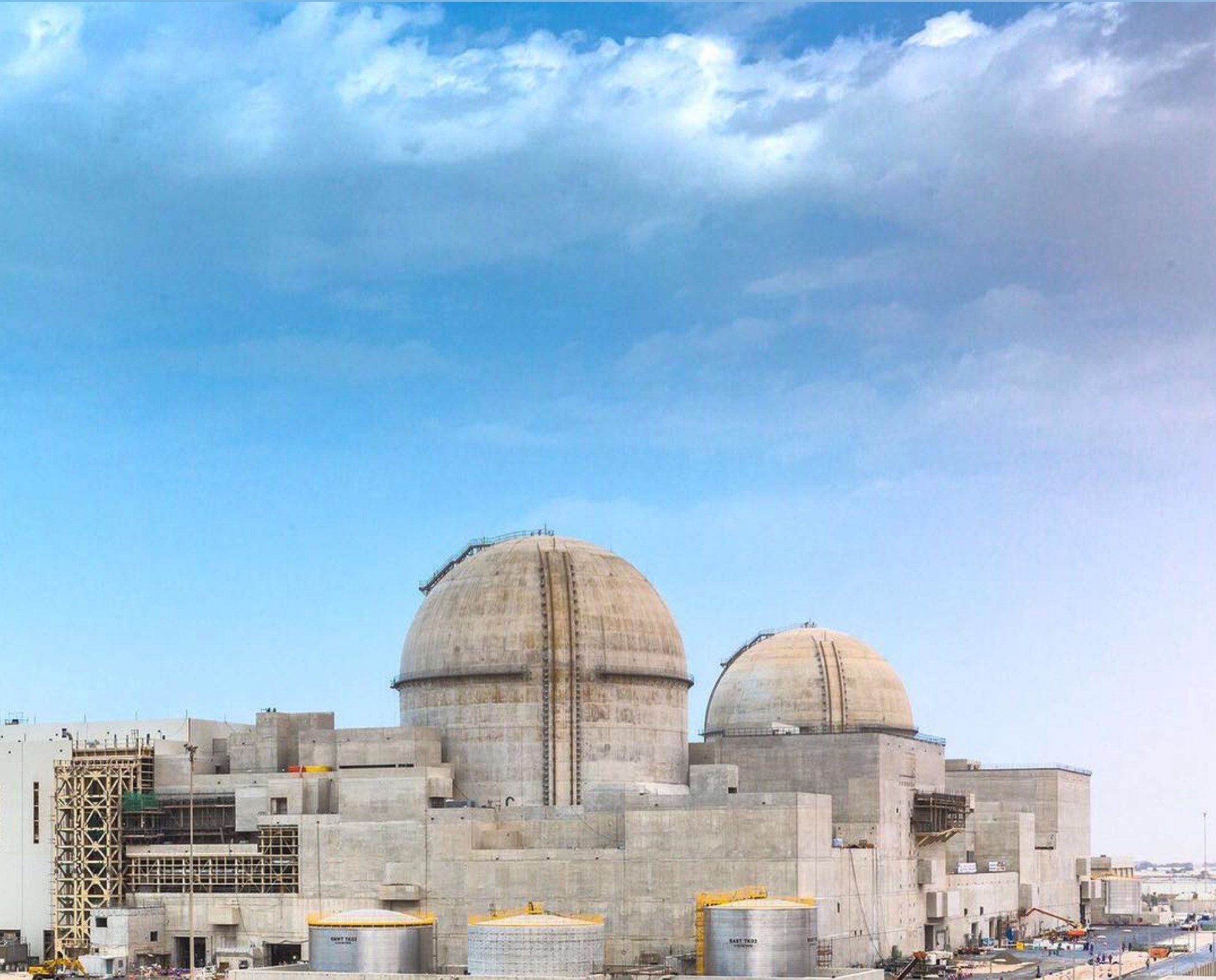
IAEA Chief: Barakah Drone Strike Poses Graver Nuclear Risk Than Zaporizhzhia
Severity: WARNING
Detected: 2026-06-03T15:01:47.883Z
Summary
IAEA Director General Rafael Grossi has warned that the recent drone attack on the UAE’s Barakah nuclear power plant was potentially more dangerous than the ongoing crisis around Ukraine’s Zaporizhzhia facility. The comparison reclassifies the incident from a localized security breach to a systemic risk for Gulf energy infrastructure, with implications for nuclear plant security standards, war-planning calculus, insurance exposure, and investor perception of UAE stability.
Details
IAEA Director General Rafael Grossi said the drone attack on the Barakah nuclear power plant in the United Arab Emirates was potentially more dangerous than the situation at Ukraine’s Zaporizhzhia complex, according to reports filed at 14:21 UTC on 3 June. By explicitly ranking Barakah’s targeting above one of the world’s most scrutinized nuclear flashpoints, Grossi is signaling to governments and markets that the Middle East conflict environment has crossed a new line: modern, operational nuclear power stations are now active targets.
Confirmed reporting indicates Grossi’s comments focused on Barakah’s reactors, which are under full power and located in a densely integrated Gulf energy corridor. While details of the damage and perpetrators from the drone attack remain limited in open sources, his statement implies that even a near‑miss or low‑impact strike carried an elevated risk profile due to the plant’s design, operating status, and regional geography. The UAE has not reported a radiological release, and there is no indication of reactor compromise at this time, but the IAEA chief’s language suggests that from a safety and escalation standpoint, Barakah is being treated as a red‑line asset.
For people on the ground in the UAE and across the Gulf, the shift is stark: civilian populations, expatriate workers, and critical infrastructure crews are now directly exposed to the consequences of precision drone warfare intersecting with nuclear power. For governments, the incident tests the credibility of security guarantees, air and missile defense systems, and non‑proliferation norms in a region where several states either operate or plan to operate nuclear reactors. Insurers and reinsurers face a reassessment of nuclear and critical infrastructure war‑risk exposures in a high‑value hydrocarbon hub.
From a military and security standpoint, the message to regional actors is that nuclear facilities are no longer off‑limits in proxy or direct confrontation. That raises the threshold for defensive investments—more layered air defense, electronic warfare, and hardening of nuclear and energy facilities across the UAE, Saudi Arabia, and possibly other Gulf states. It also complicates deterrence: any future strike that causes structural damage to Barakah or similar sites could trigger disproportionate retaliation, dragging external powers with basing rights or defense commitments in the UAE into deeper involvement.
Markets will read Grossi’s warning as an upgrade in tail‑risk rather than an immediate supply shock. Oil and gas flows from the UAE remain uninterrupted, but the perception of vulnerability in a core OPEC producer increases the Gulf risk premium embedded in Brent, Dubai crude benchmarks, and regional LNG contracts. UAE sovereign risk and GCC CDS may see modest widening as investors reprice the probability of high‑impact security incidents. Nuclear technology vendors and security integrators could benefit from accelerated Gulf demand for advanced reactor protection, while insurers may push premiums higher for projects near Barakah and similar assets.
In the next 24–48 hours, key watch points include: any UAE or IAEA technical update on the extent of damage at Barakah; signals of attribution and potential retaliatory language from Abu Dhabi or its security partners; visible moves by other Gulf states to reinforce protection of nuclear and major energy infrastructure; and any adjustments in Western travel advisories, insurance underwriting, or defense cooperation announcements tied to nuclear plant security. A formal IAEA board discussion or emergency visit to Barakah would further elevate the strategic and market significance.
MARKET IMPACT ASSESSMENT: Comments heighten nuclear safety and geopolitical risk premia in the Gulf, marginally supportive for oil and regional CDS; may influence nuclear-related equities, reinsurance pricing, and risk assessments for critical infrastructure in UAE and neighboring producers.
Sources
- OSINT