Iran Claims U.S. Drone Downed as Fresh Russia Refinery Blast Deepens Oil War Risk
Severity: WARNING
Detected: 2026-05-31T01:21:07.807Z
Summary
Iran’s Revolutionary Guard is claiming a U.S. drone was shot down over Iranian territorial waters around 00:59–01:00 UTC, while new posts show another major explosion at Russia’s Saratov refinery. Together with public warnings from Exxon and Chevron that the Iran war could push crude toward $160, these moves tighten geopolitical risk around U.S.–Iran confrontation and Russian refining output, with direct consequences for global energy prices and Gulf shipping.
Details
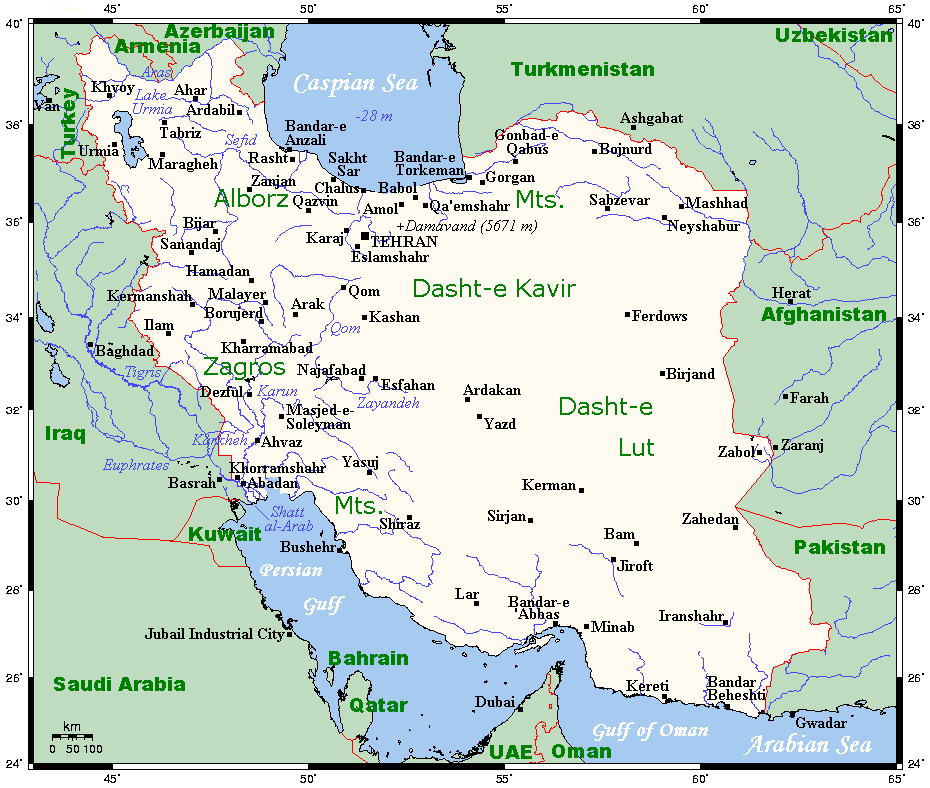
Iranian state-linked outlet Tasnim reported at 00:59:58 UTC that the Islamic Revolutionary Guard Corps (IRGC) shot down a U.S. drone over Iranian territorial waters. The claim, framed explicitly as occurring in Iran’s own waters, points to a kinetic engagement between Iranian forces and U.S. assets in a zone that Tehran considers sovereign, sharpening the legal and political stakes for any U.S. response.
The drone downing report follows an already-noted pattern of Iranian attacks on U.S. platforms, but the timing and claimed location matter: an engagement in territorial waters increases Tehran’s argument that it is acting defensively and complicates U.S. options between de‑escalation and retaliatory signaling. If confirmed, this is a fresh data point in an escalation ladder that could see Iranian forces more aggressively challenge U.S. ISR and possibly manned aircraft near the Strait of Hormuz and adjacent Gulf airspace.
Almost simultaneously, at 01:00:49 UTC, new imagery/posts described a “big kaboom” at Russia’s Saratov refinery. While details remain sparse, this follows earlier reporting of a significant incident at the same facility. Saratov is an important node in Russia’s refining network; repeated or severe disruption would choke domestic supply and reduce exportable refined products, especially diesel and gasoline, at a time when global markets are already tight due to the Iran war and sanctions constraints.
On the human side, any U.S.–Iran clash over what Iran asserts is its territorial sea raises risk for nearby civilian shipping and commercial aviation routes crisscrossing the Gulf. Crews on tankers, LNG carriers, and bulkers transiting Hormuz would be exposed to tighter military patrols, more aggressive boarding or inspection activity, and higher insurance premia. In Russia, another major refinery blast threatens local workers’ safety and nearby communities with fire, pollution, and potential evacuations, while also signaling that industrial and energy infrastructure remains a high‑value target in the ongoing Russia–Ukraine confrontation.
Militarily, an Iranian shoot‑down over territorial waters suggests a willingness to enforce its airspace and maritime boundary more assertively, potentially using more capable air defense systems or anti‑air missiles. That decision raises the probability of miscalculation with U.S. and allied forces and could prompt changes to U.S. drone flight profiles, rules of engagement, and the escort posture for high‑value assets in and around Hormuz. For Russia, repeated strikes or accidents at large refineries force Moscow to divert air defenses and resources from the front to the industrial hinterland, stretching an already pressured security apparatus.
Energy and financial markets are directly in the crosshairs. Exxon and Chevron have gone on record warning that an Iran war environment could push crude toward $160 per barrel as stockpiles fall to “really low levels”. Today’s combination of an alleged U.S. drone shoot‑down and another large refinery blast in Russia will reinforce the narrative of a structurally fragile supply chain. Expect near‑term upside in Brent and WTI futures, widening backwardation, and increased volatility in crack spreads. Energy‑importing currencies (EUR, JPY, INR, TRY) could weaken on higher oil import costs, while petrocurrencies (RUB, NOK, CAD, some Gulf FX) may see near‑term support despite Russia‑specific infrastructure risk.
In the next 24–48 hours, key watchpoints include: U.S. Defense Department confirmation or denial of the drone loss and its precise location; any retaliatory or follow‑on engagements in the Gulf; maritime advisories from the U.S., UK, and insurers regarding Hormuz routing; technical assessments of damage and outage duration at Saratov; and price action in front‑month crude and major oil‑service equities. A shift from isolated strikes to persistent pressure on U.S. assets or Russian refining capacity would signal a more durable, war‑driven restructuring of global energy flows rather than a transient shock.
MARKET IMPACT ASSESSMENT: The reported U.S. drone shoot-down over Iranian waters tightens the risk premium on Gulf shipping, raises odds of further U.S.–Iran confrontation, and supports higher crude, gold, and safe‑haven FX. A new blast at Russia’s Saratov refinery reinforces expectations of constrained Russian refined product exports. Public warnings by Exxon and Chevron about possible $160 oil under war conditions could accelerate bullish positioning in energy futures and pressure energy‑importing currencies and equities.
Sources
- OSINT