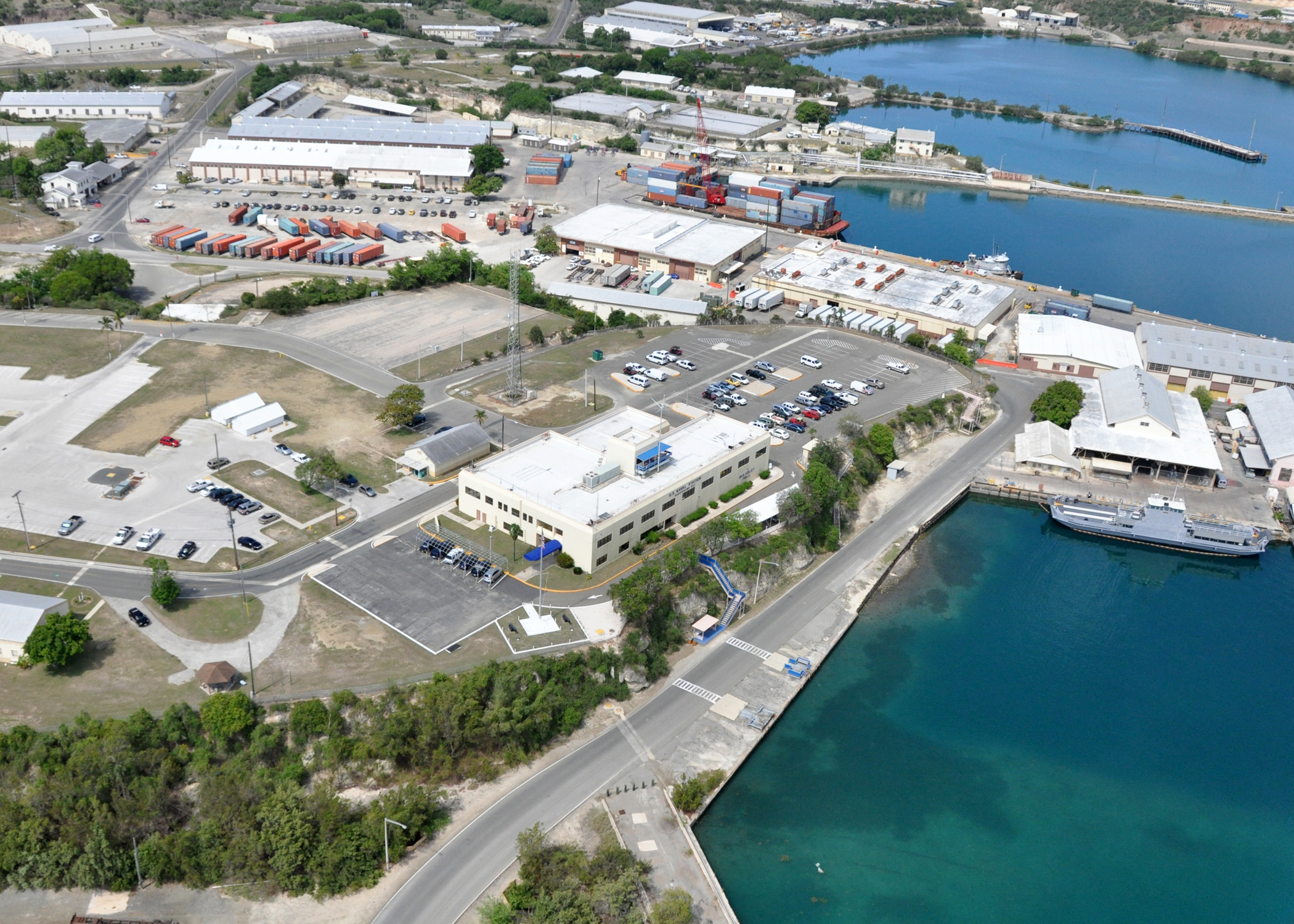
Reports: US SOUTHCOM Chief Holds Rare Military Talks With Top Cuban Generals at Gitmo
Severity: WARNING
Detected: 2026-05-29T22:32:31.636Z
Summary
A brief but high-level meeting on Friday between the new US Southern Command chief and senior Cuban generals at the Guantánamo perimeter points to a potential reset in how Washington and Havana manage one of the world’s most politically fraught bases. Any shift in rules, cooperation, or posture there will shape US leverage in the Caribbean, Cuban room for maneuver with Russia and China, and the risk profile for regional shipping and energy assets.
Details
The commander of US Southern Command, General Francis L. Donovan, met today, 29 May 2026, with senior Cuban military leadership at the perimeter of Naval Base Guantánamo, according to open-source reporting at 22:29 UTC. Cuban attendees reportedly included General Roberto Legrá Sotolongo, first vice minister of the Cuban General Staff, and other high-ranking officers. The encounter is described as a short exchange focused on unspecified 'matters' related to the base.
While there is no public readout yet from Washington or Havana, the optics are notable: a newly appointed four-star combatant commander holding face-to-face talks with top Cuban brass at a facility that has symbolized US–Cuba hostility for decades. Routine deconfliction occurs at working levels, but visible engagements at this rank are rare and usually tied to deliberate policy signaling or crisis management.
For people on both sides of the fence line, any adjustment in how the base is run or secured touches immediate realities: migrant handling, maritime interdictions, and the risk of miscalculation between armed forces operating in close proximity. For Cubans more broadly, even small openings in US–Cuba military or security dialogue can presage changes in the wider relationship that affect remittances, travel, and access to goods in an economy under severe strain.
From a security perspective, this meeting comes as Cuba deepens ties with Russia and China, including reported intelligence and logistics cooperation in the Caribbean basin. SOUTHCOM’s leadership will be acutely focused on Russian naval deployments, Chinese surveillance platforms, and transnational criminal flows (drugs, migration, and smuggling) that move through waters abutting Guantánamo. A higher-confidence communication channel with the Cuban General Staff could reduce accident risks and give Washington more insight into third-country military activity on the island—or, conversely, could harden Cuban demands regarding US operations.
Markets will not move on this event alone, but the signaling matters. A pathway to reduced friction and, eventually, some easing of US restrictions would be supportive for Caribbean tourism, port operators, and regional airlines, and would marginally improve Cuban sovereign risk perceptions even under sanctions. A more adversarial turn, especially if linked to increased Russian or Chinese deployments, would add incremental geopolitical risk premia to Gulf and US East Coast energy and shipping, and bolster the case for sustained US defense spending in maritime surveillance and interdiction.
Over the next 24–48 hours, watch for: (1) any official Pentagon or Cuban Defense Ministry statement characterizing the meeting’s purpose; (2) follow-on diplomatic contacts in Washington or Havana hinting at broader talks; (3) Russian or Chinese media spin, which will indicate how Moscow and Beijing read the move; and (4) signals from US Congress on Cuba policy—either efforts to codify sanctions or, alternatively, calls to explore engagement. Any indication that the meeting touched on migration management, base access, or third-country military presence would materially raise its strategic weight.
MARKET IMPACT ASSESSMENT: Near-term market impact is limited unless the talks foreshadow a shift in US sanctions on Cuba or expanded US/Cuban security cooperation. Any future easing of US restrictions could modestly affect Caribbean tourism, shipping, and regional credit risk, while signs of hardening military postures would marginally support defense equities and safe-haven flows. For now, watch US statements on Cuba policy and Russian/Chinese military presence in the region for cues.
Sources
- OSINT