Ukrainian strike burns Black Sea Fleet aviation HQ in Sevastopol
Severity: WARNING
Detected: 2026-05-27T10:23:18.908Z
Summary
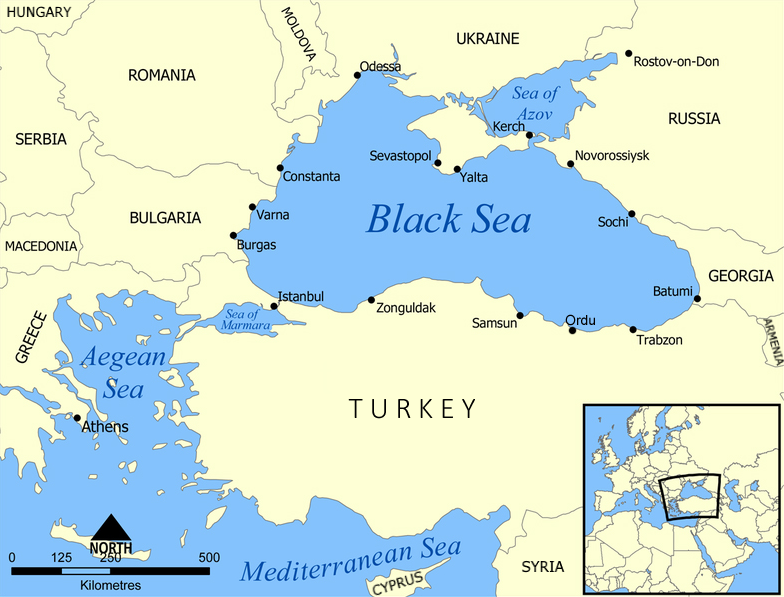
At approximately 09:59 UTC, local channels report that a Russian Black Sea Fleet aviation headquarters on Hoholya Street in occupied Sevastopol was almost completely burned out following a strike, with Russian forces sealing the area and deploying armored vehicles. This follows earlier strikes on the Fleet’s main headquarters and indicates a sustained Ukrainian campaign to degrade Russian naval air command and control in Crimea, with implications for Black Sea security and commercial shipping risk.
Details
Around 09:59 UTC on 27 May 2026, multiple local sources in occupied Sevastopol reported that a Russian Black Sea Fleet aviation headquarters on Hoholya Street was hit in a strike and is now ‘almost completely burned out.’ Follow-on reporting indicates Russian troops rapidly cordoned off the area and deployed armored vehicles, suggesting concern about secondary threats, intelligence collection, or further strikes. There are no confirmed casualty figures yet, but the scale of the fire damage described implies significant disruption to local command-and-control (C2), communications, and planning functions for Fleet aviation units.
This facility appears to be a key node for Russian naval aviation in the Black Sea, subordinate to the Black Sea Fleet command and ultimately to Russia’s Southern Military District. While Ukraine has previously struck the main Black Sea Fleet headquarters and associated infrastructure in Sevastopol—events we have already alerted on—this report points to a targeted follow-on campaign against specific aviation C2 and support elements. The operational chain likely involves Ukrainian GUR/HUR intelligence support and long-range strike assets (cruise missiles, drones, or a combination), though the exact weapon system has not been identified in this report.
Militarily, the immediate implication is further degradation of Russia’s ability to coordinate naval air operations from Crimea, including maritime patrols, anti-ship missions, and air cover for Black Sea naval units. Damage to an aviation HQ can slow sortie generation, disrupt maintenance and logistics planning, and complicate air tasking orders. In the near term (24–72 hours), Russian forces may temporarily reduce or decentralize aviation operations around Sevastopol while relocating staff and rebuilding C2 links. Expect heightened Russian air defenses, increased electronic warfare activity, and potential retaliatory strikes on Ukrainian infrastructure.
From a market and economic perspective, sustained Ukrainian reach into Sevastopol reinforces the perception that Crimea and adjacent Black Sea waters remain a contested zone with elevated operational risk for naval and, by extension, commercial activity. While there is no immediate report of shipping being targeted in this incident, traders will factor in cumulative risk to Russian naval protection of energy and grain routes. This is marginally supportive for Black Sea-origin grain risk premia and mildly bullish for oil and products via higher geopolitical risk, though the move is likely incremental rather than shock-level. Defense and aerospace equities remain underpinned by the demonstrated relevance of long-range precision strike and ISR integration.
Over the next 24–48 hours, watch for: (1) Russian MOD confirmation or denial and any imagery of the damage; (2) possible Russian retaliatory salvos against Ukrainian cities or infrastructure—especially ports or airfields; (3) any change in Russian naval posture in the Black Sea, including movement of high-value units away from Sevastopol; and (4) insurance or shipping advisories related to Crimean waters. If this strike is followed by additional hits on command facilities, radar sites, or airbases in Crimea, it would mark a sustained Ukrainian campaign to erode Russian control of the northwestern Black Sea, with correspondingly higher medium-term risk premia in regional commodities and transport.
MARKET IMPACT ASSESSMENT: Incremental rise in perceived Black Sea and regional maritime risk; marginally supportive for oil and grain prices due to elevated threat environment for Russian naval assets and infrastructure, but unlikely to cause a major immediate move. Defense equities remain supported by evidence of effective long-range strike use.
Sources
- OSINT