Hezbollah’s Largest Drone Strike; Brent Surges Above $100 on US–Iran Risk
Severity: WARNING
Detected: 2026-05-26T14:19:36.410Z
Summary
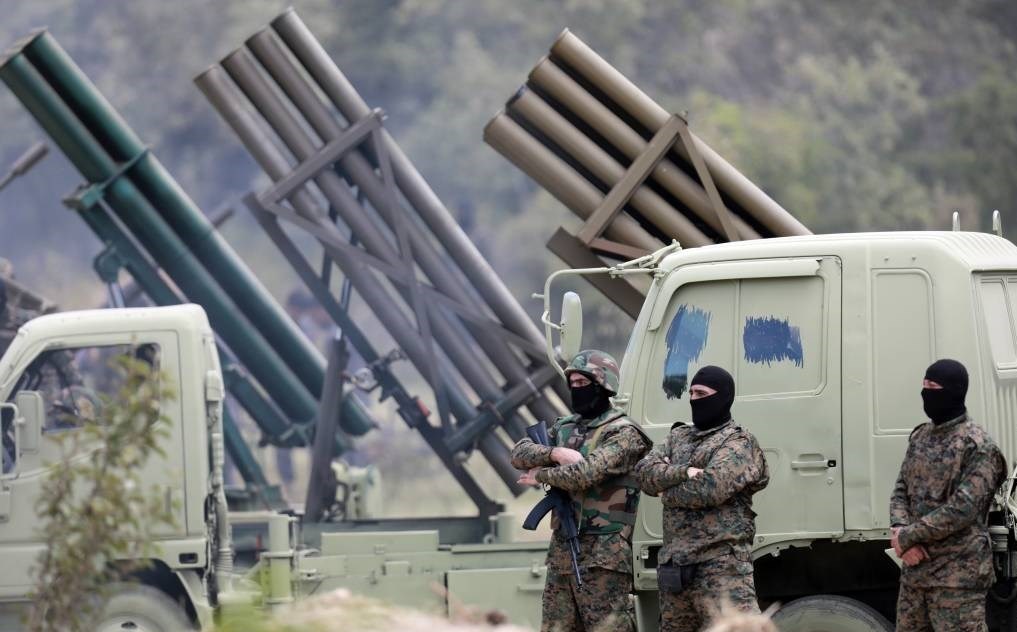
Around 13:59–14:01 UTC, Hezbollah launched its largest-ever drone attack against northern Israel amid already elevated cross-border clashes. Simultaneously, Brent crude pushed above $100/barrel with an additional $4 jump attributed to rising US military action in/against Iran and uncertainty over ongoing peace talks. The combination signals a significant escalation risk in the Levant and Persian Gulf, with direct implications for regional security and global energy markets.
Details
- What happened and confirmed details
At approximately 13:59 UTC on 26 May 2026, reports indicate that Hezbollah has launched its largest drone attack to date against targets in northern Israel. While exact numbers, target sets, and damage assessments are not yet specified, the characterization as the “largest ever” implies a substantial swarm or coordinated salvo, exceeding prior Hezbollah UAV operations. This comes against the backdrop of existing cross-border fire and heightened Israel–Hezbollah tensions.
In parallel, energy-market feeds from 13:53–14:01 UTC report that Brent crude rose to an intraday high above $100/barrel, followed by an additional move of about $4/barrel as of 13:58 UTC. The $4 spike is explicitly linked to increasing US military actions in/against Iran and the resulting uncertainty over prospective US–Iran peace arrangements. Additional reporting at 13:37 UTC notes European equities softening on US–Iran peace-talk uncertainty, reinforcing that markets see a rising probability of conflict disruption rather than de-escalation.
- Who is involved and chain of command
On the military side, the attack is attributed to Hezbollah, a Lebanese Iran-aligned non-state actor with a structured military wing and political leadership integrated into Lebanon’s political system. Operationally, major drone salvos would be controlled by Hezbollah’s military command in southern Lebanon and the Jihad Council, with strategic guidance from Secretary-General Hassan Nasrallah and close coordination with Iran’s Islamic Revolutionary Guard Corps–Quds Force.
The opposing side is Israel, with northern command and air defense units (Iron Dome, David’s Sling, potentially Arrow and other counter-UAV systems) responsible for defending the Galilee and Golan regions. Any response will be shaped by the Israeli war cabinet and IDF General Staff.
On the economic and geopolitical side, Brent price action is being driven by perceived US–Iran military escalation. Reference to “US military actions in Iran” suggests recent or ongoing strikes or operations inside Iranian territory or against Iranian assets, and Iran has separately vowed a response after what it calls a US violation of a truce. This puts US Central Command (CENTCOM), the Iranian leadership (Supreme Leader’s office, IRGC), and regional partners (Gulf states, Israel) at the center of the evolving risk.
- Immediate military and security implications
The largest-ever Hezbollah drone attack increases the probability of a wider northern front for Israel. A sizable UAV swarm can have several objectives: saturating Israeli air defenses, probing for gaps around strategic installations (air bases, radar, energy infrastructure), and signaling Iran’s ability to escalate beyond Gaza and Syria.
Israel is likely to respond with intensified airstrikes into southern Lebanon and potentially deeper into Lebanese territory or Syrian linkages, increasing the risk of mass-casualty events and damage to critical infrastructure. A higher tempo of drone and missile exchanges also raises accidental or deliberate strikes on civilian or dual-use infrastructure, including Mediterranean energy assets.
Simultaneously, reports of increased US military action in Iran and Tehran’s promise of retaliation after an alleged truce violation suggest US–Iran friction is moving into a more kinetic phase. This raises immediate risks of:
- Additional attacks on US forces and bases in Iraq, Syria, or the Gulf.
- More tanker incidents or harassment in the Strait of Hormuz and Gulf of Oman.
- Iranian or proxy missile/drone strikes on regional energy facilities.
- Market and economic impact
Oil and energy: Brent’s move above $100/barrel, with an additional $4 intraday spike tied specifically to US–Iran military actions, is a clear signal of a risk premium building in crude. Markets are pricing higher odds of disruptions to Iranian exports, shipping through the Strait of Hormuz, or strikes on Gulf energy infrastructure. This will benefit energy producers and oilfield service equities but weigh on fuel-intensive sectors (airlines, shipping, logistics) and global growth-sensitive assets.
Rates, FX, and inflation: A sustained crude move above $100 complicates disinflation narratives in the US and Europe, likely pushing yields on the long end modestly higher and softening expectations for near-term rate cuts by major central banks. Oil-importing EM currencies are vulnerable; safe-haven flows may favor USD, CHF, JPY, and gold. European bourses were already edging lower on US–Iran uncertainty around 13:37 UTC; further military incidents will extend risk-off sentiment.
Regional assets: Israeli equities and the shekel are at heightened risk from the Hezbollah escalation; Lebanese sovereign risk and banking system stability could come under greater pressure if Israel responds with extensive strikes. Gulf equities and sovereign CDS spreads may widen on fears of Iranian retaliation against regional infrastructure and shipping.
- Likely next 24–48 hour developments
-
Military: Israel will conduct damage assessment and public messaging on the Hezbollah drone attack and likely carry out retaliatory air operations in southern Lebanon. The scale of response will determine whether this is contained escalation or a move toward a broader northern war. Hezbollah may follow with additional salvoes if Israel strikes high-value targets or causes significant casualties.
-
US–Iran theater: Expect additional statements from Washington and Tehran. Iran may attempt calibrated retaliation—via drones, missiles, or proxy forces—against US bases, shipping, or regional allies, while avoiding actions that cross clear US red lines. Any incident in or near the Strait of Hormuz will be closely watched for immediate supply disruption risk.
-
Markets: Energy traders will focus on any confirmation of damage to infrastructure or shipping constraints. A clear sign of tanker harassment or port disruption could push Brent further above $100 and trigger broader risk-off moves. Conversely, credible de-escalatory signals (renewed commitments to talks, back-channel contacts) could trim some of the risk premium but are unlikely to fully reverse it near term.
This is a significant inflection in both the Levant and Gulf theaters with direct global energy and macro-financial implications and warrants close monitoring for follow-on strikes, maritime incidents, and policy responses.
MARKET IMPACT ASSESSMENT: Hezbollah’s mass drone strike raises risk premia on Israeli assets and regional credit, and heightens tail-risk of broader regional war, which supports safe havens (gold, USD, CHF) and weighs on EM FX with Middle East exposure. Brent above $100 and a fresh $4 spike linked to US–Iran tensions point to sustained upside pressure on crude benchmarks, energy equities, and inflation expectations, potentially pressuring global equities and rate-cut expectations.
Sources
- OSINT