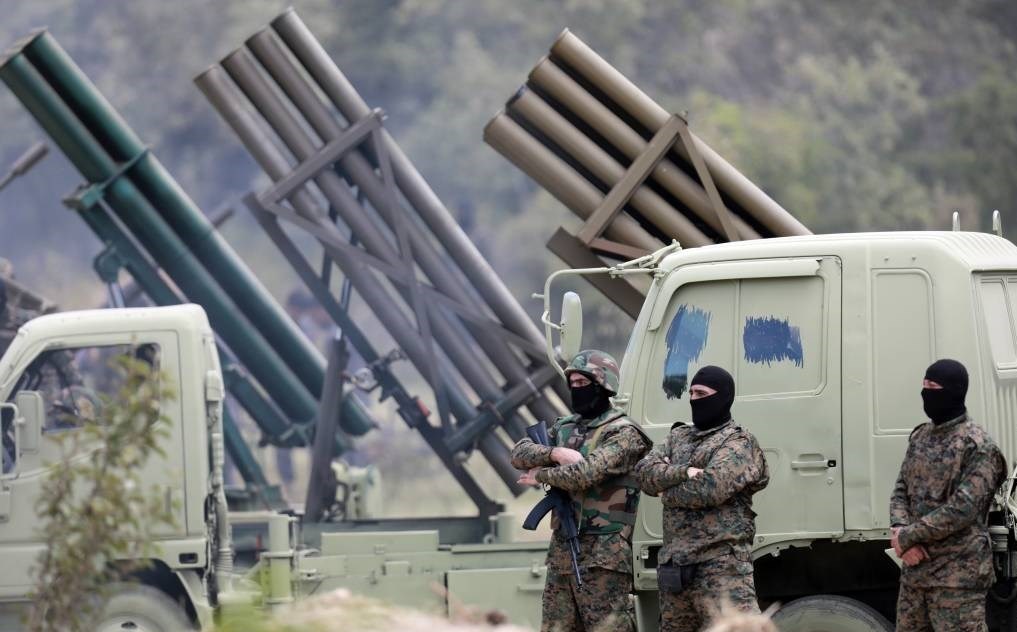
Hezbollah FPV Drones Hit Multiple IDF Armored Targets in South Lebanon
Severity: WARNING
Detected: 2026-05-25T05:49:21.430Z
Summary
Around 05:32 UTC on 25 May 2026, Hezbollah released footage of a wave of FPV drone strikes on Israeli armor, communications, and support vehicles across several towns in southern Lebanon, as IDF ground operations pushed past the ‘Yellow Line’. The breadth of targets and apparent effectiveness underscore a rising tempo and sophistication of Hezbollah drone warfare, increasing the risk of a wider northern front confrontation with Israel.
Details
Between approximately 05:30–05:32 UTC on 25 May 2026, multiple reports indicated that Hezbollah released video evidence of an extensive series of FPV (first‑person‑view) drone strikes against Israel Defense Forces (IDF) assets in southern Lebanon.
Confirmed from the reports:
- Location spread: strikes in/near Haddatha, Taybeh, Deir Seryan, and Rchaf, all in southern Lebanon.
- Target set:
- A Namer armored personnel carrier in Haddatha.
- A Namer APC near Deir Seryan.
- A GRX‑8000 communications vehicle in Taybeh.
- A Merkava tank in Taybeh.
- At Rchaf, multiple FPV strikes reportedly hit 2 Merkava tanks, 2 military jeeps, 2 claimed IDF positions, 2 military fuel trucks, a D9 military bulldozer, and a communications antenna.
- Context: The posts state that the IDF recently conducted a large‑scale ground operation into Haddatha, beyond the ‘Yellow Line’ (the de facto boundary), with clashes against Hezbollah units. Hezbollah indicates that many Israeli soldiers withdrew from the targeted areas after the drone attacks.
This is not the first use of drones by Hezbollah, but the combination of: (1) multiple locations in one operational window, (2) concentration on high‑value armored and C2/communications assets, and (3) inclusion of fuel trucks and a communications antenna, marks an escalation in both scale and targeting sophistication. It suggests a deliberate campaign to degrade IDF mobility, logistics, and battlefield communications near the border.
Immediate security implications include elevated risk of IDF retaliation strikes deeper into Lebanon and potential expansion of ground operations to suppress Hezbollah drone launch cells. The demonstrated vulnerability of heavy armor and support vehicles to FPV drones may compel Israeli tactical adjustments, including increased EW coverage, air defense deployment forward, and more restrictive ground maneuver. For Hezbollah, this footage serves both as operational messaging and deterrence, showcasing their ability to impose costs on IDF incursions.
From a markets perspective, this development incrementally raises the probability of a broader northern front opening alongside any Gaza or regional tensions. While not on the scale of a Hormuz closure or direct Iran–Israel clash, investors could modestly increase risk premia on Middle East assets: Brent and WTI may see mild support, and gold could benefit from a marginal uptick in geopolitical hedging. Israeli equities, especially in tourism, airlines, and domestic services, remain exposed to headline risk and potential reserve call‑ups, while global defense stocks may gain on signs of intensifying high‑intensity, drone‑heavy conflict. Over the next 24–48 hours, watch for IDF public messaging, any large retaliatory air campaign in Lebanon, and whether Hezbollah follows with more attacks on strategic infrastructure or deeper‑rear IDF bases, which would further elevate escalation risk.
MARKET IMPACT ASSESSMENT: In the near term, this escalation on the Israel–Lebanon front marginally raises regional conflict risk premia, supportive of oil and gold, though impact should be modest versus larger drivers like Hormuz developments. Israeli and regional equities (especially defense, airlines, tourism) could see additional volatility; any perception of slide toward full-scale northern front conflict would be bullish defense stocks and bearish for EM debt in the region.
Sources
- OSINT