Trump Delays Iran Strike as UAE Probes Drone Hit Near Nuclear Plant
Severity: WARNING
Detected: 2026-05-19T18:07:36.279Z
Summary
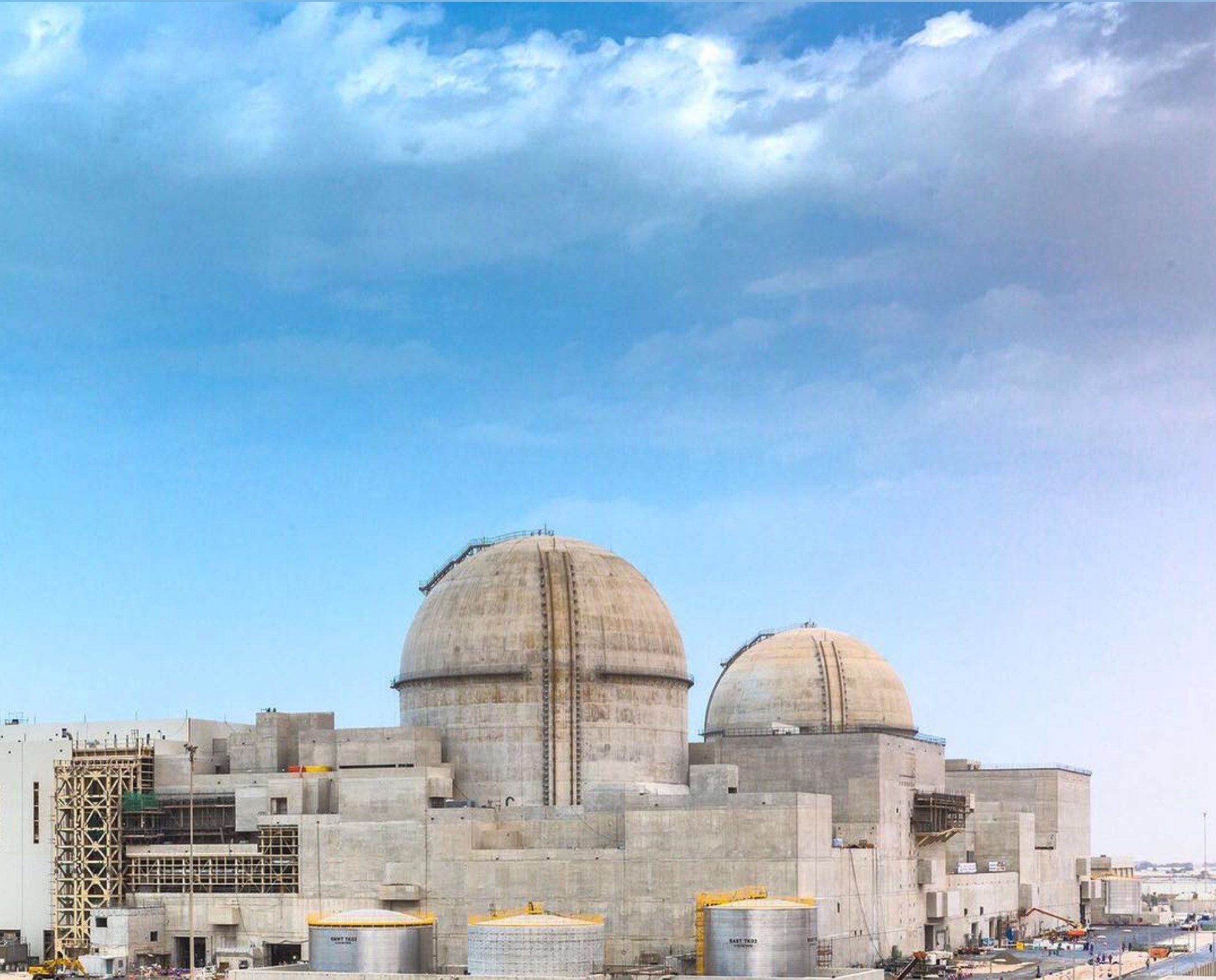
Around 17:49–18:05 UTC, the UAE said drones that recently struck a power generator near the Barakah nuclear plant originated from Iraq and reported intercepting six more drones in the last 48 hours, underscoring a new cross-border threat vector against Gulf energy and nuclear infrastructure. Simultaneously, President Trump announced a postponement of a planned strike on Iran, even as VP Vance stated the US is 'locked and loaded' and seeking a reset of the 47‑year Iran relationship. Parallel Reuters-based reporting that China secretly trained about 200 Russian troops in late 2025 on drones, EW, and combined arms adds evidence of deepening China–Russia operational cooperation in the Ukraine war.
Details
Between 17:49 and 18:05 UTC on 19 May 2026, several developments shifted key geopolitical and market risk trajectories.
First, Emirati authorities stated that their investigation shows the drones which struck a power generator near the Barakah Nuclear Power Plant originated from Iraq. They also claim to have intercepted an additional six drones over the past 48 hours. While Barakah’s reactors were not hit, the targeting of a generator associated with a nuclear facility in the UAE from launch points in Iraq represents a notable cross‑border escalation and an expansion of the regional drone threat envelope. It implies either Iraqi-based militias or proxy actors are willing and able to target critical Emirati infrastructure, potentially under an Iran-aligned umbrella, though attribution beyond “from Iraq” is not yet specified.
Second, President Trump has publicly stated he will postpone a planned military strike on Iran after requests from Middle Eastern leaders, with oil prices reacting lower on the headline. However, Vice President JD Vance, in comments around 18:02 UTC, emphasized that the United States is “locked and loaded” on Iran while seeking to reset a 47-year relationship. Vance underlined that Washington will not accept an Iranian nuclear weapon and warned of a regional nuclear arms race if Iran crosses the threshold. He also denied reports that Russia would take possession of enriched Iranian uranium. Israeli media (Kan News) report that the US and Israel are fully coordinated and prepared for a potential renewed campaign against Iran, with Israel on extremely high alert.
Collectively, this points to a short-term de-escalation in immediate kinetic risk (strike postponed) but very high readiness and a compressed decision window. The posture supports rapid re-escalation if diplomacy fails or if Iran or proxies undertake preemptive or retaliatory moves.
Third, Reuters-based reports (confirmed in both English and Ukrainian-language reposts around 18:01–18:03 UTC) indicate that China secretly trained about 200 Russian troops in late 2025 under a bilateral agreement signed in Beijing on 2 July 2025. Training covered strike drones, FPV, counter‑UAV systems, electronic warfare, army aviation, armored infantry tactics, explosives, demining, and combined-arms combat. Some trainees have since been identified as Russian drone operators in occupied Crimea and Zaporizhzhia. This is material evidence that Chinese support to Russia has moved beyond equipment and rhetoric into structured, state-backed combat training with direct relevance to current operations in Ukraine.
Fourth, a report at 18:00 UTC cites AFRICOM commander statements that US intelligence enabled Spain to intercept a 35‑ton cocaine shipment from South America bound for West Africa and that links have been identified between South American cartels and terrorist groups in West Africa. This reveals an operational crime–terror bridge across the Atlantic, with implications for European and African security, maritime policing, and long-term stability in the Gulf of Guinea and Sahel.
Immediate military and security implications:
- Gulf: The provenance of the Barakah-adjacent drone strike from Iraq, plus six recent interceptions, puts UAE critical infrastructure on heightened alert and raises the likelihood of Emirati, Gulf Cooperation Council, or US countermeasures against Iraqi-based drone networks. If attribution lands on Iran-backed militias, it tightens the Iran pressure loop just as Washington tries to calibrate between deterrence and diplomacy.
- Iran theater: Despite the postponement, US and Israeli forces remain at high readiness. Any Iranian miscalculation, proxy action, or perceived nuclear breakthrough could rapidly trigger renewed strike plans. Israel’s extreme alert status suggests it is preparing for both defensive and offensive contingencies.
- Ukraine: Chinese training of Russian troops underscores growing PLA–Russian military integration. It will likely enhance Russian drone and EW effectiveness in Crimea and southern Ukraine, complicating Ukrainian operations and increasing NATO concern over Chinese material involvement.
- Atlantic/West Africa: The disclosed cartel–terror link elevates the strategic priority of West African littoral security and may prompt expanded AFRICOM, EU, and regional maritime operations.
Market and economic impact:
- Oil: Trump’s strike postponement is a near-term bearish factor and has already pushed oil prices lower. However, the discovery that drones from Iraq targeted UAE infrastructure near a nuclear plant, alongside Israel’s high-alert posture and continued US readiness, limits downside. The risk premium for Middle East supply routes, especially through the Strait of Hormuz and regional export infrastructure, remains elevated. Traders should expect volatility around any additional drone incidents in the Gulf or fresh indications of US/Israeli action.
- Equities and sectors: Energy equities may see mixed reaction: relief from reduced immediate war risk, but concerns over infrastructure vulnerability. Defense and aerospace stocks benefit from (1) sustained Iran tension, (2) China–Russia training revelations, and (3) ongoing drone-centric warfare trends. Cyber/EW and drone manufacturers are particularly favored.
- FX and rates: The postponement modestly tempers safe‑haven bids in USD, CHF, and JPY, but the environment remains risk‑sensitive given how quickly the Iran scenario could snap back. Currencies of Gulf producers are supported by stable-to-firm energy revenues but face headline risk if attacks intensify.
- Longer term: Evidence of active PLA support to Russian combat operations will reinforce Western pressure for tighter sanctions and export controls on China-linked entities, increasing the risk of US–China economic decoupling steps that could affect global supply chains.
Over the next 24–48 hours, watch for: (1) UAE or US attributions and potential retaliatory messaging on the Iraq-launched drones; (2) any change in Iranian or proxy posture that might force Washington to revisit the strike postponement; (3) allied reactions to the China–Russia training leak, including calls for sanctions; and (4) follow-up from AFRICOM and European states on reinforcing maritime and intelligence operations against the cartel–terror pipeline.
MARKET IMPACT ASSESSMENT: Oil initially softens on Trump’s postponement of Iran strikes but downside is capped by (a) confirmed drone threat to UAE critical infrastructure from Iraq and (b) persistent risk of renewed US/Israeli-Iran confrontation given 'locked and loaded' posture. Energy equities and Gulf risk premiums remain elevated; defense names benefit from confirmation of Chinese training of Russian drone/EW operators. FX: safe-haven bid in USD and possibly CHF/JPY should moderate but not disappear. Longer term, China-Russia military integration reinforces sanctions and decoupling narratives; revelation of cartel–terror links in West Africa is a medium-term risk for Atlantic shipping and insurance but not an immediate price shock.
Sources
- OSINT