NATO Jet Downs Suspected Ukrainian Drone Over Estonia; Car Bomb Hits Damascus
Severity: WARNING
Detected: 2026-05-19T12:17:25.093Z
Summary
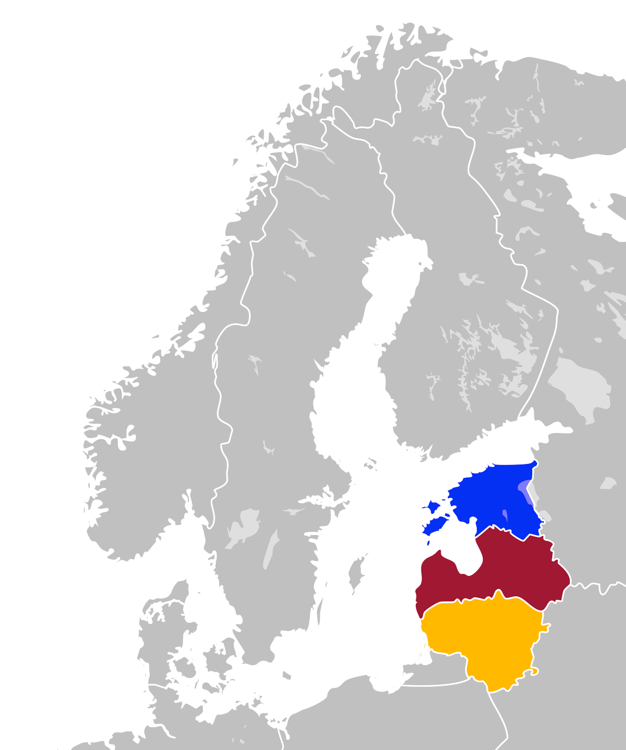
Around 11:50–11:56 UTC, Estonia’s defence minister confirmed that a NATO Baltic air policing aircraft shot down a drone of apparent Ukrainian origin over southern Estonia, the first such shoot‑down by NATO in this context. Separately, around 12:00 UTC, a car bomb exploded near Syria’s Military Armament Administration in Damascus, causing deaths and injuries at a key regime military site. Both incidents raise regional security risks and will draw close scrutiny from NATO, Russia, Israel, and Iran.
Details
- What happened and confirmed details
At approximately 11:51–11:56 UTC on 19 May 2026, Estonian Defence Minister Hanno Pevkur told media that a NATO Baltic air policing aircraft shot down a drone over southern Estonia (Reports 11 and 27). He stated this is the first time Estonia/NATO has shot down a drone itself and assessed it was likely of Ukrainian origin. Reuters is cited as a key outlet reporting the incident. This follows a series of Ukrainian military drones straying into NATO airspace in Finland, Latvia, Lithuania and Estonia since March, but until now these were either tolerated, escorted, or crashed rather than deliberately engaged.
Almost simultaneously, at about 12:00–12:01 UTC, multiple Syrian and regional sources reported an explosion involving an explosive device in a vehicle in front of the Syrian Military Armament Administration (also called the Armament Management Center) in Damascus (Reports 1, 15, 22). Reuters, citing a Syrian military source, described this as a car bomb that detonated near the facility on the outskirts of the capital, causing fatalities and injuries. Syrian state outlet SANA initially reported only that a blast was heard and that authorities were investigating, while other local channels quickly specified a VBIED near a core military institution.
- Who is involved and chain of command
The drone shoot‑down involved NATO’s Baltic Air Policing mission, likely operated by a rotating Allied air force under NATO’s Integrated Air and Missile Defence System. Estonia’s civilian defence leadership publicly acknowledged the action, implying prior coordination with NATO command at Ramstein. Ukraine is not accused of hostile intent; the drone is described as ‘stray’ or ‘likely Ukrainian,’ consistent with long‑range strike or reconnaissance drones overshooting targets in Russia or Belarus and drifting into NATO airspace.
In Damascus, the target—the Military Armament Administration—is a central Syrian Arab Army institution responsible for armament, logistics, and possibly R&D/procurement supporting regime forces. Responsibility for the attack is not yet claimed. Potential perpetrators include: (a) jihadist or opposition cells operating clandestinely in Damascus; (b) Islamic State remnants; or (c) external actors (e.g., Israel or aligned groups) using a proxy car‑bomb method, though this is less typical than airstrikes. The Syrian security apparatus, likely under the National Security Bureau and Military Intelligence, will lead the response.
- Immediate military/security implications
For NATO–Ukraine relations, the Estonia incident underscores growing operational friction from Ukraine’s expanded long‑range drone campaign against Russia. NATO must enforce its airspace integrity while avoiding the appearance of undermining Ukraine. Expect an internal NATO review of ROE for non‑hostile yet unauthorized drones and likely technical discussions with Kyiv on flight‑planning, geofencing and self‑destruct protocols. Russia will try to exploit this diplomatically, framing it as a sign of Alliance–Kyiv tension, but there is no indication of a policy rupture.
The shoot‑down also marginally raises miscalculation risk: if future drones stray during intense Russian–Ukrainian exchanges near the border, rapid NATO engagements could be misinterpreted by Moscow or Kyiv. However, all sides have incentives to treat this as an isolated safety measure.
In Syria, a successful VBIED against a key military administration node in the capital signals a notable security breach. It may indicate:
- Renewed capability of insurgent or jihadist cells to penetrate Damascus’ security cordon, or
- Targeted attempts to hit Syria’s defence logistics and armament management at a time when the regime supports operations in multiple theaters and hosts Iranian militias.
The regime will almost certainly respond with intensified security sweeps, arrests, and checkpoints in and around Damascus, plus heightened alert at other strategic facilities. If any traceable foreign involvement is alleged (e.g., a group claimed by Israel‑linked sources), it would increase the risk of Syrian or Iranian proxy retaliation against Israeli or Western‑linked assets in the region.
- Market and economic impact
The NATO drone shoot‑down is symbolically important but not, by itself, a trigger for major market moves. Still, it contributes to a broader narrative of rising operational complexity on NATO’s eastern flank, which tends to:
- Support defence and aerospace equities (air defence, radar, C2 systems),
- Modestly bolster safe‑haven demand (USD, CHF, JPY, gold) when framed as increased escalation risk, and
- Add to long‑term risk premia in Eastern European sovereign and corporate debt due to perceived security spillover.
The Damascus car‑bomb incident heightens perceived instability in Syria but does not immediately threaten core oil or gas infrastructure. Absent proof of direct Israeli or Iranian proxy involvement, major energy markets are unlikely to react strongly. However, the attack adds to the mosaic of tensions along the Israel–Lebanon–Syria–Iran axis; any subsequent tit‑for‑tat involving Iranian assets, Hezbollah, or Israeli strikes would have more direct implications for Brent/WTI risk premia and regional equity indices.
These developments occur against a backdrop of already elevated geopolitical risk and tighter global financial conditions (with reduced expectations for Fed rate cuts). Together, they may nudge risk sentiment slightly more defensive intraday, but the primary catalysts for large market moves remain broader macro data and energy supply shocks.
- Likely next 24–48 hour developments
-
NATO/Estonia–Ukraine messaging: Expect public statements clarifying that the shoot‑down was a safety measure, not a political rebuke of Kyiv. Ukraine will likely cooperate on an investigation into the drone’s origin and mission profile to prevent repetition. NATO may quietly update procedures for classifying and handling friendly or partner‑origin drones violating airspace.
-
Russian information operations: Russian state and proxy media will likely amplify the story to portray Ukraine as reckless and NATO as frustrated, aiming to widen perceived rifts. Watch for Russian diplomatic commentary at the UN or OSCE leveraging the incident.
-
Syrian regime response: Damascus will likely release an official casualty count and blame ‘terrorists’ or foreign‑backed actors. Security forces will increase operations in suburbs and along routes leading to the Armament Administration. If investigators tie the attack to an identifiable group, we may see rapid retaliatory raids or airstrikes in Syrian hinterlands.
-
Regional escalation watch: Israeli and Iranian‑backed channels will be monitored closely for claims or denials. If Israel assesses the attack as altering threat dynamics in Damascus (e.g., signalling vulnerability of certain depots), it may adjust its own airstrike campaign timelines. Conversely, if Iran or Hezbollah perceive the event as part of a broader pattern targeting their logistics, they could consider reciprocal actions, including cyber or proxy attacks on Israeli or Western‑associated targets.
Overall, both incidents are notable for strategic signalling and risk management, but neither currently represents a systemic shock. The situation bears close monitoring for follow‑on actions, particularly any shift in NATO air defence ROE or evidence that the Damascus bombing is part of a coordinated campaign rather than a one‑off attack.
MARKET IMPACT ASSESSMENT: The NATO–Ukraine drone incident marginally increases perceived escalation and accident risk on NATO’s eastern flank, supportive of defense equities and safe havens (USD, CHF, gold) at the margin. The Damascus car bomb adds to Middle East instability but is unlikely to move oil materially absent evidence of state involvement or follow‑on strikes. Fading Fed cut expectations from the Reuters poll reinforce existing macro headwinds for risk assets and EM FX but are already priced into recent market moves.
Sources
- OSINT