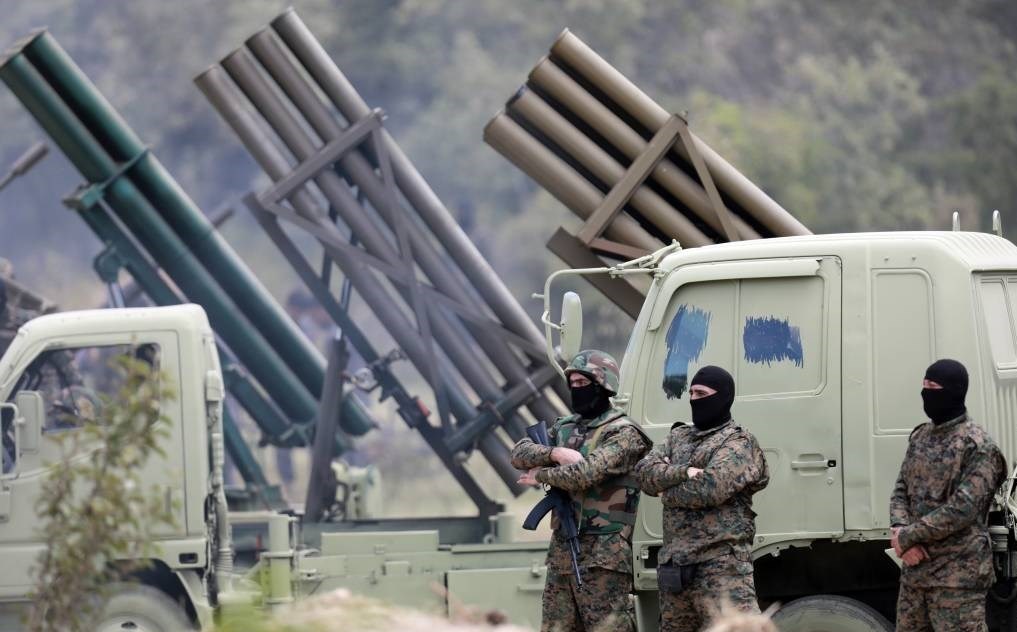
Hezbollah, IDF Trade Guided Strikes; Reports of Phosphorus Use
Severity: WARNING
Detected: 2026-05-14T23:24:29.638Z
Summary
Around 23:01 UTC, Hezbollah launched guided missiles and rockets at IDF positions near Nahariya, while Lebanese sources simultaneously reported Israeli artillery using phosphorus shells against villages in Nabatieh from positions reportedly inside Lebanon. The actions deepen the intensity and complexity of the Israel–Lebanon front amid wider Israel–Iran war concerns and carry heightened humanitarian and escalation risks.
Details
Between 23:01:31 and 23:01:48 UTC on 14 May 2026, multiple reports indicated a notable uptick in cross‑border hostilities along the Israel–Lebanon front.
Open‑source channels report that Hezbollah conducted missile and rocket strikes targeting IDF positions in or near Nahariya, northern Israel. The group reportedly employed “Nasr‑2” guided missiles, described as based on the Syrian Khaibar‑1 (M302) rocket system, along with possible improvised or upgraded “Volcano” rockets. Use of Nasr‑2 suggests a continued shift from unguided harassment fire to higher‑precision, longer‑range systems capable of more accurate strikes on fixed IDF positions and potentially critical infrastructure.
Concurrently, a 23:01:21 UTC report from Lebanese sources alleges that Israeli artillery batteries, described as positioned inside Lebanese territory, are firing phosphorus shells toward the villages of Yohmor al‑Shaqif and Ali al‑Taher in the Nabatieh governorate. If accurate, this implies IDF forward emplacement north of the border line and use of munitions that are politically and legally contentious due to their incendiary and anti‑personnel effects in populated areas.
These developments occur against the backdrop of Israel’s recently reported move to maximum alert status and heightened fears of a broader confrontation with Iran and its regional proxies. Hezbollah’s chain of command ultimately reports to Hassan Nasrallah and, strategically, to the Iranian IRGC/Quds Force. On the Israeli side, artillery and northern command decisions flow through the IDF General Staff and political leadership in Jerusalem, which has signaled a willingness to escalate to deter Hezbollah and Tehran.
Immediate military implications include: (1) elevated risk of IDF retaliatory strikes deeper into Lebanon to suppress guided‑missile launchers and forward artillery threats; (2) potential Hezbollah response with additional guided munitions against Israeli military bases and possibly critical infrastructure in northern Israel; and (3) growing civilian risk in southern Lebanon, particularly if phosphorus and other area‑effect munitions are used near villages.
From a market perspective, this is not a new war but a continuation and qualitative escalation in an already high‑risk theater. It reinforces the geopolitical risk premium in Brent and WTI, particularly given existing concerns about a potential Israel–Iran clash that could threaten Gulf shipping or Iranian exports. While this specific exchange is unlikely by itself to move oil prices by more than a few percent intraday, it contributes to sustained volatility and supports bids in safe havens such as gold and the US dollar. Regional equities, especially Israeli financials and infrastructure‑linked names, remain vulnerable to further deterioration along the northern front.
Over the next 24–48 hours, watch for: (a) IDF air and artillery responses and any expansion of strikes toward Beirut or the Bekaa Valley; (b) Hezbollah statements claiming responsibility and potentially threatening deeper strikes into Israel; (c) international reactions to alleged phosphorus use, which could increase diplomatic pressure on Israel and complicate US mediation; and (d) any indicators that Iran is adjusting posture or signaling more direct involvement. A shift from localized cross‑border fire to sustained, large‑scale strikes on strategic infrastructure would warrant an upgraded alert for both security and energy markets.
MARKET IMPACT ASSESSMENT: Continued escalation along the Israel–Lebanon front sustains a geopolitical risk premium in crude and regional risk assets. The new reports alone are unlikely to trigger an immediate large move but, combined with existing Israel–Iran war fears, they support elevated oil volatility, safe‑haven demand (gold, USD), and pressure on Israeli assets. Cacao price reports reflect existing volatility tied to Middle East tensions and West African climate risks, but are secondary.
Sources
- OSINT