IDF Hits 85 Hezbollah Sites; Ghana Sovereign Rating Upgraded
Severity: WARNING
Detected: 2026-05-09T08:10:27.312Z
Summary
Between 07:00–08:00 UTC on 9 May 2026, the IDF reported more than 85 Hezbollah targets struck across Lebanon in the previous 24 hours, underscoring ongoing high-intensity exchanges along the Israel–Lebanon front. Around 07:52 UTC, Fitch upgraded Ghana’s sovereign rating to B from B-, citing successful fiscal consolidation and robust GDP growth, marking an important step in Ghana’s post-crisis recovery. Together, these moves affect regional security risk in the Levant and risk appetite toward African frontier debt.
Details
- What happened and confirmed details
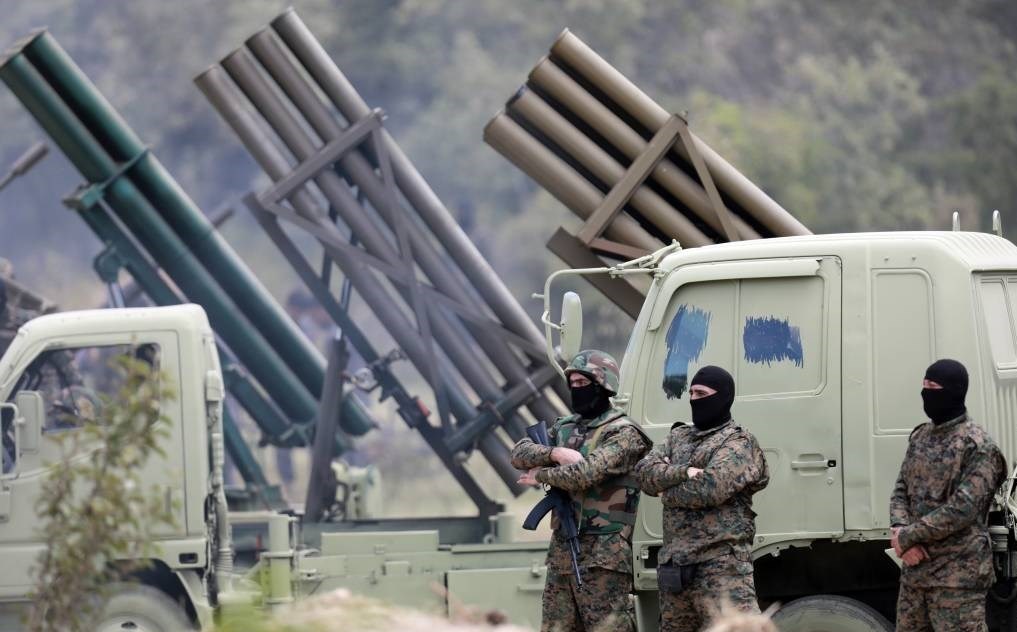
At approximately 08:00:51 UTC on 9 May 2026 (Report 35), the IDF spokesperson stated that in the past 24 hours the Israeli military struck “more than 85 Hezbollah terror organization infrastructures in several areas in Lebanon.” No specific locations, casualty figures, or target types (e.g., rocket launchers, command centers) are listed, and there is no mention of Israeli or Lebanese civilian infrastructure being hit. This is presented as an official IDF communique, so attribution is clear and the fact of a large strike package is reliable, though tactical detail is limited.
Separately, at 07:52:04 UTC (Report 14), Fitch Ratings upgraded Ghana’s sovereign credit rating to B from B-. The agency cited strong fiscal consolidation and robust real GDP growth as the primary drivers. This is a formal rating action on Ghana, which has been engaged in fiscal reforms after past debt distress.
Most other traffic in this batch consists of Russia’s Victory Day parade in Moscow, including speeches by President Putin, ceremonial troop marches (including participation by North Korean and African military delegations), cannon salutes, and historical references to WWII. These are politically symbolic but do not, on current reporting, include new concrete military decisions, mobilization orders, or sanctions packages.
- Who is involved
The IDF–Hezbollah actions involve the Israeli Defense Forces’ northern command and Hezbollah units in Lebanon, under the political direction of the Israeli war cabinet and Hezbollah’s leadership in Beirut and Tehran’s orbit. While no Iranian assets are mentioned, Iranian influence over Hezbollah ensures Tehran is a key stakeholder.
The rating upgrade involves Fitch, Ghana’s Ministry of Finance, and the Bank of Ghana. The move reflects Ghana’s adherence to fiscal reform commitments, likely underpinned by IMF-supported frameworks.
- Immediate military/security implications
The IDF’s report of over 85 targets struck in 24 hours indicates sustained high-tempo operations rather than a sharp qualitative escalation like a ground incursion or large-scale civilian mass-casualty event. However, the scale suggests:
- Ongoing degradation of Hezbollah military infrastructure along the border and possibly deeper into Lebanon.
- Elevated risk that Hezbollah will respond with barrages toward northern Israel, threatening population centers and critical infrastructure.
- Continued pressure on Lebanon’s already fragile internal security and political environment, with displacement potential if strikes concentrate near populated areas.
At this time there is no indication of a new front opening (e.g., direct Iranian or Syrian engagement) or attacks on offshore gas platforms or shipping, so this remains below Tier 1 but squarely within Tier 2 concern for regional security.
- Market and economic impact
Energy and regional risk:
- Oil: The IDF–Hezbollah exchanges keep a floor under Middle East risk premia. Without evidence of strikes on Lebanese or Israeli energy assets or Mediterranean shipping, an immediate major oil spike is not implied, but options volatility and risk pricing may tick higher.
- Equities: Israeli and Lebanese assets remain sensitive to headlines; Israeli banks, insurers, and tourism-related names may see pressure on any sign of cross-border escalation. Defense stocks globally could benefit modestly if markets interpret this as persistent conflict risk.
- Currencies: Safe-haven flows (USD, CHF, gold) are marginally supported by ongoing Levant instability, though the current report alone is unlikely to trigger a large move.
Ghana’s rating upgrade:
- Debt: Ghana Eurobonds should tighten in spreads as investors price in lower default risk and improved policy credibility.
- FX: The Ghanaian cedi could gain modestly on improved sentiment and potential inflows, though structural vulnerabilities remain.
- Broader EM/Frontier: Positive signal for reforming high-yield African sovereigns; may marginally support risk-on positioning in African credit and equities.
- Likely next 24–48 hour developments
Israel–Hezbollah:
- Expect Hezbollah to respond or acknowledge the strikes; potential for rocket or missile fire into northern Israel, which could provoke further IDF responses.
- Watch for any IDF statements about expanded rules of engagement or targeting further north into Lebanon, and any reports of civilian casualties that could draw wider international pressure.
- Monitor for any spillover affecting energy assets (Israeli offshore gas, Lebanese infrastructure) or cross-border trade.
Ghana:
- Ghanaian authorities may follow the Fitch upgrade with statements on continued fiscal discipline and reform, seeking to capitalize on improved market confidence.
- Investors could test Ghana’s access to primary markets and assess whether spreads now justify renewed issuance or liability management operations.
Overall, neither development constitutes a Tier 1 global shock, but together they meaningfully shape regional security dynamics in the Levant and frontier debt risk pricing in Africa, warranting a Tier 2 WARNING-level alert for leadership and trading desks.
MARKET IMPACT ASSESSMENT: IDF–Hezbollah strikes marginally increase risk premia on regional assets and oil, though no direct infrastructure or shipping impact is reported. Ghana’s upgrade may tighten Ghana Eurobond spreads, support the cedi, and marginally improve risk sentiment toward high-yield African debt.
Sources
- OSINT