Ukraine Hits Perm Refinery Again; Explosions Reported in Sochi, Lipetsk
Severity: WARNING
Detected: 2026-05-07T13:11:39.107Z
Summary
Around 13:01 UTC on 7 May 2026, Ukrainian drones reportedly struck the Lukoil‑Permnefteorgsintez refinery in Perm again, igniting new fires at the major Russian facility. Separate reports at 13:01 UTC indicate explosions and active air defense in Sochi and Lipetsk, while Zelensky publicly highlighted Ukrainian ‘long‑range sanctions’ reaching over 1,500 km into Russia. The pattern signals an expanding and sustained campaign against Russian energy and deep‑rear targets with potential implications for global fuel markets and conflict escalation.
Details
Between 12:30 and 13:05 UTC on 7 May 2026, multiple OSINT reports indicate a renewed wave of Ukrainian long‑range drone activity deep inside Russia.
The most concrete development is a fresh strike on the Lukoil‑Permnefteorgsintez refinery in Perm, reported at 13:01:35 UTC. Sources state that Ukrainian drones again hit the facility, with fires breaking out on site. This follows a recent Ukrainian attack on the same refinery that caused a major fire and damage. While detailed damage assessments and production-impact figures are not yet available, repeated strikes on the same high‑value asset suggest both targeting persistence and potential cumulative degradation of refining capacity.
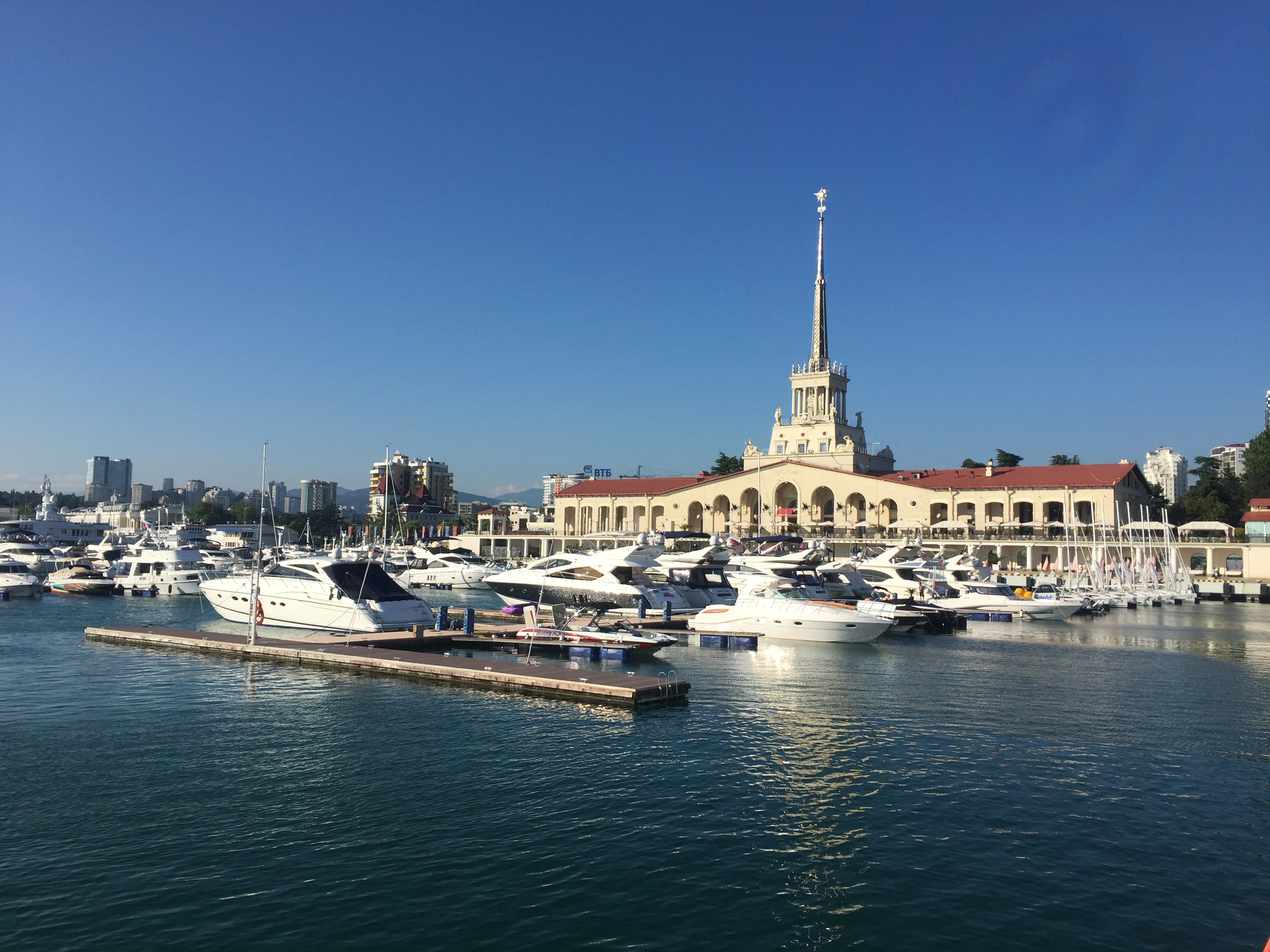
Parallel reporting at 13:01:35 UTC notes explosions and active air defense in Sochi and Lipetsk, with residents hearing blasts as defenses engaged what are likely incoming drones. These locations extend the geographic footprint of Ukrainian deep‑strike operations across a broad arc of Russia’s territory.
President Volodymyr Zelensky, in comments timestamped 13:00–13:01 UTC, framed these operations as ‘long‑range sanctions’ responding to Russia’s violation of a proposed silence regime from midnight 6 May. He explicitly cited a Ukrainian hit on Perm, more than 1,500 km from Ukraine’s border, and stated Ukraine will respond militarily to Russian strikes and diplomatically to any credible Russian readiness for talks. This is a clear political claim of responsibility for long‑range attacks on Russian infrastructure.
Militarily, this confirms Ukraine’s capacity and intent to conduct sustained, repeat strikes against strategic energy and industrial nodes deep in Russia, not just border-adjacent targets. Rehitting Perm—after a prior significant fire—and extending activity toward Sochi and Lipetsk raises the cost for Russia in terms of internal air defense deployment, infrastructure hardening, and potential loss of refined output. It also undermines the perceived sanctuary of Russia’s rear areas, with psychological and political effects in the run‑up to the 9 May Victory Day events in Moscow.
From a market perspective, repeated attacks on Russian refineries contribute to an upward risk bias for crude and refined product prices by increasing the probability of supply disruptions to domestic Russian markets and export flows, notably diesel and gasoline to Europe, Africa, and Latin America. Even absent immediate confirmed capacity loss, insurers and shippers may price in greater risk premiums for Russian ports and logistics linked to targeted facilities. European fuel crack spreads, tanker freight rates, and energy equities (refiners, tankers, and oilfield services) are likely to be sensitive. RUB could face renewed selling pressure if investors anticipate higher war‑related costs and constrained energy revenue.
In the next 24–48 hours, expect: (1) Russian authorities and Lukoil to issue preliminary damage and fire-control statements from Perm; (2) possible retaliatory long‑range strikes by Russia against Ukrainian energy or command infrastructure, in line with the demonstrated tit‑for‑tat pattern; (3) further Ukrainian messaging highlighting deep‑strike reach; and (4) incremental risk repricing in oil and product markets if damage is confirmed significant or if additional Russian infrastructure is struck. The combination of repeated hits on the same refinery and concurrent activity near Sochi and Lipetsk marks a notable escalation in Ukraine’s long‑range campaign, warranting close monitoring for follow‑on strikes and Russian response.
MARKET IMPACT ASSESSMENT: Sustained Ukrainian attacks on Russian refineries, including today’s renewed hit on Perm and reported explosions in Sochi and Lipetsk, increase perceived risk premia on oil and products, supporting Brent/WTI and crack spreads. Russian refined product exports, especially diesel and gasoline, could face incremental disruption, bullish for European fuel prices and tanker rates. Broader equity risk sentiment may turn more cautious on renewed escalation deep inside Russia, while RUB could face pressure if damage is confirmed and insurance/transport costs rise.
Sources
- OSINT