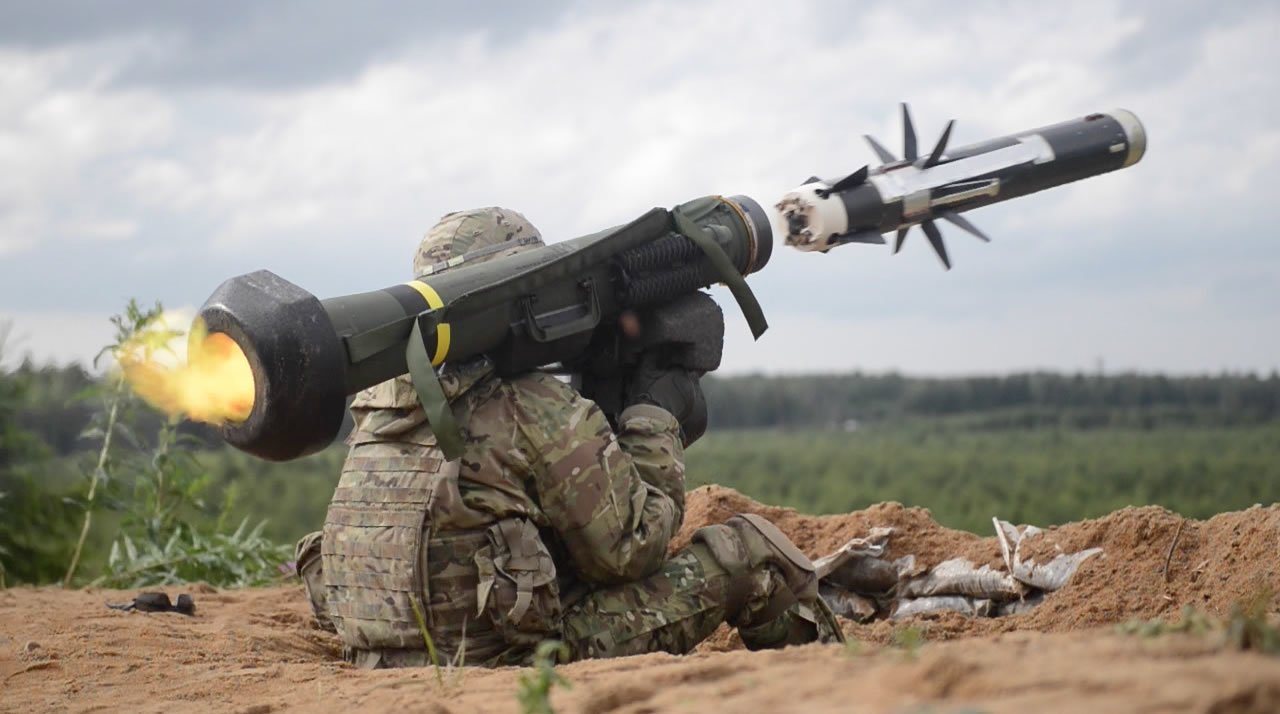
Reports: U.S.–Iran Clash Widens With Strikes, Tanker Hit and Missiles at 5th Fleet
Severity: FLASH
Detected: 2026-07-24T21:35:31.060Z
Summary
Reports between 21:11–21:30 UTC describe U.S. strikes in Iran, a U.S. missile attack on an LPG tanker that killed two crew, and missiles launched toward the U.S. Fifth Fleet HQ in Bahrain, as airlines cut Israel flights and U.S. strategic bombers are moved to high alert. This cluster of actions sharply raises the risk of a broader U.S.–Iran–Gulf war and threatens energy shipping across the Gulf and Red Sea.
Details
A series of reports in the 21:11–21:30 UTC window point to a rapid and dangerous widening of the confrontation between the United States, Iran, and Gulf states, with immediate implications for global energy flows and regional stability.
At 21:11 UTC, Kurdish-front sources reported U.S. airstrikes in Behbahan, in Iran’s oil-rich Khuzestan province in the southwest. While independent confirmation is pending, any U.S. kinetic action on Iranian territory—especially in Khuzestan, hub to key oil and gas infrastructure—marks a significant escalation beyond proxy exchanges.
At 21:24 UTC, Iranian state broadcaster IRIB, cited by open-source monitors, claimed U.S. forces fired two missiles at an LPG tanker they “mistakenly believed” was carrying Iranian gas, killing two crewmembers and disabling the engine room. The flag and ownership of the vessel are not yet specified. If confirmed, this is a direct lethal strike on commercial shipping attributed to U.S. forces, which would be a step-change in how Washington is prosecuting pressure on Iran-linked energy logistics.
Around 21:30 UTC, regional defense channels reported missiles attempting to hit facilities housing the U.S. Fifth Fleet in Bahrain, with local air defenses engaged and impacts not yet geolocated. Bahrain and nearby Kuwait were separately reported (21:16 UTC, citing the Wall Street Journal) to have conducted covert airstrikes inside Iran earlier this month, their first direct attacks on Iranian territory, signaling that smaller Gulf monarchies are now active combatants rather than spectators.
On the aviation side, Austrian Airlines and ITA (Lufthansa Group) were reported at 21:17 UTC to have cancelled morning flights to Israel due to expectations of a large escalation with Iran. By 21:23 UTC, additional posts indicated broader airline cancellations of Israel flights over the coming weekend. Carriers rarely pull Israeli routes on short notice unless they see material missile or airstrike risk; the move pressures Ben Gurion connectivity, tourism revenue, and signals that commercial risk models are shifting toward a war scenario.
Simultaneously, at 21:20 UTC, a Saudi tanker (NCC MASA) was reported hit in the Red Sea with minor hull damage, the second Saudi-linked tanker targeted in days amid Houthi attempts to enforce a de facto blockade. And at 21:20 UTC, the New York Times was cited as reporting that U.S. B‑2 and B‑52 strategic bombers have been placed on high alert with additional tankers moved closer to the Middle East, a posture consistent with contingency planning for deep-strike campaigns against Iran or its proxies.
The human cost is already climbing: two reported dead on the LPG tanker, crews and port workers in the Red Sea and Gulf facing rising risk, and Israeli civilians bracing for disruption as flight options shrink. Shipowners, charterers, insurers, and energy traders face a rapidly changing operating picture that touches the Strait of Hormuz, the Northern Gulf, and the Red Sea concurrently.
Militarily, reported U.S. strikes in Khuzestan, missile launches at the U.S. Fifth Fleet in Bahrain, and covert Gulf-state raids inside Iran—if borne out—mean the confrontation is no longer confined to proxy forces in Yemen, Iraq, and Syria. Direct state-on-state engagements raise miscalculation and overreaction risks, particularly if Iranian command-and-control, IRGC assets, or oil and gas sites are hit. The reported bomber alert status indicates Washington wants both deterrence and ready capacity for escalation.
For markets, this combination is highly combustible. Any perception of threat to Iranian export terminals, Gulf loading points, or tanker safety through Hormuz and the Red Sea will add a sharp risk premium to Brent and WTI and could dislocate LPG/LNG shipping rates. War-risk insurance for transiting the Gulf, Gulf of Oman, and Red Sea is likely to move higher almost immediately, cutting effective vessel supply. Airline stocks with Middle East exposure may underperform as carriers trim routes, while defense names could catch a bid. Safe-haven flows into the U.S. dollar, Treasuries, and gold are likely as traders reassess the probability of a U.S.–Iran regional war.
Over the next 24–48 hours, key watch points will be: (1) official U.S. and Iranian confirmation or denial of strikes in Khuzestan and the tanker attack narrative; (2) any verified damage to U.S. facilities in Bahrain and subsequent U.S. retaliation thresholds; (3) whether Iran or proxies target Hormuz transits or Gulf oil infrastructure directly; (4) expansion of airline cancellations to additional carriers or a full aviation advisory for Israel and parts of the Gulf; and (5) indications that OPEC producers or major importers are preparing contingency supply or strategic stock draws. A confirmed strike on major energy infrastructure or a declared intent to close or disrupt Hormuz or Bab el‑Mandeb would escalate this situation to a systemic energy shock.
MARKET IMPACT ASSESSMENT: High and immediate upside pressure on crude and product prices, LNG and LPG risk premia widening, flight-to-safety bid in gold and USD, potential selloff in Middle East and Israeli equities and airlines; war-risk insurance and tanker day rates likely to spike.
Sources
- OSINT