Reports: U.S. Strikes Hit Iran’s Hamadan Base, Larak Island as Clash Widens
Severity: WARNING
Detected: 2026-07-22T14:11:03.979Z
Summary
Iranian outlets report U.S. strikes around 13:00–13:10 UTC on a military base near Hamadan in western Iran and on Larak Island in the south, signaling that the U.S.-Iran exchange is now hitting targets on Iranian territory in broad daylight. The shift deepens escalation risks for Hormuz shipping, regional U.S. basing, and energy markets already on edge after Iran’s recent attacks on U.S. and partner facilities.
Details
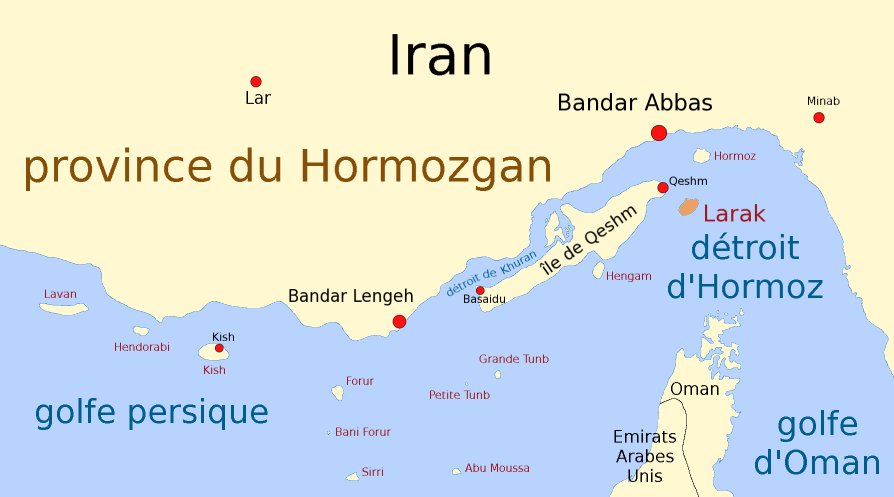
Iranian sources are reporting that around an hour before 14:01 UTC on 22 July, U.S. forces struck a military base in Hamadan, western Iran, and also hit targets on Larak Island in southern Iran. The report stresses that mutual strikes between Iran and the U.S. and its allies are now occurring throughout the day, not confined to nocturnal raids. If confirmed, this marks a notable broadening of the geographic scope of U.S. retaliatory action onto Iranian soil itself, following Iran’s recent missile and drone attacks on U.S.-linked bases in Jordan, Kuwait, Saudi Arabia and elsewhere.
The reported Hamadan strike would place U.S. munitions deep inside Iran’s western interior, near key air and logistics hubs that support Iranian operations in the Levant and Iraq. A second reported strike on Larak Island, located near the Strait of Hormuz, would indicate U.S. willingness to hit assets tied to Iran’s maritime and anti-shipping posture in the Gulf. These claims are currently sourced to Iranian media and social channels; there is no immediate U.S. confirmation, and battle damage, casualty counts, and exact target sets remain unverified. Nonetheless, the timing aligns with the ongoing retaliatory cycle that began when Iran struck U.S., Saudi, Jordanian and Kuwaiti bases within the past 48 hours, including confirmed damage at Jordan’s King Faisal base and radar infrastructure in Kuwait.
The immediate human stakes are for Iranian military personnel stationed at these bases and for civilian populations near Hamadan, a major city, if strikes were close to urban areas. On Larak, any damage to local facilities or military positions would directly affect sailors and support crews and may tighten security measures affecting local fishing and coastal trade. Regional governments — especially Gulf monarchies hosting U.S. forces — now face a sharper choice between allowing their territory to be used for further launches and trying to contain the exchange diplomatically.
Militarily, a verified hit in Hamadan would signal that Iranian air defense coverage in the country’s interior can be penetrated, potentially exposing other command and control nodes tied to operations in Iraq, Syria, and Lebanon. A strike on Larak Island would point to an effort to degrade Iran’s coastal surveillance, missile, or drone infrastructure that underpins its ability to threaten commercial shipping and U.S. naval units near the Strait of Hormuz. Persistent daytime attacks increase operational tempo and strain on both sides, raising the risk of miscalculation, including Iranian attempts at more aggressive responses against U.S. forces, Gulf bases, or shipping.
For markets, any perception that U.S. strikes are now routinely hitting Iranian territory close to Hormuz-linked assets supports a risk premium on crude and refined products. Brent and WTI could see renewed buying on headline risk alone, while tanker operators, P&I clubs, and cargo owners reassess routing and insurance costs for Gulf liftings. Gulf sovereign credit spreads and regional equities are vulnerable to widening if investors conclude this is evolving into a sustained U.S.-Iran confrontation rather than a brief exchange. Gold and safe-haven FX such as the dollar and Swiss franc can benefit from risk-off flows, while EM currencies tied to energy-importing economies may face pressure.
Over the next 24–48 hours, watch for: (1) U.S. confirmation, denial, or silence regarding strikes in Hamadan and Larak; (2) any Iranian announcement of casualties or damage, which would shape domestic pressure for retaliation; (3) observable changes in shipping behavior near Hormuz and Bab el-Mandeb, including rate spikes or route diversions; (4) additional Iranian or proxy attacks that expand the target set to energy infrastructure, commercial shipping, or Gulf capitals; and (5) emergency consultations among Gulf states, Israel, and European partners that might signal either preparation for wider conflict or a push to cap the escalation.
MARKET IMPACT ASSESSMENT: Heightens risk premia across crude benchmarks and Middle East sovereigns; supports higher oil and gold, weighs on Gulf and broader EM equities and FX, and could pressure shipping and insurance pricing for Hormuz and nearby routes.
Sources
- OSINT