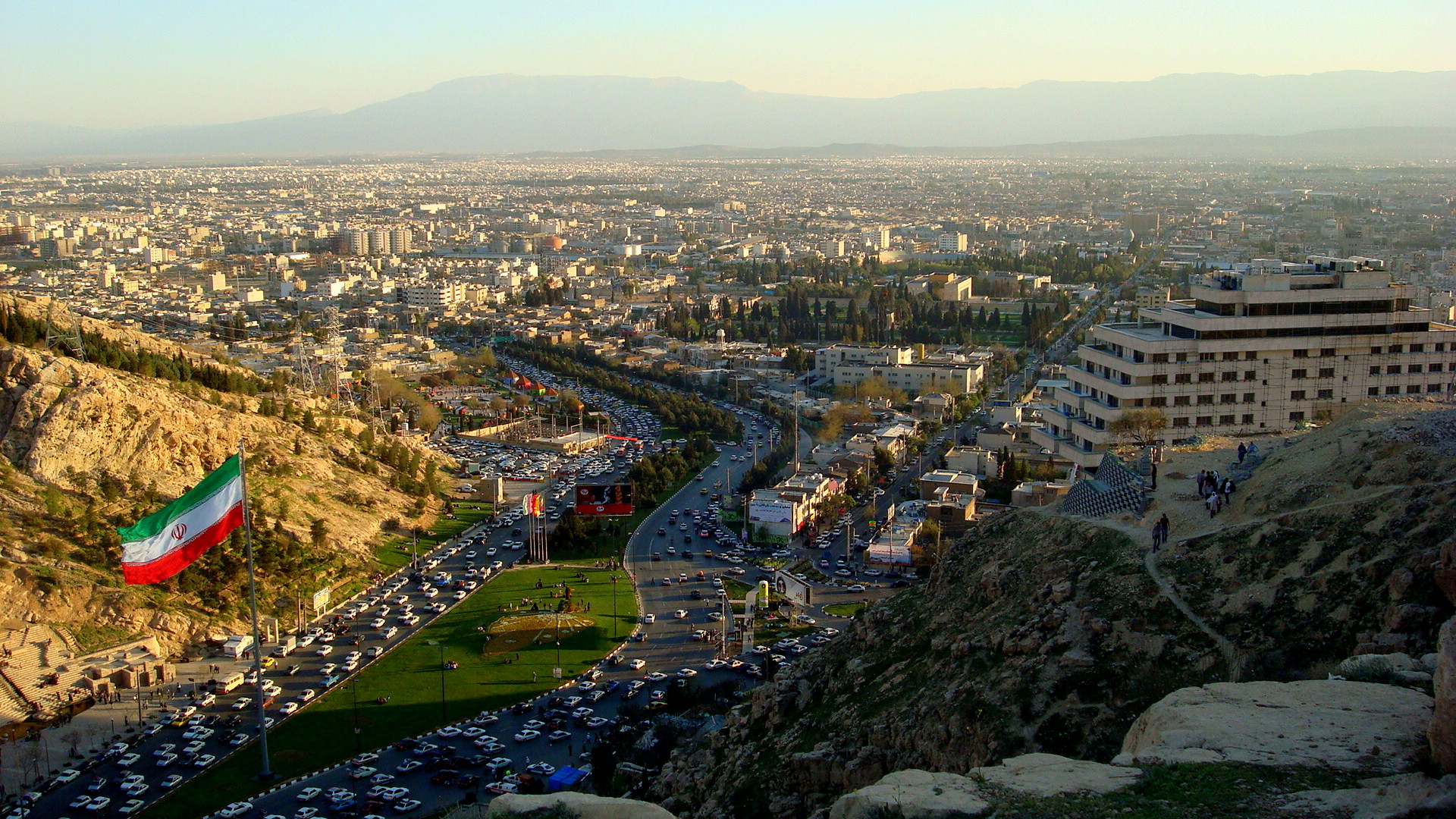
Reports: U.S. Strike Hits Iranian City as Missiles Launched Toward Gulf Allies
Severity: WARNING
Detected: 2026-07-20T14:20:09.761Z
Summary
Open-source reports between 13:30–14:05 UTC indicate a fresh U.S. strike on targets in Shiraz, Iran, alongside Iranian ballistic missile launches from Omidiyeh and active attack warnings, sirens and explosions in Kuwait and Bahrain. The exchange deepens a live U.S.–Iran confrontation that already hit U.S. forces in Jordan and Gulf bases, tightening the risk of wider war and energy-route disruption in the Gulf.
Details
A new round of reciprocal U.S.–Iran military action is unfolding across the Gulf theater this hour, with reports of a U.S. strike on an electronics/defense facility in Shiraz, Iran, coinciding with Iranian ballistic missile launches and active air-raid alerts in Kuwait and Bahrain. The confrontation is no longer confined to proxy or deniable attacks; it is striking U.S. forces on host-nation soil while drawing in multiple Gulf monarchies that anchor global energy flows.
Confirmed and claimed developments in the last 40 minutes:
- At 13:20–13:42 UTC, Iran and affiliated sources released high-resolution imagery of damage at Muwaffaq al-Salti Air Base in Jordan, showing destroyed U.S. containerized housing and at least two damaged MQ‑9 drones. The Pentagon at 14:01 UTC identified two U.S. soldiers killed in the 17 July Iranian strike on that base.
- At 13:29 UTC, Iran’s IRGC claimed strikes on Al‑Sakhir Air Base and Bin Salman Port in Bahrain, and Camp Arifjan in Kuwait. By 13:26–13:27 UTC, multiple explosions were reported over Bahrain, assessed as air defense engaging Iranian drones, with follow-on posts at 13:58 UTC stating that attacks on Bahrain were “still ongoing” and described as heavy.
- At 13:30–13:32 UTC, Kuwait’s state news agency warned of incoming attack; sirens sounded across the country, signaling imminent missile or drone threats. A separate report at 13:32 UTC again described sirens sounding due to threat of Iranian attack.
- At 13:49 UTC, a ballistic missile launch from Omidiyeh in southwestern Iran was reported, consistent with Iranian systems capable of reaching Gulf bases and infrastructure.
- At 13:59–14:02 UTC, multiple sources reported a U.S. strike on a Shiraz Electronics Industries building in southern Iran and a broader “US strike against the Iranian city of Shiraz.” These accounts align with earlier alerts that the U.S. would respond against Iranian defense targets after IRGC attacks on Bahrain and Kuwait, but remain OSINT claims pending formal U.S. confirmation.
This escalation hits real people and real infrastructure. U.S. casualties in Jordan have been publicly named and confirmed. Bahraini and Kuwaiti populations are sheltering under sirens and explosions as their territories serve as platforms for U.S. power projection. Host governments will now face acute domestic pressure: Bahrain’s port and air base are central to the U.S. 5th Fleet, while Kuwait is a logistics hub for U.S. operations. Any further Iranian targeting of ports, air bases, or desalination and power assets would directly affect Gulf civilians and expatriate workers.
For industry and markets, the battlefield is wrapped around critical energy and shipping nodes. Bahrain’s Bin Salman Port and nearby naval facilities sit on approaches to the Strait of Hormuz; Kuwait’s export terminals and storage are key for crude and products flows. In parallel, the Houthis have just declared an immediate naval blockade on Saudi Arabia and threatened attacks on all shipping to its ports, placing both Red Sea and Gulf approaches under threat. Tanker operators, insurers, and charterers now have to price simultaneous Iranian and Houthi strike risks from the Strait of Hormuz through the Red Sea.
Oil prices, which briefly erased gains after Iran floated the possibility of talks with Washington at 13:45 UTC, are unlikely to sustain that pullback if investors conclude that U.S. strikes deep in Iran and live missile launches toward U.S. partners mark the start of a sustained exchange, not a one-off retaliation. Gold typically catches bids on such cross-theater escalations, as do defense sector equities. Gulf equities and currencies could see pressure as investors reassess sovereign risk and potential physical damage to infrastructure.
Key watch points over the next 24–48 hours:
- Whether Washington formally acknowledges and frames the Shiraz strike as limited deterrence or signals a broader campaign against Iranian assets.
- Iran’s next move: additional missile launches from Omidiyeh or other sites, direct targeting of oil and gas facilities or export terminals, or kinetic action against shipping near the Strait of Hormuz.
- Host-nation responses in Bahrain, Kuwait, Jordan, and Saudi Arabia, including any constraints on U.S. military basing or requests for de‑escalation.
- Evidence of shipping diversion, insurance repricing, or port slowdowns in Bahrain, Kuwait, and Saudi Arabia.
- Internal Iranian messaging, including President Pezeshkian’s framing of an “all-out war,” which may presage further mobilization or external escalation.
If U.S. and Iranian leaderships do not rapidly impose clear ceilings on their strikes, the operational tempo now evident across Jordan, Bahrain, Kuwait, Saudi-adjacent waters, and Iranian territory points toward a multi-front conflict that could significantly disrupt Gulf energy exports and redraw regional security alignments.
MARKET IMPACT ASSESSMENT: Heightened risk premia for oil and LNG tied to Gulf export disruption; likely bid into crude, refined products, gold, defense equities, and possibly U.S. Treasuries, with pressure on Gulf and Iranian-linked assets. Earlier intraday reversal in oil on de‑escalation comments may prove fragile if strikes on Shiraz and active missile launches are confirmed.
Sources
- OSINT