Iran Claims U.S. Drone Downed, Nuclear Site Hit as Jordan Denies Aqaba Evacuation
Severity: WARNING
Detected: 2026-07-19T11:09:53.235Z
Summary
Iranian officials say air defenses shot down a U.S. MQ‑9 near Dehloran and accuse Washington of striking an under‑construction nuclear facility in Khuzestan, even as Jordan publicly rejects a U.S. embassy warning that Aqaba’s airport and seaport were evacuated over a ‘specific and credible’ threat. The clash of narratives signals a volatile phase in U.S.–Iran confrontation and injects fresh uncertainty into security planning for Gulf and Red Sea trade routes.
Details
Iran and the United States are now in a direct and contested confrontation across both military and information domains, with knock‑on effects for a critical regional logistics hub.
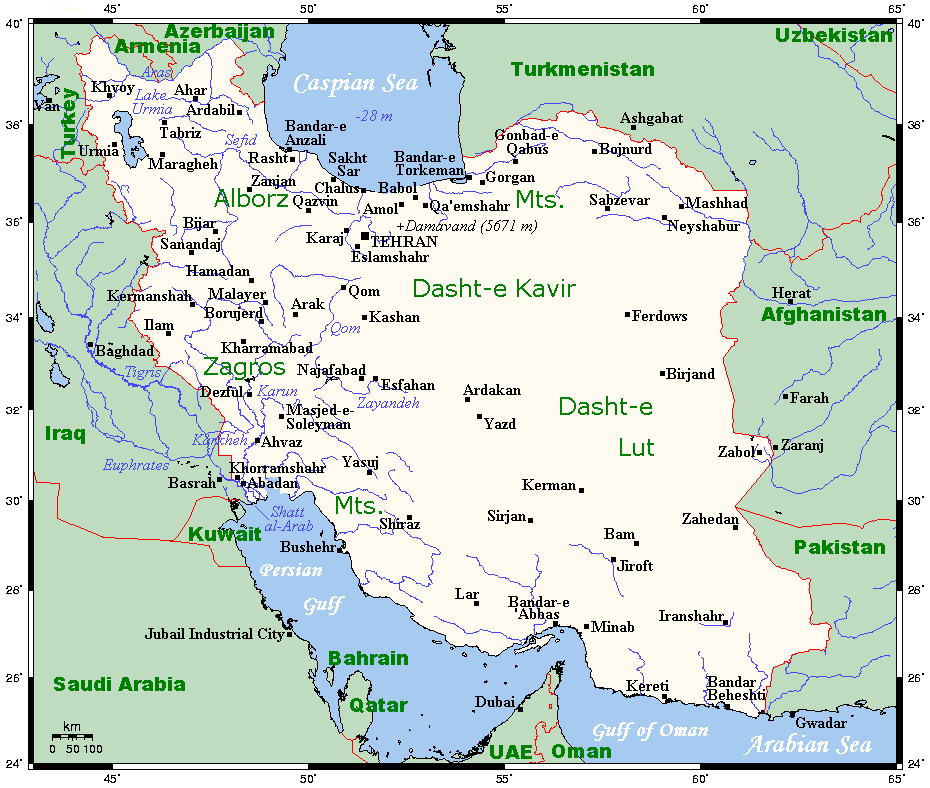
Around 11:04 UTC on 19 July, imagery from western Iran near Dehloran showed wreckage identified as debris from a U.S. MQ‑9 Reaper drone, with Iranian reporting saying it was brought down by Iranian air defense. Minutes earlier, Iran’s Atomic Energy Organization publicly condemned what it described as a U.S. attack on the under‑construction Darquoin nuclear facility in Khuzestan, explicitly linking Washington to a strike on sensitive nuclear‑linked infrastructure. While U.S. confirmation is absent so far, Tehran is framing the episode as a significant escalation.
In parallel, at 10:26 UTC the U.S. Embassy in Jordan issued an unusually sharp security message, asserting that, “following a specific and credible threat, the Jordanian authorities have evacuated the international airport and the seaport in Aqaba,” and advising U.S. citizens to avoid both. Yet by 10:28–10:39 UTC, Aqaba port’s director and Jordanian authorities publicly contradicted that claim, insisting the seaport and airport were operating normally and that there were no credible threats.
The human and commercial stakes are immediate. Aqaba is Jordan’s main outlet to the Red Sea and a transshipment node for cargo bound for Iraq and the wider Levant. Any real or perceived closure forces shippers, cruise operators, and airlines to reassess routes and insurance cover, particularly with existing strain on regional maritime corridors from Gulf and Hormuz tensions. On the Iranian side, the alleged U.S. strike on an under‑construction nuclear facility will be used domestically to justify hard‑line responses, while the MQ‑9 shootdown—if confirmed as an armed or ISR asset on a sensitive mission—signals that U.S. surveillance or operational activity over or near Iran remains intense.
Militarily, a U.S. drone downed inside Iran and an alleged U.S. strike on nuclear infrastructure move the confrontation into more dangerous territory. Tehran could respond with cyber operations, missile and drone activity via proxies, or maritime harassment near the Strait of Hormuz, targeting U.S., Israeli, or Gulf‑flagged assets. The MQ‑9 loss also raises the risk of miscalculation if debris recovery yields sensitive technology or if Iran chooses to publicize telemetry to support its narrative of U.S. aggression.
For markets, this combination of events reinforces upside risk to crude and refined product prices: traders will now factor not only Iran–Israel shock but also direct U.S.–Iran friction and doubts around the stability of alternative routes like Aqaba for bypassing more threatened ports. Marine insurers are likely to revisit premiums on Gulf and northern Red Sea transits if any hint of actual movement restrictions at Aqaba emerges, while aviation insurers will watch for changes in overflight advisories. Safe‑haven flows into gold and the dollar could strengthen if Washington or Tehran escalates rhetorically or kinetically in the next news cycle.
Over the next 24–48 hours, watch for: (1) any U.S. Pentagon or White House statement confirming, denying, or re‑characterizing the Darquoin strike and MQ‑9 mission profile; (2) corroborated reporting on whether Aqaba security measures have quietly tightened despite public denials, including NOTAMs, AIS anomalies, or cruise/airline schedule changes; (3) Iranian or proxy missile and drone activity in Iraq, Syria, the Gulf, or against shipping; and (4) adjustments in war‑risk premiums for tankers and container ships using Hormuz and the northern Red Sea. Any movement from allegation to open acknowledgement of cross‑border strikes on nuclear infrastructure would mark a further jump in escalation risk.
MARKET IMPACT ASSESSMENT: Heightened risk premium for oil and shipping exposed to the Gulf and northern Red Sea; safe‑haven bid to gold and dollar possible if U.S.–Iran confrontation over drone shootdown and alleged strike on nuclear site escalates or if Aqaba’s status proves unstable. Regional equities and aviation/shipping names could see volatility on confusion over Aqaba security posture.
Sources
- OSINT