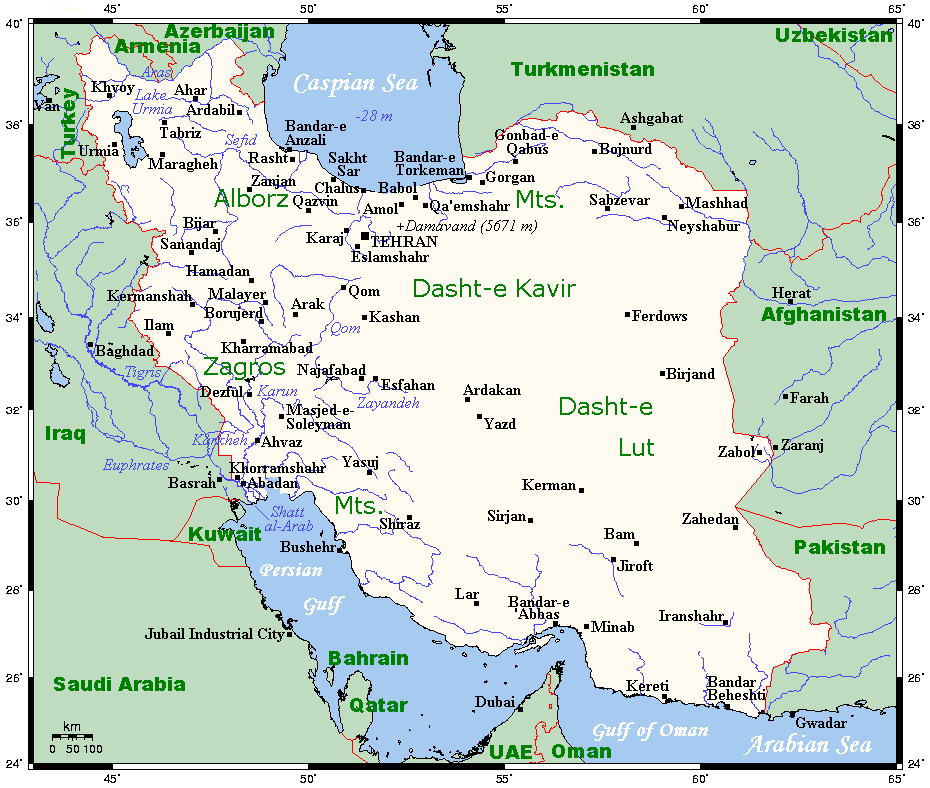
Iran Claims ‘Strong’ Strike on US‑Linked Al Azraq Base in Jordan, Hitting All Targets
Severity: WARNING
Detected: 2026-07-09T21:26:50.699Z
Summary
At approximately 20:33 UTC, Iranian state‑aligned reports said the IRGC “struck hard” at the US‑linked Al Azraq air base in Jordan and destroyed all designated targets. If confirmed, this is a direct Iranian attack on a critical US regional hub inside a key Arab partner state, sharply raising the odds of US retaliation and wider conflict that could rattle energy markets and regional stability.
Details
Iran’s Islamic Revolutionary Guard Corps (IRGC) is claiming a major strike against the US‑linked Al Azraq air base in Jordan, with state‑aligned reporting at 20:33 UTC that “all the targeted objectives were destroyed.” This marks a direct extension of Iran’s confrontation with the United States and its partners onto Jordanian soil, leveraging ballistic and/or cruise missile capabilities previously focused on Israel, Iraq, and the Gulf.
Confirmed details remain limited and largely Iranian-sourced. The report explicitly states that Iran “hit hard” a US military base in Jordan and that all assigned targets at Al Azraq were destroyed. No independent casualty figures, damage assessments, or confirming statements from Washington, Amman, or NATO partners have yet surfaced in the feed, but the claim tracks with earlier OSINT noting Iranian missile launches and prior reporting today of Iranian strikes on Azraq. Source confidence is medium: the outlet is attributing the claim to the IRGC, and the narrative is consistent with Iran’s emerging response pattern to perceived US and allied actions against Iranian territory and assets.
For people on the ground, Al Azraq is not an abstract facility. It is a central node for US and coalition air operations, ISR missions, and logistics in the Levant and Gulf. A successful high‑intensity strike could mean dead or wounded US and Jordanian personnel, temporary or prolonged loss of sortie generation from the base, and heightened domestic security concerns in Jordan, already under pressure from regional spillover and economic strain. Jordan’s monarchy may face a new test balancing its security partnership with Washington against domestic unease over hosting a base Iran is now openly targeting.
Militarily, this is a significant escalation step. Iran is signaling that US‑linked infrastructure in partner countries such as Jordan is no longer off‑limits. If the damage to runways, hangars, fuel farms, or command facilities is serious, US CENTCOM will need to re‑route air operations, redistribute assets, and raise force protection across the theater. Iran’s willingness to fire into Jordan expands the geography of risk for other hosts such as Qatar, Kuwait, Bahrain, and the UAE, and could encourage Tehran’s proxies to test additional US positions. The attack also demonstrates a level of confidence in Iran’s missile accuracy and coordination, especially if independent imagery later shows concentrated damage.
For markets, the immediate pressure point is risk premia across energy and regional assets. Any credible perception that US‑Iran confrontation is sliding from proxy strikes to direct state‑on‑state exchanges will be priced into Brent and WTI via higher geopolitical risk premia. Even without physical disruption, traders will anticipate greater vulnerability for Gulf production, export terminals, and overland pipelines, as well as higher insurance costs for aviation and potentially for trucking and logistics routes transiting Jordan and its neighbors. Defense names in the US and Europe may catch a bid on expectations of heightened deployments and replenishment orders, while regional EM FX and sovereign debt could see outflows as investors reduce exposure to Jordan and to frontier credits perceived as within Iran’s retaliatory reach.
Over the next 24–48 hours, key watch points are: (1) US and Jordanian statements confirming or contradicting Iran’s damage claims, including any casualty numbers and operational impact at Al Azraq; (2) evidence of follow‑on Iranian or proxy attacks against other US‑linked bases or infrastructure; (3) the scale and nature of any US retaliatory strikes on Iranian territory or assets, especially if they broaden beyond previously hit coastal and port sites; and (4) moves by regional producers or OPEC+ to verbally stabilize markets if oil volatility accelerates. Traders should be alert to sudden airspace restrictions, NOTAMs, and insurance advisories covering Jordan, Iraq, and the northern Saudi corridor, as these will shape both risk sentiment and concrete disruptions to logistics and energy flows.
MARKET IMPACT ASSESSMENT: High risk of near-term spikes in oil and refined products, safe-haven flows to gold and USD, and pressure on regional EM FX and equities as traders reprice the risk of sustained US‑Iran confrontation and potential disruption to Gulf/Jordan energy and logistics corridors.
Sources
- OSINT