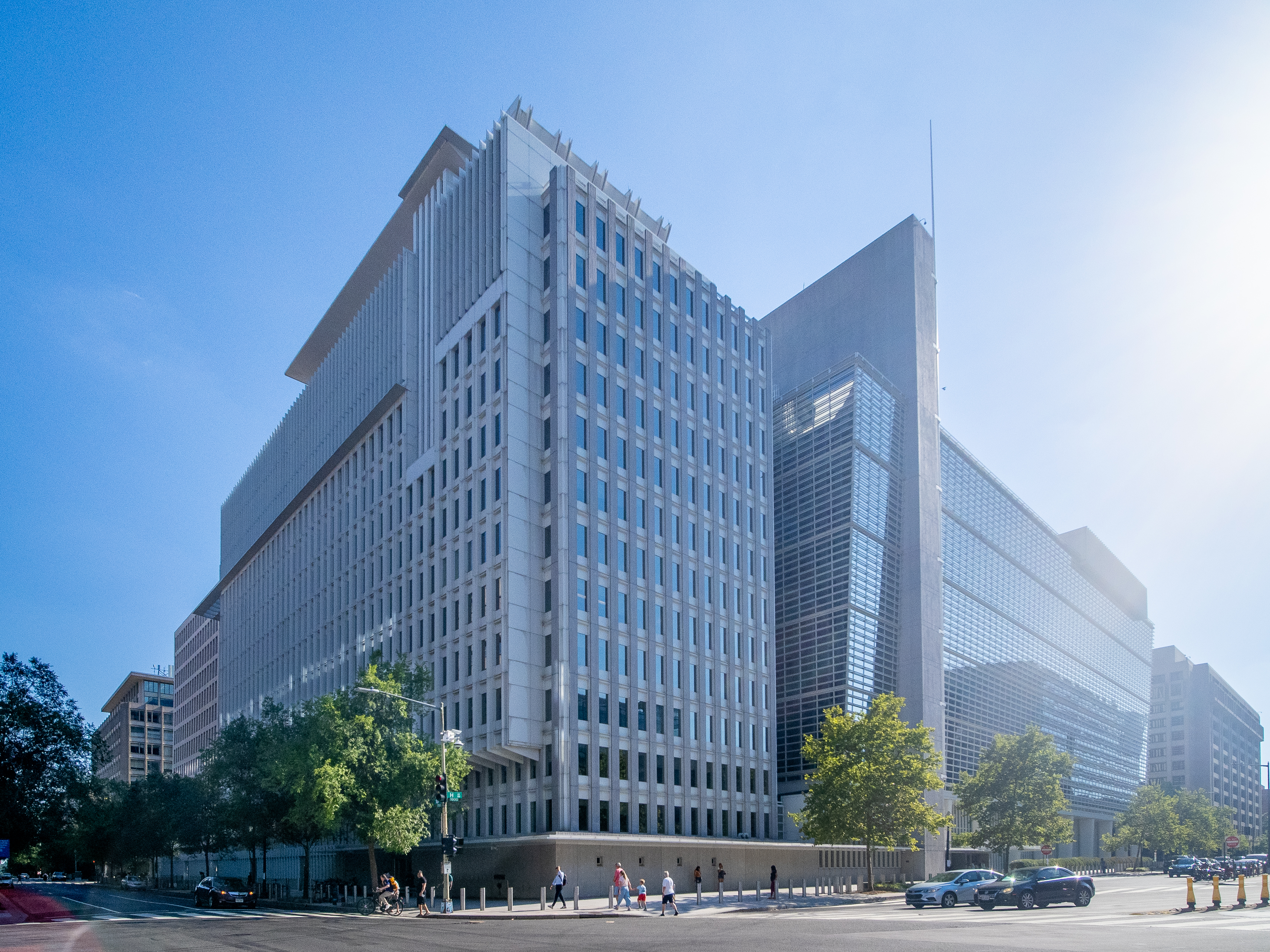
NATO Allies Launch ‘World Bank for Defense’, Locking In Long-Term Rearmament Finance
Severity: WARNING
Detected: 2026-07-07T21:16:56.401Z
Summary
Nine countries at the NATO summit in Ankara have agreed to create a Defense, Security and Resilience Bank, described as a multilateral ‘World Bank for Defense’ to fund global rearmament. The move hardens long‑term demand for arms and defense infrastructure, tightening the link between Western finance and military power while signaling that elevated defense spending is a structural, not cyclical, feature for years ahead.
Details
Nine NATO and partner governments, including Canada, Luxembourg, Türkiye and Ukraine, moved today at around 20:45 UTC to create a new multilateral “Bank of Defense, Security and Resilience,” marketed as a ‘World Bank for Defense’ to finance global rearmament. Announced on the sidelines of the NATO summit in Ankara, the institution is designed to channel long‑term capital into the arms industry and broader security infrastructure of democratic states.
Confirmed details are still limited, but the report specifies nine founding countries, notably spanning both core NATO economies and front‑line states. Labeling it a World Bank analog signals intent to build a treaty‑backed lender with its own balance sheet, not a short‑term fund. The timing alongside NATO’s review of higher defense spending cements this as a structural tool to turn political pledges into financed contracts.
For governments and taxpayers, this means a dedicated vehicle to borrow, pool and direct money into weapons production lines, munitions stockpiles, air and missile defense, cyber systems, and critical infrastructure resilience. For Ukrainian authorities, participation in such a bank could provide medium‑term funding for reconstruction of military logistics and air defense even if bilateral grants fade. For workers and communities in defense‑industrial hubs from Canada to Türkiye, the new bank points to a longer, more predictable pipeline of orders and jobs.
On the security side, institutionalized defense finance will let NATO and aligned states move faster on big-ticket capabilities—air defense networks, naval builds, long‑range fires—by smoothing budget cycles and offering credit enhancement for industry. This could accelerate expansion of ammunition output in Europe, co‑production deals with Türkiye and others, and integration of Ukrainian defense firms into Western supply chains. Russia, China and Iran will read this as confirmation that the Euro‑Atlantic community is preparing for a protracted period of confrontation and hard power competition.
Market pressure points are immediate in defense equities and related manufacturing supply chains. A dedicated multilateral lender for arms and resilience will underpin multi‑year order visibility for primes (aircraft, missiles, radars) and for sub‑suppliers in electronics, specialty metals, and energetics. European sovereign debt markets may need to absorb higher defense‑linked borrowing, though using a multilateral vehicle could offload some issuance from national budgets. Currency markets are likely to view this as another step toward a bifurcated, securitized global economy, mildly supportive for the U.S. dollar and safe‑haven assets if investors see an entrenched high‑tension environment.
In the next 24–48 hours, watch for: (1) the list of all nine founding members and initial capitalization targets—size and credit ratings will determine market heft; (2) any mandate details on eligible projects, especially whether cyber, critical infrastructure and dual‑use technologies qualify alongside traditional arms; (3) responses from Moscow and Beijing, which may accelerate their own military-industrial finance schemes; and (4) early commentary from defense contractors and ratings agencies, which will shape equity repricing and sovereign risk assessments across NATO and front‑line states.
MARKET IMPACT ASSESSMENT: Bullish for global defense and dual-use tech equities; supports higher baseline defense capex and order visibility for European, North American, Turkish and Ukrainian manufacturers. Potential long-term pressure on European fiscal trajectories and bond supply, modestly supportive of U.S. dollar and safe-haven flows if interpreted as institutionalization of a militarized security environment.
Sources
- OSINT