Reports: Iran Attacks Tankers Near Hormuz as Post‑Khamenei Power Struggle Unfolds
Severity: WARNING
Detected: 2026-07-07T06:16:32.448Z
Summary
Reports that Iranian forces struck two tankers, including a Qatari gas carrier, near the Strait of Hormuz overnight sharpen the risk that Tehran’s succession turmoil spills directly into global energy flows. At the same time, Khamenei’s body was flown to Qom for mass funeral rites, and senior Iranian security officials are issuing open threats to Trump, raising the odds of miscalculation just as U.S. and Gulf shipping interests are in the firing line.
Details
Iran’s contested transition is now colliding with hard power at sea. Within hours of confirmation that Ali Khamenei’s body had been flown to the Jamkaran Mosque in Qom for large funeral processions, new reports on 7 July (around 06:07–06:10 UTC) claim Iranian Revolutionary Guard forces attacked two tankers that transited the Strait of Hormuz overnight, one identified as a Qatari gas carrier.
If confirmed, this would mark a sharp escalation from recent missile harassment of ships near Hormuz to direct strikes on energy cargoes tied to a key U.S.-aligned producer. It lands while senior Iranian security figures publicly answer Trump’s latest threats with language aimed at “91 million Iranians,” signaling both internal regime anxiety and a willingness to project strength externally while elites jockey in the post‑Khamenei vacuum.
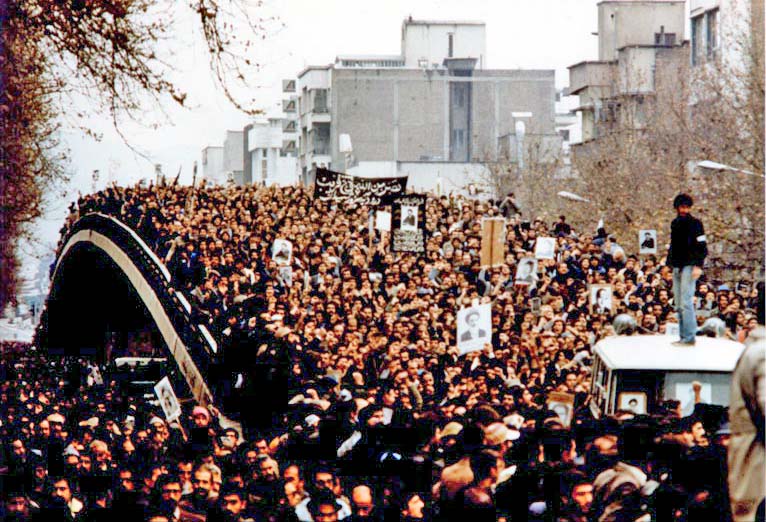
On the ground in Iran, Report 1 (filed 06:15:59 UTC) describes Khamenei’s body being airlifted by helicopter to Qom, where large crowds joined a funeral procession at the Jamkaran Mosque. That visible mass mobilization shows the state’s ability to orchestrate public displays of loyalty, but it also underlines the scale of the political moment: a supreme leader is gone, succession arrangements are opaque, and key security institutions – notably the IRGC – become the arbiter of both internal order and external posture.
At sea, the tanker attack reports (Report 10) are partial and framed within Iranian hardline rhetoric, so confidence in the operational details is medium but strategically significant. The specific mention of a Qatari gas tanker points to potential friction with Doha at a time when Qatari LNG is central to Europe’s diversification away from Russian gas. Any perception that Qatari cargoes are vulnerable in the chokepoint immediately matters for charterers, insurers, and European utilities.
The human and commercial stakes are immediate: multinational crews on tankers and LNG carriers now face heightened risk of missile or drone attack, seizure, or ‘warning’ strikes. Shipowners and P&I clubs will reassess premiums and routing through Hormuz. Gulf states must weigh whether to surge naval escorts, request more visible U.S. cover, or seek de‑escalation with Tehran even as Iran’s chain of command is in flux.
Militarily, this pattern aligns with an IRGC playbook of calibrated maritime coercion, but the timing – in the middle of succession and in direct response to Trump’s threats – raises the probability of miscalculation. The IRGC’s control over missiles and drones gives it rapid escalation tools, while the U.S. Navy and regional partners have limited tolerance for repeated strikes on commercial shipping. A tit‑for‑tat cycle could move quickly from deniable harassment to overt confrontation in the world’s most critical energy chokepoint.
Markets will read this as a fresh layer of geopolitical premium on crude and LNG. Even isolated attacks can drive short‑term spikes in Brent and LNG spot prices as traders price in tail risk to Qatari, Emirati, and Saudi exports. Gold typically benefits on any hint of U.S.–Iran confrontation, while regional equities – especially in shipping, ports, and aviation – are exposed. Insurance rates for transiting Hormuz are likely to rise, pressuring freight costs and potentially narrowing arbitrage for Atlantic vs. Pacific energy flows.
In parallel, Trump’s expected trip to Ankara to discuss restoring Türkiye’s access to the F‑35 program – reported by The New York Times at 06:10:48 UTC and echoed in Report 4 – signals an attempt to pull Ankara back into the U.S. defense orbit at the very moment Iran is lurching into a harder posture. If Washington offers a clear pathway for Türkiye to shed the Russian S‑400 system in exchange for F‑35s, that would undercut Russian defense exports and tighten NATO’s southern airpower network just across from Iran and Syria.
Over the next 24–48 hours, key watch points include: independent confirmation of the tanker attacks (AIS data, shipowner statements, U.S. and Qatari government comments); any U.S. or allied naval repositioning in or near Hormuz; clearer signals on Iran’s interim leadership and IRGC political alignment during Khamenei’s mourning period; and concrete outcomes from Trump’s Ankara discussions on F‑35 access. A verified pattern of repeated tanker strikes, or an announced U.S. naval ‘enhanced escort’ mission, would elevate this from market‑moving warning to a potential flashpoint with direct implications for global energy security.
MARKET IMPACT ASSESSMENT: High near-term risk premium for crude and LNG shipping exposed to Hormuz; potential upward pressure on oil, gas, and gold, and volatility in tanker and insurance names. Defense equities in the U.S. and Türkiye could benefit from renewed F‑35 access, while Russian defense exports face incremental competitive pressure. Iranian political uncertainty and security council rhetoric increase tail-risk pricing for Iranian-linked assets and regional EM FX.
Sources
- OSINT