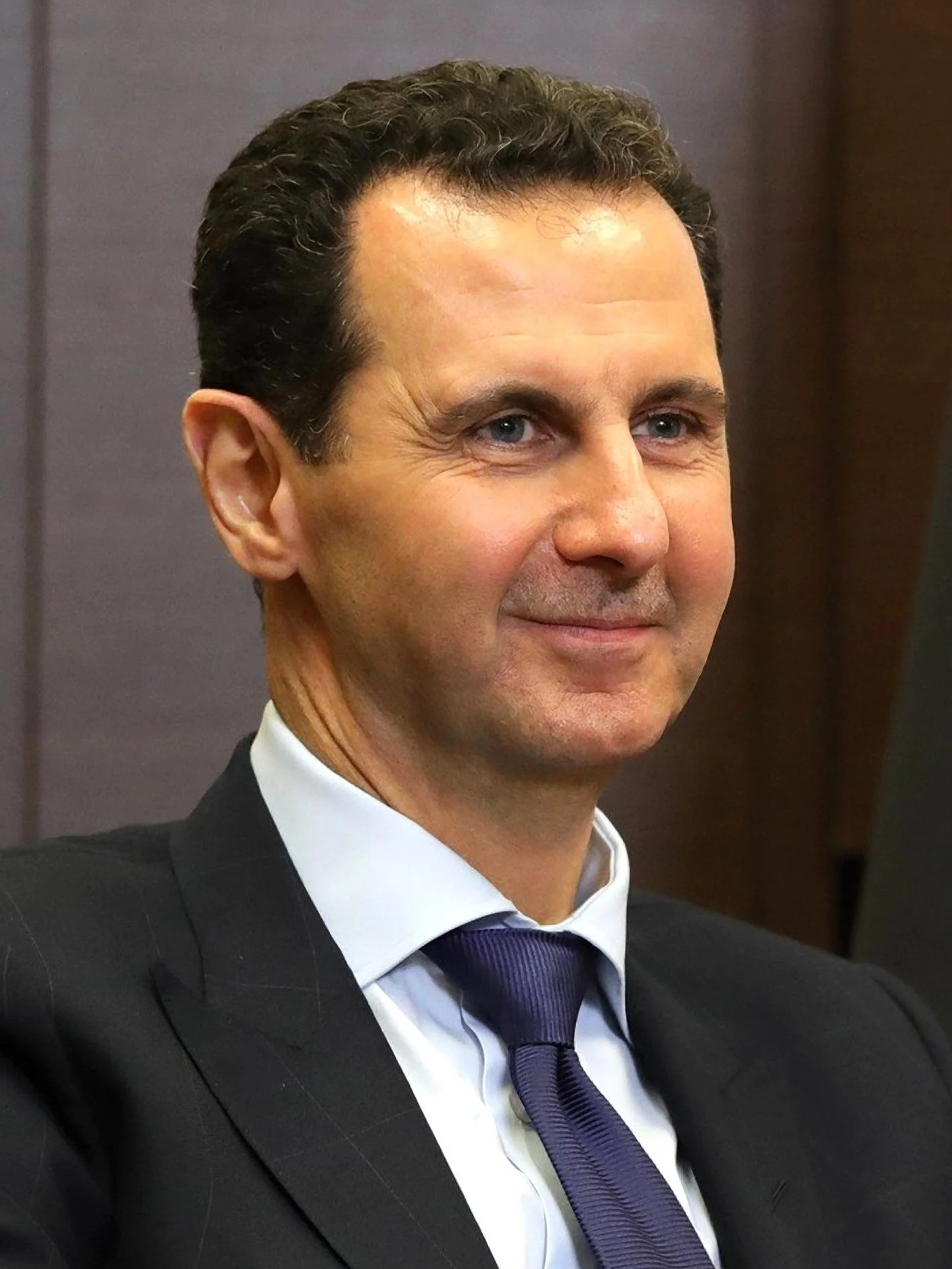
Macron Visit to Damascus Signals Potential Western Rethink on Assad, Regional Order
Severity: WARNING
Detected: 2026-07-07T06:06:30.110Z
Summary
Reports at 06:04 UTC say French President Emmanuel Macron has landed in Damascus for an official visit, a major diplomatic breach of Syria’s post-war isolation. A Western head of state engaging Assad on Syrian soil could reshape sanctions calculus, reconstruction finance, refugee policy, and regional energy routes, forcing Europe, Russia, Iran, Türkiye, and Gulf states to recalibrate their positions.
Details
French President Emmanuel Macron’s arrival at Damascus International Airport around 06:04 UTC marks a striking diplomatic move: a sitting leader of a core EU and NATO state meeting Syria’s regime on its own territory after more than a decade of Western efforts to isolate Bashar al-Assad. If confirmed as an official visit with Assad, this is a potential inflection point for Syria’s political status, with direct implications for sanctions policy, regional security balances, and future capital flows into reconstruction and energy infrastructure.
The report states Macron landed at Damascus International Airport “at the start of an official visit to Syria.” No further details on agenda, delegation composition, or meetings are given yet, and there is no parallel confirmation from the Élysée in this feed. Still, the language of “official visit” and use of the main commercial/military gateway into the capital suggest at least tacit coordination with the Syrian government and its security guarantors, Russia and Iran. Timing at roughly 06:00–06:05 UTC indicates this is fresh, with markets in Europe yet to fully price any potential policy shifts.
The immediate human stakes are high. For Syrians inside the country, an opening to a major EU state could eventually mean more humanitarian access, reconstruction money, and a pathway to easing some crushing economic sanctions that have helped drive poverty and fuel out-migration. For the 5–6 million Syrian refugees in Türkiye, Lebanon, Jordan, and Europe, a change in Western posture could alter return expectations, asylum policies, and host-state domestic politics. European publics and Syrian diaspora communities will read this visit as a signal on how much accountability for war crimes and chemical weapons use remains on the table versus a pivot to “stability-first” engagement.
Strategically, a French opening to Damascus alters the diplomatic chessboard. Russia and Iran, the key military backers of Assad, may see a chance to legitimize their gains and bring European capital into reconstruction under their security umbrella. Gulf states, some of which have already reengaged Assad, will watch whether Paris is prepared to challenge or complement their own normalization efforts. Türkiye, with troops in northern Syria and a large refugee burden, faces direct consequences if France presses for border arrangements, safe zones, or energy/transit projects that cut across Turkish red lines.
For markets, the visit itself is not yet a tradeable macro shock, but it reshapes expectations. A credible path to partial sanctions relief on Syria over the coming years could open multi-billion-euro reconstruction contracts in infrastructure, housing, transport, and power—opportunities for French and European engineering, construction, and utilities firms. Eastern Mediterranean energy plans—gas exploration, transit pipelines, and electricity interconnectors crossing or skirting Syrian territory—could move from frozen concept to longer-term optionality on the back of a normalized Damascus. European political risk premia around refugee surges and IS resurgence could evolve if the visit ushers in more coordinated security arrangements.
In the next 24–48 hours, key watch points are: (1) whether Macron meets Assad personally and what joint statements, if any, emerge; (2) any mention of sanctions, reconstruction, or humanitarian corridors in French or EU communiqués; (3) reactions from Washington, Berlin, Brussels, Ankara, Moscow, Tehran, Riyadh, and Doha, especially any signs of intra-Western split; and (4) early price moves in Eastern Med energy names, French large-cap industrials with MENA exposure, and regional FX. Traders should treat this as a potential starting gun for a policy reconfiguration around Syria rather than a one-off photo opportunity.
MARKET IMPACT ASSESSMENT: Potential medium-term impact on European foreign policy, Syria sanctions posture, and regional energy/transit projects; watch EU equities with Syria exposure (construction, engineering), Eastern Med energy names, and FX of regional players (TRY, ILS, EGP) for sentiment shifts if this visit leads to policy changes.
Sources
- OSINT