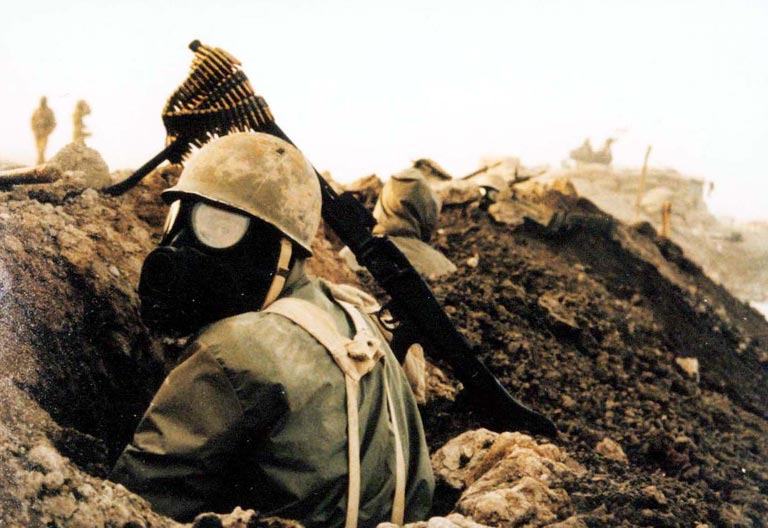
Reports: Iran-Supplied Rockets Now Arming Sudanese Army Units on Frontline
Severity: WARNING
Detected: 2026-07-03T14:17:07.807Z
Summary
New frontline footage posted around 14:01 UTC shows Sudanese Armed Forces fighters employing Iranian-made 107mm Fadjr-1 rockets, indicating recent deliveries from Tehran into an active civil war. If sustained, this Iran–Sudan arms channel could deepen the conflict, complicate Red Sea security, and test Western sanctions architectures already strained by Iran’s support to other proxy theaters.
Details
Frontline video geolocated to Sudan and posted shortly before 14:01 UTC on 3 July shows a Sudanese Armed Forces (SAF) unit using Iranian-manufactured 107mm Fadjr‑1 artillery rockets, described in the reporting as 'seemingly part of a recent supply.' The same unit is also seen with Azerbaijan-made AZ‑7.62 assault rifles. This is a rare, on-camera confirmation that Iran’s short-range rocket systems have reached regular SAF formations in the current Sudanese war, rather than only irregular or proxy actors.
The report identifies the fighters as affiliated with the SAF, not the rival Rapid Support Forces (RSF), and explicitly calls out the Fadjr‑1 origin as Iranian. The timestamped post is 2026‑07‑03 14:01:50 UTC, with visual evidence circulated on open social media (X) and amplified by conflict-tracking accounts. While we lack independent confirmation from governments at this hour, the weapons shown are consistent with known Fadjr‑1 design and paint scheme, and Iran has a long record of exporting this class of rocket to partners across the Middle East.
For civilians and traders in Sudan and along the Red Sea corridor, the appearance of fresh Iranian munitions signals a conflict that is being sustained and upgraded rather than exhausted. Extended rocket capabilities strengthen whichever side receives them, increasing the lethality and radius of bombardment around contested urban areas and logistical hubs. Humanitarian operations, already constrained by fighting and blockades, risk further disruption if either side gains confidence to prosecute deeper fires against rival supply lines and river/road corridors.
From a security standpoint, Iran’s ability to move Fadjr‑1 systems into Sudan despite sanctions is significant. It suggests either an air or maritime logistics route resilient enough to move bulk munitions, and a political decision in Tehran to openly back the state military rather than a deniable militia. This could shift battlefield dynamics if the SAF leverages the rockets for sustained indirect fire campaigns against RSF positions near Port Sudan, Omdurman, or key junctions on the Nile. It also increases the risk that Sudan’s war further entangles Iran with rival Gulf patrons of other Sudanese factions, hardening proxy competition in the Red Sea basin.
Markets and supply chains are not immediately hit, but the directional risk is clear. More capable rockets in Sudan raise the floor on potential strikes near ports, storage depots, and road networks that feed into Red Sea export routes. Insurers and shipping operators already wary after Houthi attacks in the southern Red Sea now face the prospect of another Iranian-armed actor along the same maritime system. Defense and surveillance technology suppliers to Gulf states and Egypt may see incremental demand if regional capitals judge that Tehran is building a contiguous arc of rocket-capable partners from Yemen and Sudan up toward the Levant.
Over the next 24–48 hours, key indicators to watch are: any official Iranian or Sudanese comment on defense cooperation; evidence of new cargo flights or unusual maritime movements between Iran, the Red Sea, and Sudanese ports; and whether RSF-linked channels claim parallel foreign arms support to rebalance. Confirmation by Western or regional intelligence services that this is an ongoing supply line—rather than a one-off transfer—would materially raise risk assessments for Red Sea shipping and could trigger renewed debate over interdiction and sanctions tightening.
MARKET IMPACT ASSESSMENT: Short-term direct market impact is limited, but confirmation of Iran-to-Sudan arms flows raises medium-term risk premia around Red Sea shipping, Suez-linked trade, and insurance for vessels near Sudanese waters. It also signals Iran’s growing ability to export arms despite sanctions, with implications for oil sanction enforcement and regional defense equities.
Sources
- OSINT