US Move to Cut UN Backing Threatens to Unwind Somalia Peacekeeping Mission
Severity: WARNING
Detected: 2026-07-03T09:07:08.371Z
Summary
A U.S. decision to block UN support for the African Union mission in Somalia from early 2027 could force the operation to shut down, removing the main external brake on al-Shabaab and other jihadist groups. A relapse into wider conflict would hit civilian populations first, but also raise costs and risks for Red Sea–Indian Ocean shipping, regional investors, and Western counterterrorism posture.
Details
U.S. resistance to continued UN support for the African Union peacekeeping mission in Somalia is creating a 2027 cliff edge for one of the most fragile security arrangements in the Horn of Africa. According to documents seen by Reuters and cited at 08:50 UTC on 3 July, Washington has informed partners it will prevent the UN from backing the African Union Transition Mission in Somalia (ATMIS) from the start of 2027. Officials quoted by Reuters say the move is likely to end the mission’s operations.
The reports indicate that, absent U.S.-backed UN financing and logistical support, the AU mission may not be financially viable beyond its current mandate. The U.S. position appears firm enough that UN planners and regional governments are now working from the assumption that current support will terminate. There is no indication yet of a fully funded replacement framework. Publicly available information does not suggest an immediate drawdown; the turning point is the 1 January 2027 date when UN support would cease.
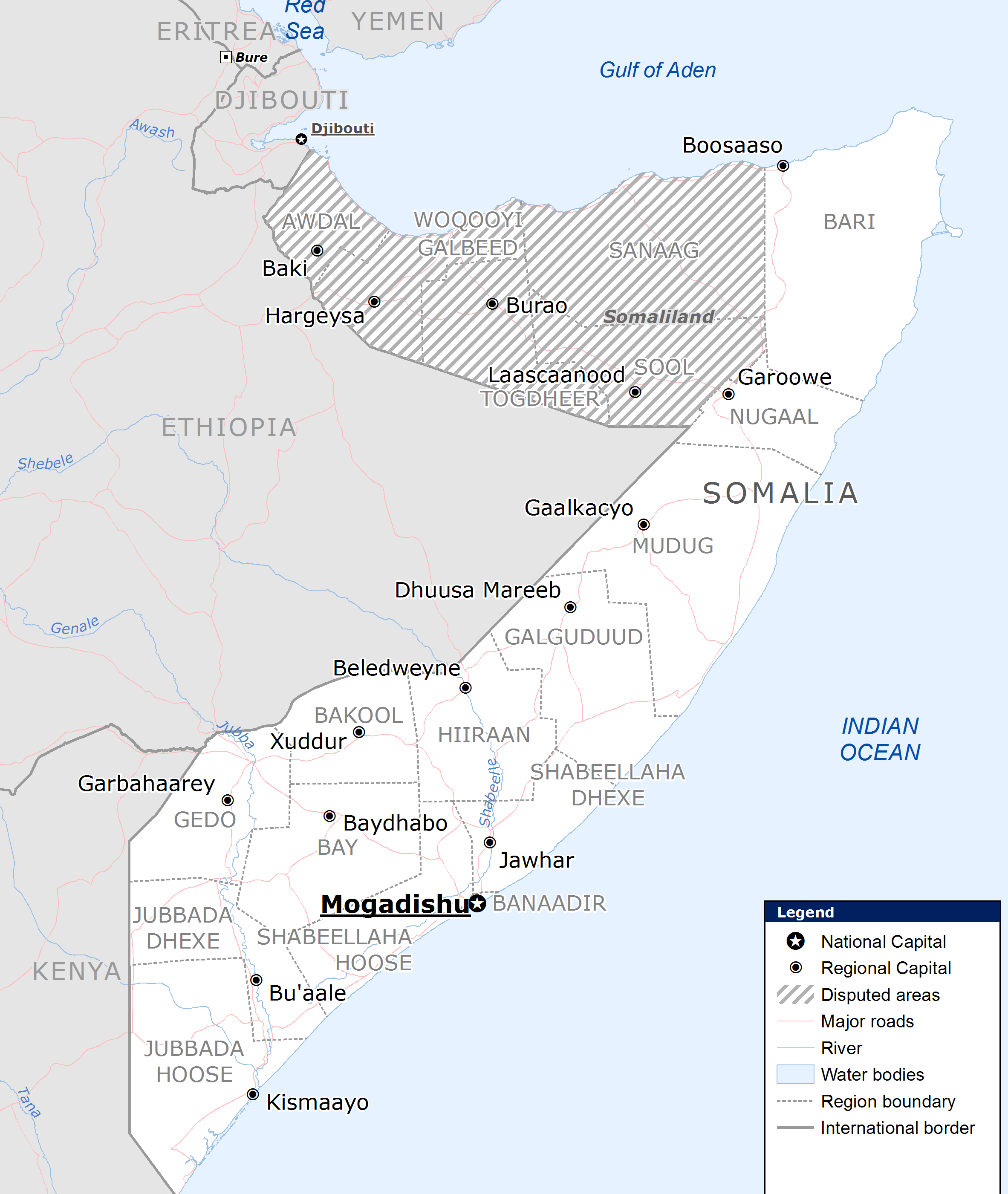
The human stakes are acute. ATMIS and its AMISOM predecessor have been the main external barrier preventing al‑Shabaab from retaking key urban centers, including Mogadishu. A forced or underfunded exit could expose Somali civilians and government institutions to renewed large-scale attacks and territorial losses. Neighboring countries—especially Kenya, Ethiopia and Djibouti—face heightened risk of cross‑border incidents and refugee flows if Somalia’s security architecture unravels.
For security planners, the likely end of UN backing shifts the balance on the ground. Somalia’s national forces remain uneven and dependent on external training, air support and logistics. If AU troops depart on a fixed schedule without a capable Somali takeover, al‑Shabaab could regain freedom of movement across strategic corridors, including approaches to Mogadishu, key road links, and areas near the coast. Western counterterrorism operations, already calibrated around an AU–UN framework, would need rapid redesign, increasing operational uncertainty and potential for miscalculation.
Markets and supply chains are indirectly exposed. The Horn of Africa sits astride routes linking the Suez Canal and Bab el‑Mandeb to the Indian Ocean. A more permissive environment for jihadist networks in Somalia can translate into higher maritime security risks for tankers, container shipping, and offshore energy or telecom infrastructure, even if the main piracy threat has shifted westward toward the Gulf of Guinea. Insurers may gradually re‑price risk for calls near Somali waters and for investments in regional ports, pipelines, fiber cables and power corridors. Investor sentiment toward East African sovereigns and infrastructure projects could sour if Somalia appears to be sliding back toward state failure.
Over the next 24–48 hours, watch for official U.S., UN, AU and Somali government statements that either confirm the hard 2027 cutoff or signal scope for compromise. Key indicators include: whether European donors step forward with alternative funding models; any AU planning for a smaller, more targeted follow‑on force; and signals from Kenya and Ethiopia about bilateral or unilateral security measures. Traders should track any movement in East African Eurobonds, credit default swaps, and insurance guidance for Red Sea–Gulf of Aden routes as risk models are updated.
MARKET IMPACT ASSESSMENT: Raises medium-term risk premia for Horn of Africa sovereign debt and infrastructure projects, marginally increases maritime security costs in the Gulf of Aden/Western Indian Ocean, and could influence insurance pricing for shipping and energy assets tied to East Africa.
Sources
- OSINT