Reports: Iran Nuclear Stockpile Uninspected as U.S.–NATO Rift and ECB Jolt Deepen Risk
Severity: WARNING
Detected: 2026-07-03T07:27:04.386Z
Summary
IAEA chief Rafael Grossi says Iran’s enriched uranium stockpile remains at nuclear sites but out of reach of inspectors since last summer’s war, locking in nuclear opacity in the Gulf. Simultaneously, U.S. officials reportedly tried to push major troop cuts in Europe, and Les Echos reports ECB President Lagarde is weighing early resignation to enter French politics. The combination raises hard security risk in the Middle East, questions NATO’s backbone, and injects fresh uncertainty into eurozone monetary strategy.
Details
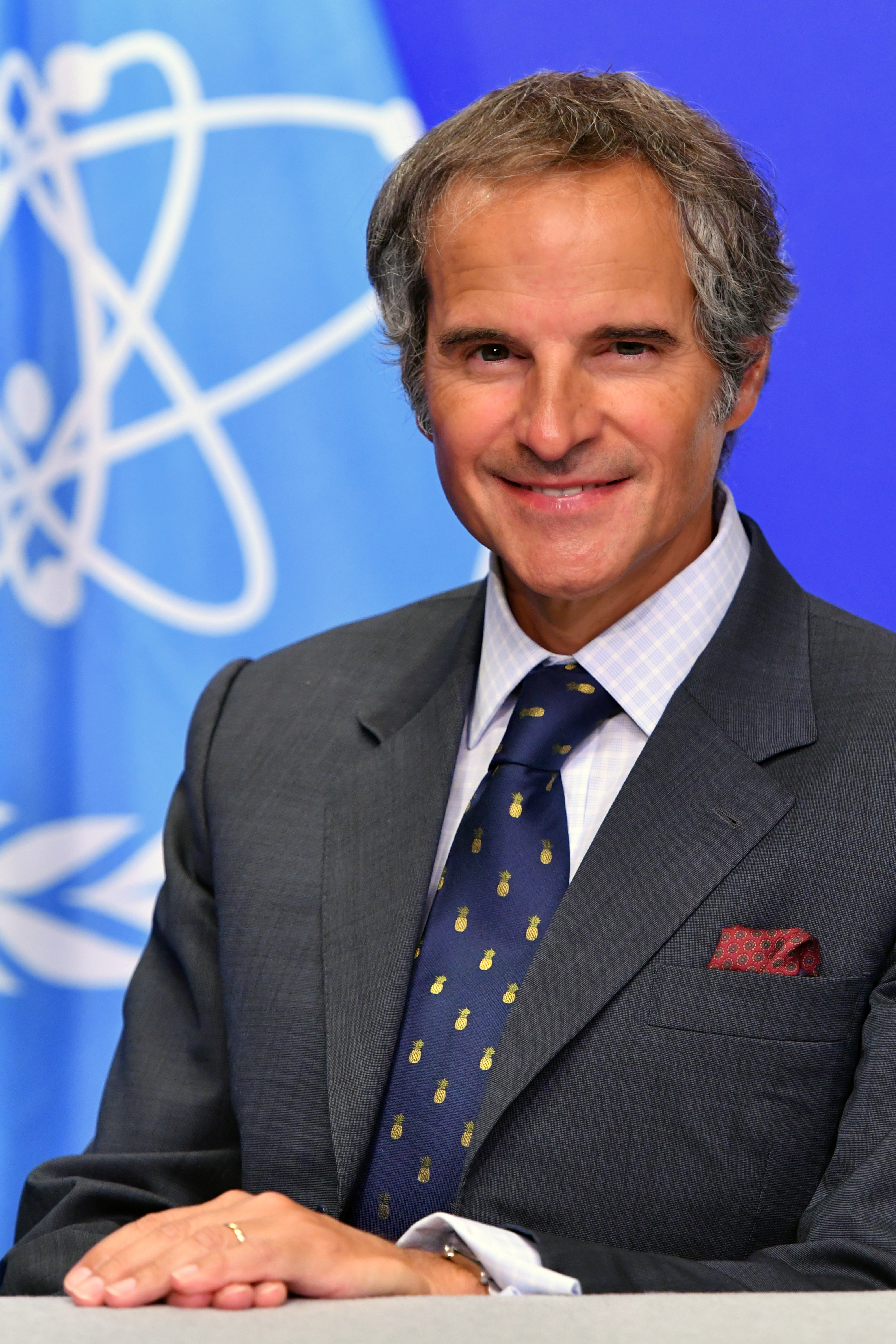
IAEA Director General Rafael Grossi has told Sputnik that Iran’s enriched uranium stockpile is believed to remain inside its nuclear facilities, but inspectors have been blocked from access since inspections stopped after the 12‑day war last summer. He cited satellite imagery showing no major outward movement of material, while also saying that access to damaged sites is currently denied.
Grossi’s comments, filed around 06:26 UTC, mean that for more than half a year the international system has effectively been blind to Iran’s most sensitive nuclear holdings. The IAEA has a “reasonable impression” that the stockpile is still in place, but this is based on remote sensing rather than on‑site verification. For Israel, Gulf states, and Western capitals, that converts a contained nuclear file into a live intelligence gap at a time of frequent Israeli–Iranian proxy clashes and repeated attacks on regional energy infrastructure.
For people and businesses in the region, this increases the risk that any sudden intelligence revelation — or suspected covert move by Tehran — could trigger rapid Israeli or U.S. military action against Iranian nuclear sites. That would immediately threaten Gulf export terminals, tanker traffic in the Strait of Hormuz, and onshore energy infrastructure across Iran and its neighbors. Shippers, insurers, and LNG buyers are directly exposed to miscalculation along this fault line.
Parallel reporting from the Wall Street Journal, timestamped 07:00 UTC, says U.S. Defense Secretary Pete Hegseth intended to announce major U.S. troop cuts in Europe at a NATO meeting last month, but was blocked by senior Trump administration officials including Marco Rubio. Instead, Hegseth publicly announced only a six‑month review of force levels. This confirms that a substantial reduction in the U.S. forward military presence in Europe is an active policy option, not just rhetorical pressure.
For NATO frontline governments in the Baltics and Eastern Europe, this raises the probability that deterrence against Russia may be materially weakened within months, depending on the review outcome and U.S. domestic politics. Defense planners will hedge by seeking more European‑funded capabilities and by intensifying bilateral security talks with the U.S. and U.K. Defense contractors on both sides of the Atlantic gain leverage as governments consider backfilling any U.S. drawdown with local forces and hardware.
At 06:49 UTC, Les Echos reported that ECB President Christine Lagarde has signaled she could resign before the end of her term to enter the French political arena. Even as an early‑stage political trial balloon, this introduces uncertainty about the continuity of ECB leadership and the balance of power among hawks and doves on the Governing Council just as markets are trying to price the end‑phase of the eurozone rate cycle.
For eurozone households and corporates, leadership instability at the ECB risks more volatile borrowing costs and makes it harder for fiscal authorities to coordinate with monetary policy on high‑debt states, especially Italy and France. For markets, this is a volatility event: the euro could see knee‑jerk pressure, peripheral spreads are vulnerable to widening on succession risk, and banks with heavy sovereign exposure may underperform.
In combination, the IAEA’s inability to verify Iran’s nuclear stockpile, visible U.S. internal pressure to dilute NATO’s forward posture, and possible early ECB leadership turnover all point to higher geopolitical and policy risk premia. Watch for: any Israeli or U.S. public statements on Iran’s nuclear transparency over the next 24–48 hours; signals from the Trump team or NATO capitals on acceptable troop levels in Europe during the ongoing six‑month review; and ECB and French government responses to the Lagarde report. Any confirmation on these fronts could move oil and gold sharply, pressure the euro and European banks, and reprice European sovereign risk.
MARKET IMPACT ASSESSMENT: Heightened nuclear opacity around Iran typically supports a risk premium in crude and gold, with potential upside for defense equities. Signs of serious internal pressure for U.S. troop cuts in Europe reinforce concerns about NATO credibility, which can weaken the euro versus the dollar, support defense stocks, and modestly lift European sovereign spreads. A potential early Lagarde exit raises questions over ECB leadership continuity and policy bias, potentially increasing euro and eurozone rates volatility and widening peripheral spreads.
Sources
- OSINT