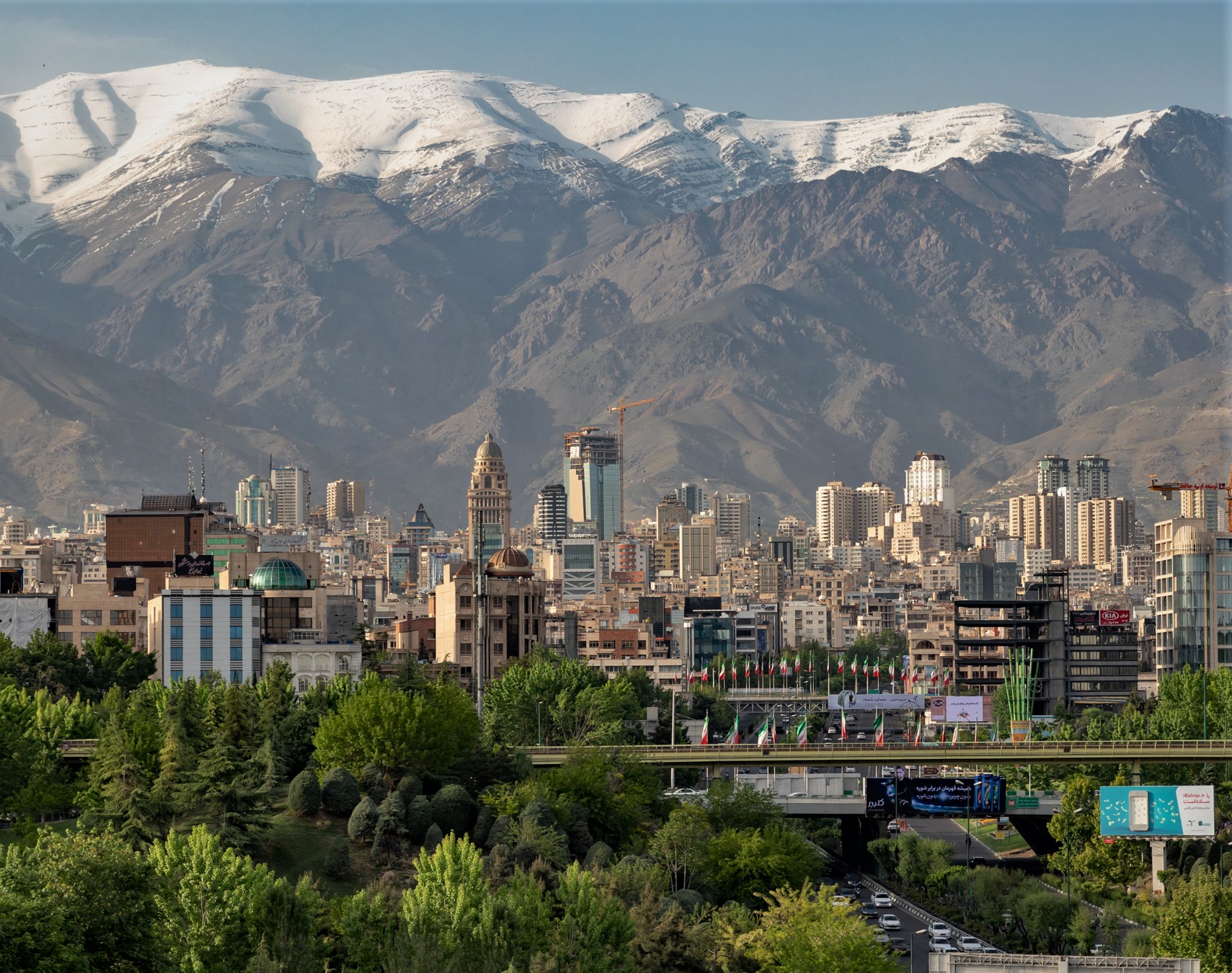
Iran Claims Oil Sanctions Lifted, $6B Funds Freed as Trump Flags Doha Meeting
Severity: WARNING
Detected: 2026-06-29T12:17:53.621Z
Summary
Tehran says sanctions on its oil and petrochemical sectors are lifted and $6 billion in funds in Qatar will be released, while Donald Trump says Iran has requested a meeting in Doha on Tuesday. If confirmed and durable, this reopens Iranian barrels to global markets and signals the first concrete pathway out of the U.S.–Iran sanctions regime in years, directly challenging Gulf, Russian and U.S. shale price assumptions.
Details
Iranian President Masoud Pezeshkian announced around 11:18 UTC that sanctions on Iran’s oil and petrochemical sectors have been lifted and that $6 billion of approximately $12 billion in Iranian funds held in Qatar will be released and transferred back to Iran, with efforts underway to recover the rest. Within the same hour, multiple posts at 11:32–12:01 UTC relayed Donald Trump’s claim on Truth Social that Iran requested a meeting with U.S. representatives in Doha, Qatar, scheduled for Tuesday, though at least one update notes unnamed Iranian officials denying that a meeting is formally scheduled.
Taken together, the statements point to an active and advanced negotiation track between Washington and Tehran that is already generating tangible concessions, at least from Iran’s perspective. Pezeshkian framed the agreement as a "major victory" for the Iranian people, explicitly tying it to relief on the country’s core export engines: crude oil and petrochemicals. If the sanctions relief is real and durable, this would mark the most significant reset in Iran’s economic isolation since the JCPOA era, opening the door for higher official oil exports, more transparent petrochemical trade, and repatriation of frozen assets.
For ordinary Iranians, the immediate stakes are access to hard currency and fiscal space. An injection of $6 billion in previously frozen funds, and the prospect of renewed energy exports under looser enforcement, could ease shortages, stabilize basic imports, and fund domestic spending. For Gulf neighbors and Israel, the picture is more complex: sanctions relief strengthens Tehran’s resource base and its ability to finance regional partners and proxies, even as a direct U.S.–Iran channel in Doha could reduce near‑term risk of miscalculation in the Gulf and Iraq.
On the security side, the move potentially cools, but does not eliminate, the chance of escalation. A diplomatic track in Doha offers Washington and Tehran a forum to manage flashpoints in the Strait of Hormuz, Iraq, Syria, and Yemen. However, rivals such as Israel and hardline factions in Iran could perceive the emerging arrangement as threatening or insufficient and respond with spoilers—through cyber operations, proxy attacks, or political pressure—to derail implementation. The ambiguity over whether a Doha meeting is formally fixed, with Iranian officials reportedly denying it is scheduled, underscores how fragile the process remains.
Market consequences could be substantial. Even the credible prospect of Iranian barrels returning at scale will weigh on forward oil curves and volatility. Trump separately highlighted that WTI is at $69 and “heading down,” explicitly tying price moves to "Denuclearization of Iran" efforts. Traders now have to reassess medium‑term supply from Iran—on top of already soft demand signals—and the pricing power of OPEC+ and Russia. Expanded Iranian petrochemical exports would pressure regional competitors in Saudi Arabia, Qatar and the UAE, and increase competitive stress for Asia‑based producers.
In the next 24–48 hours, watch for: (1) U.S. Treasury or State Department confirmations or clarifications on the scope and legal basis of any sanctions changes; (2) concrete shipping data—AIS signals and charters—showing whether Iranian crude flows normalize through recognized channels; (3) Qatari confirmation on the release and transfer timeline for the $6 billion; (4) domestic political reaction in Washington and Tehran, especially from hardline factions who may try to curtail or reverse concessions; and (5) any clear scheduling details or readouts related to the purported Doha meeting. Credible, written policy instruments from Washington and Doha will be the key indicators that this is a structural rather than tactical shift.
MARKET IMPACT ASSESSMENT: If fully implemented, lifting oil and petrochemical sanctions and unfreezing funds could materially increase Iranian export volumes over the coming months, pressure Brent/WTI prices lower, and weigh on rival producers’ spreads while supporting Iran-linked assets and impacting Gulf risk premia. FX implications include potential support for the rial (if capital controls allow) and pressure on GCC exporters and Russia via supply competition.
Sources
- OSINT