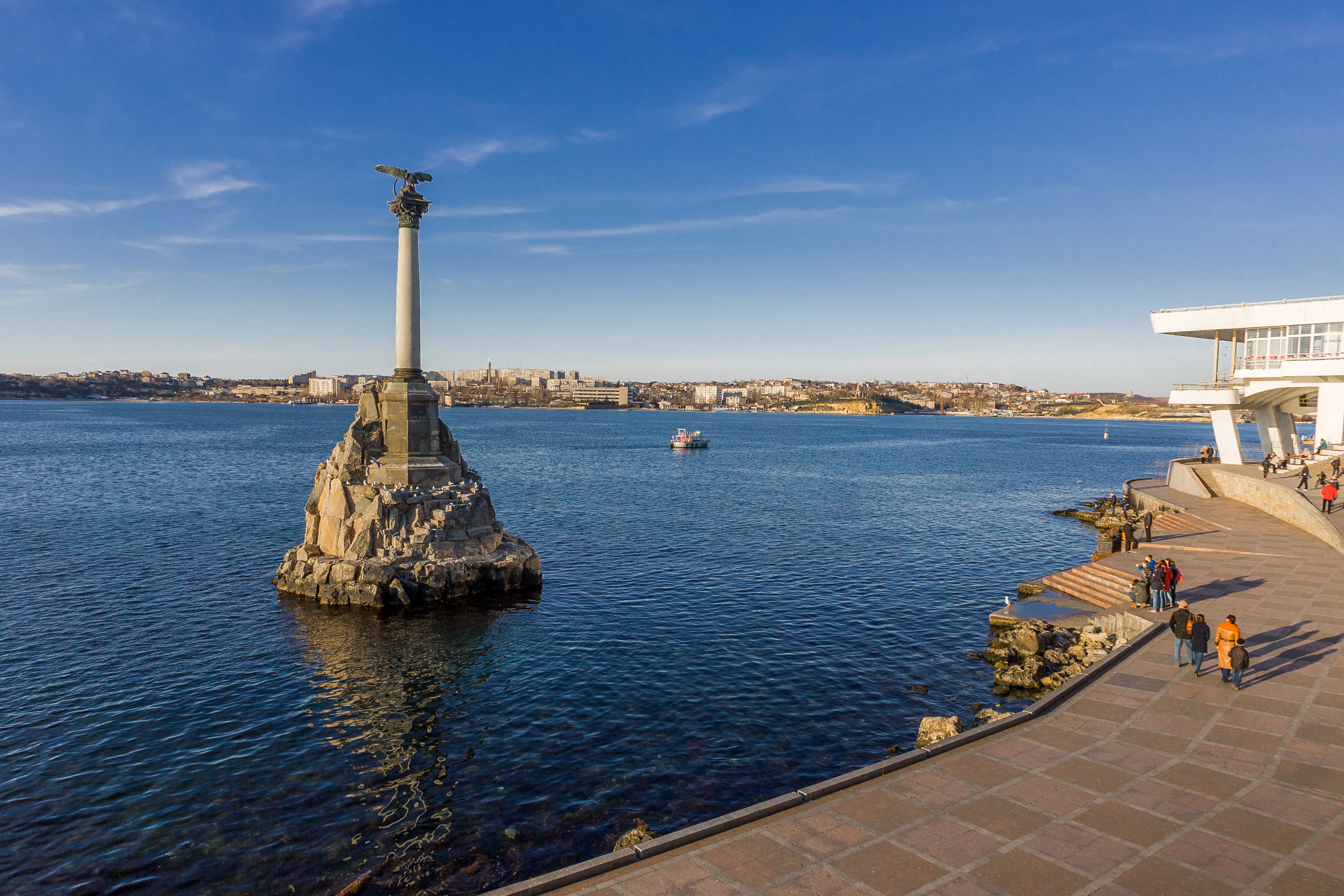
Reports: Ukrainian Drones Knock Out Power Across Sevastopol, Hitting Crimea Grid Node
Severity: WARNING
Detected: 2026-06-24T04:11:11.307Z
Summary
Ukrainian drones reportedly struck a 330 kV substation in Sevastopol around 04:00 UTC, plunging the Russian-held port city into a citywide blackout. The hit targets a critical node for sustaining Black Sea Fleet and air-defense operations, raising questions over the resilience of Russia’s military infrastructure in Crimea and the security of nearby shipping lanes and industrial sites.
Details
Around 04:01 UTC, multiple open-source channels reported that 3–6 Ukrainian drones impacted a 330 kV electrical substation in Sevastopol, Crimea, triggering power outages that affected the entire city. If confirmed, the strike represents a deliberate attack on a high‑voltage node critical to the functioning of Sevastopol’s urban grid and the military facilities that anchor Russia’s presence in the Black Sea.
Current reporting, repeating the same account from several OSINT channels, states that a cluster of Ukrainian UAVs hit the substation, causing a citywide blackout. Sevastopol is the primary home port for Russia’s Black Sea Fleet and hosts key command, logistics, air‑defense, and repair facilities. A 330 kV substation is a central junction in regional transmission; taking it offline can disrupt not only households and civilian services but also dockside operations, radar sites, and command centers that lack hardened or sufficient backup power. There is no confirmed casualty count yet, and Russian official channels had not issued a detailed statement by 04:15–04:20 UTC.
For civilians, a sudden blackout in a city of this size means immediate stress on hospitals, water pumping, communications, and transport. Backup generators, where available, will prioritize critical sites, but prolonged outages risk shortages, data loss, and disruption to banking and retail payment systems. For businesses tied into Sevastopol’s port and services economy, even a temporary suspension of power complicates cargo handling, repair work, and fuel distribution.
Militarily, this strike aligns with Ukraine’s ongoing effort to degrade Russian capabilities in Crimea by targeting air‑defense sites, fuel depots, and logistics nodes behind the frontline. Hitting a 330 kV substation escalates focus on the enabling infrastructure that keeps radar, missile batteries, and naval support functions running. If outage duration is extended, Russia may have to divert mobile generators and engineering units to restore grid resilience, potentially forcing trade‑offs with front‑line support. The attack also highlights gaps in Russian air defense coverage against small UAV swarms over a heavily militarized city.
From a market perspective, there is no direct hit on oil or gas export infrastructure, nor on major commercial shipping in the Black Sea today. However, repeated successful Ukrainian strikes deep into Crimea gradually raise perceived operational risk for insurers and shippers transiting nearby lanes, especially for grain exports and coastal bunkering operations. Defense equities tied to UAVs, air defense, and electronic warfare capabilities remain structurally supported as both sides show the vulnerability of fixed power and command assets.
Over the next 24–48 hours, watch for: (1) duration of Sevastopol’s blackout and any evidence of lasting damage to high‑voltage infrastructure; (2) Russian retaliatory strikes on Ukrainian energy or urban centers framed as response; (3) any adjustments to Black Sea Fleet movements, port usage patterns, or reported disruptions to local fuel and ammunition logistics; and (4) statements from Ukraine suggesting a broader campaign against Crimea’s grid and command‑and‑control backbone. A series of similar hits on critical nodes across Crimea would mark a significant shift in the theater’s risk profile and could begin to weigh more visibly on regional shipping and Russian risk assets.
MARKET IMPACT ASSESSMENT: Limited immediate market reaction expected, but any sustained degradation of Sevastopol’s military and logistics functions could add incremental risk premia to Black Sea grain shipping, regional energy infrastructure, and defense-related equities. Russian risk assets and the ruble could see modest pressure if follow-on strikes deepen perceptions of Crimea’s vulnerability.
Sources
- OSINT