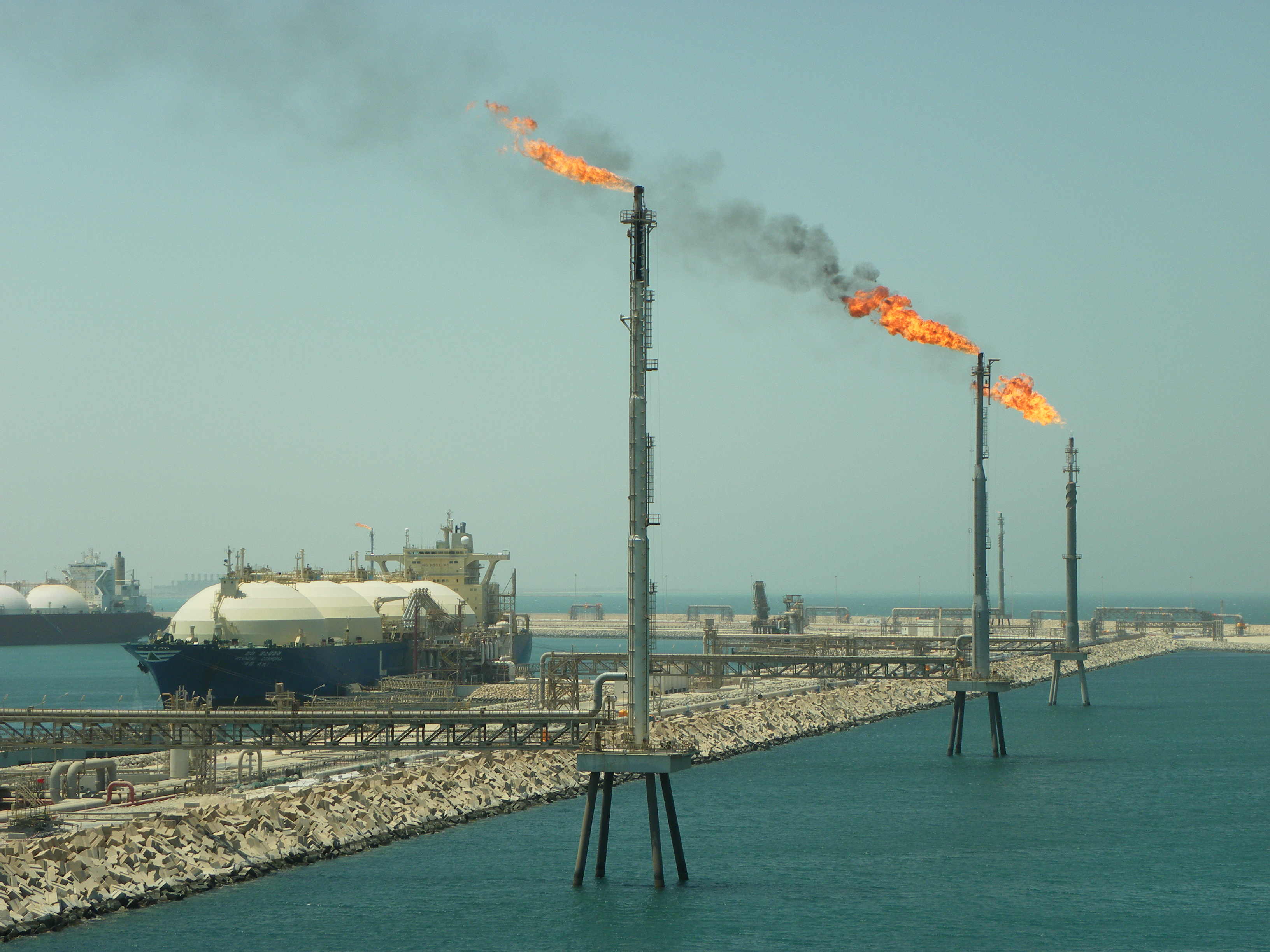
Reports: Deadly Explosion Hits Qatar’s Ras Laffan LNG Hub, Injures Dozens, 18 Missing
Severity: WARNING
Detected: 2026-06-22T07:10:43.915Z
Summary
Qatar’s Interior Ministry and local reports say a powerful explosion overnight at the Ras Laffan industrial area, home to one of the world’s largest LNG production complexes, injured at least 54 people and left 18 missing as of around 06:50–07:00 UTC. Any sustained disruption at Ras Laffan would jolt global gas markets, tighten LNG supply to Europe and Asia, and force governments and utilities to re-run energy security plans within hours.
Details
A serious industrial accident has been reported at Qatar’s Ras Laffan gas complex, a critical node in global liquefied natural gas (LNG) supply. According to statements cited from Qatar’s Ministry of Interior around 06:53 UTC on 22 June and corroborating local channels, a powerful overnight explosion in the Ras Laffan industrial area injured at least 54 people and left 18 missing. Early official messaging points to a “technical malfunction” rather than sabotage, but the scale of casualties and the strategic location immediately elevate global energy risk.
Ras Laffan hosts one of the world’s largest LNG production and export centers, underpinning Qatar’s position as a top-tier LNG supplier to Europe and Asia. The incident reportedly occurred “last night” local time, i.e. late 21 June or early 22 June, with details emerging publicly between 06:45 and 07:00 UTC. One earlier note claimed “no casualties,” but this has been overtaken by the Interior Ministry’s casualty figures, which are more authoritative and point to a serious event. There is still no clear, independently confirmed information on the extent of damage to LNG trains, storage, or marine loading facilities.
For people on the ground, the immediate stakes are life-and-death search and rescue operations for the 18 missing workers, treatment of more than 50 injured, and potential evacuation or shutdown of parts of the complex. For Qatar, Ras Laffan is an economic lifeline and a flagship of its LNG expansion; any perception that the hub is unsafe or offline even partially will be politically and commercially sensitive. Families of international contractors and maritime crews serving the terminal will be watching closely for confirmation of operational status and any secondary safety incidents.
From a security and industrial standpoint, the working assessment in local reporting is that this was a technical failure during operations, not an attack. However, in the context of elevated tensions in the wider Gulf and ongoing US–Iran negotiations referenced by mediators Qatar and Pakistan, any incident at a major gas hub will attract immediate scrutiny for possible foul play or opportunistic disinformation. Qatari authorities will be under heavy pressure to demonstrate control, restore safety, and transparently communicate whether critical LNG infrastructure was affected.
Market exposure is significant. Qatar is a cornerstone supplier to European utilities seeking to displace Russian pipeline gas and to Asian buyers locked into long-term contracts. Traders will focus on: (1) whether any LNG trains have been shut, (2) if berth operations at Ras Laffan port are paused or reduced, and (3) how long repairs might take. Even rumors of curtailed loadings can lift European TTF benchmarks and Asian spot LNG, spill over into broader gas curves, and support crude oil and refined product prices via substitution effects. Credit markets may reprice Qatar-linked energy issuers and insurance premia for Gulf energy assets could widen if damage proves extensive.
In the next 24–48 hours, the key watch points are: an official statement from QatarEnergy on plant and export status; evidence from shipping data on LNG carrier arrivals, departures, and any queuing or diversions at Ras Laffan; confirmation of whether the blast was confined to ancillary facilities or affected core production units; and any early price moves in European and Asian gas hubs. If exports continue largely uninterrupted, market reaction may be contained to a short-lived risk premium. If, however, Qatar announces a sustained output or loading reduction, expect a sharper repricing across global gas markets and renewed political focus in Europe and Asia on LNG supply security.
MARKET IMPACT ASSESSMENT: Headline risk for global gas and LNG markets with potential upward pressure on European TTF and Asian spot LNG if any capacity is curtailed. Energy equities, Qatar-linked bonds, and shipping/insurance names may react to perceived safety and reliability risks. If confirmed as non-terror and quickly contained with limited damage, price moves may fade; a prolonged outage would tighten LNG supply and support broader energy complex.
Sources
- OSINT