Reports: Iran Links Hormuz Reopening to Lebanon Ceasefire as Israel Digs In
Severity: WARNING
Detected: 2026-06-21T22:10:39.623Z
Summary
Negotiation leaks from Zurich say Tehran is refusing to reopen the Strait of Hormuz until a ceasefire in Lebanon is secured, directly weaponizing a vital oil and LNG artery. At the same time, Israel’s leadership is vowing to maintain ‘security zones’ in Gaza, Syria and southern Lebanon, signaling resistance to US pressure and raising the odds of a drawn‑out confrontation that keeps energy markets on edge.
Details
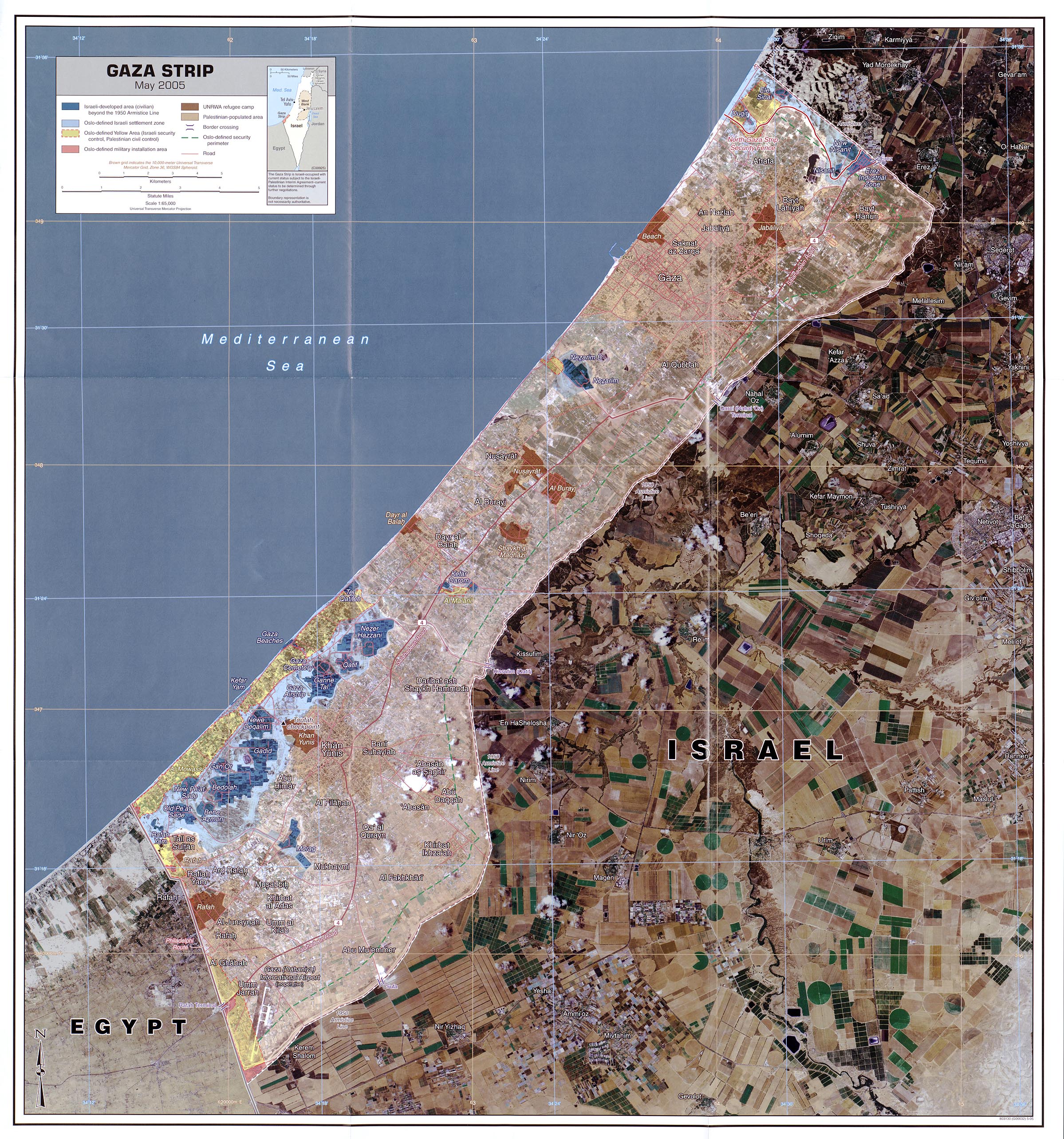
Iran is signaling that the Strait of Hormuz will stay effectively closed until guns fall silent in Lebanon, according to accounts of ongoing talks in Zurich between Iranian, Qatari, Pakistani and US delegations. In parallel, Israeli Prime Minister Benjamin Netanyahu and hard‑line ministers are publicly committing to maintain and even deepen “security zones” in Gaza, Syria and southern Lebanon. Together, these moves harden opposing positions, entangle a global energy chokepoint with the Lebanese front, and extend the timeline for both de‑escalation and normalization of energy flows.
According to the report filed at 22:01 UTC, Iranian negotiators in Zurich condemned what they called Israeli violations of the Lebanon ceasefire and stated that “Iran will not reopen the Strait of Hormuz until a ceasefire is established” there. While operational details of the closure are sparse, this statement, attributed to official delegation language, indicates Tehran is using Hormuz access as leverage over the Lebanon theater, not just over the Gaza or Iran–Israel exchange.
At 22:00 UTC, a separate report quotes Netanyahu asserting that Israel has “eliminated an existential danger” by striking Iran and pledging to maintain security belts in Gaza, Syria and southern Lebanon. Another 22:00 UTC dispatch cites National Security Minister Itamar Ben Gvir urging Netanyahu to defy US pressure and treat “all of Lebanon” as a military target, rejecting any distinction between the Lebanese state and Hezbollah.
For civilians in southern Lebanon, Gaza and border areas of Syria, this alignment of Iranian leverage and Israeli resolve suggests a longer period of displacement, infrastructure damage and constrained humanitarian access, as both sides tie their core security narratives to continued forward positions. For regional governments—especially in the Gulf—this raises the risk that local shipping, port operations and energy infrastructure remain exposed to tit‑for‑tat pressure while negotiations stall.
Militarily, Iran’s Hormuz stance, if translated into concrete interdictions or threats, forces US and allied navies to sustain high‑tempo presence operations in one of the world’s most congested maritime zones. It also increases the incentive for asymmetric attacks, deniable harassment of tankers and drones over Gulf shipping lanes. Israel’s insistence on holding terrain in southern Lebanon and Syria complicates any diplomatic end‑state and keeps a live risk of miscalculation with Iranian‑backed forces, including rocket and missile salvos that could trigger a wider regional exchange.
Markets face a structurally higher geopolitical premium. Even without a declared blockade, any perception that Hormuz is a bargaining chip depresses confidence in uninterrupted crude and LNG exports from Iran, Iraq, Kuwait, Saudi Arabia and Qatar. Traders will re‑price tail risks into Brent and WTI, steepen front‑end curves and push up LNG benchmarks, while shipping insurers reassess rates for Gulf transits. Eastern Mediterranean assets, Israeli equities and regional currencies remain vulnerable to further headline shocks.
Over the next 24–48 hours, watch for: (1) any public US acknowledgment or denial of Iran’s Hormuz linkage from the Zurich channel; (2) concrete changes in tanker routing, port calls and AIS behavior near Hormuz; (3) Israeli operational moves or new strikes in southern Lebanon or Syria that test the declared “security zones”; and (4) additional rhetoric from Tehran or Hezbollah that explicitly conditions de‑escalation on Israeli withdrawal. A breakdown in Zurich talks or a single high‑profile incident involving a tanker could rapidly push this from leverage to open disruption.
MARKET IMPACT ASSESSMENT: Heightened risk of prolonged constraints on crude and LNG flows through Hormuz, with upside pressure on Brent, gas benchmarks and shipping insurance; Israeli defiance of US pressure complicates any de‑escalation premium fade. Watch curves, implied vol and Eastern Med risk assets.
Sources
- OSINT