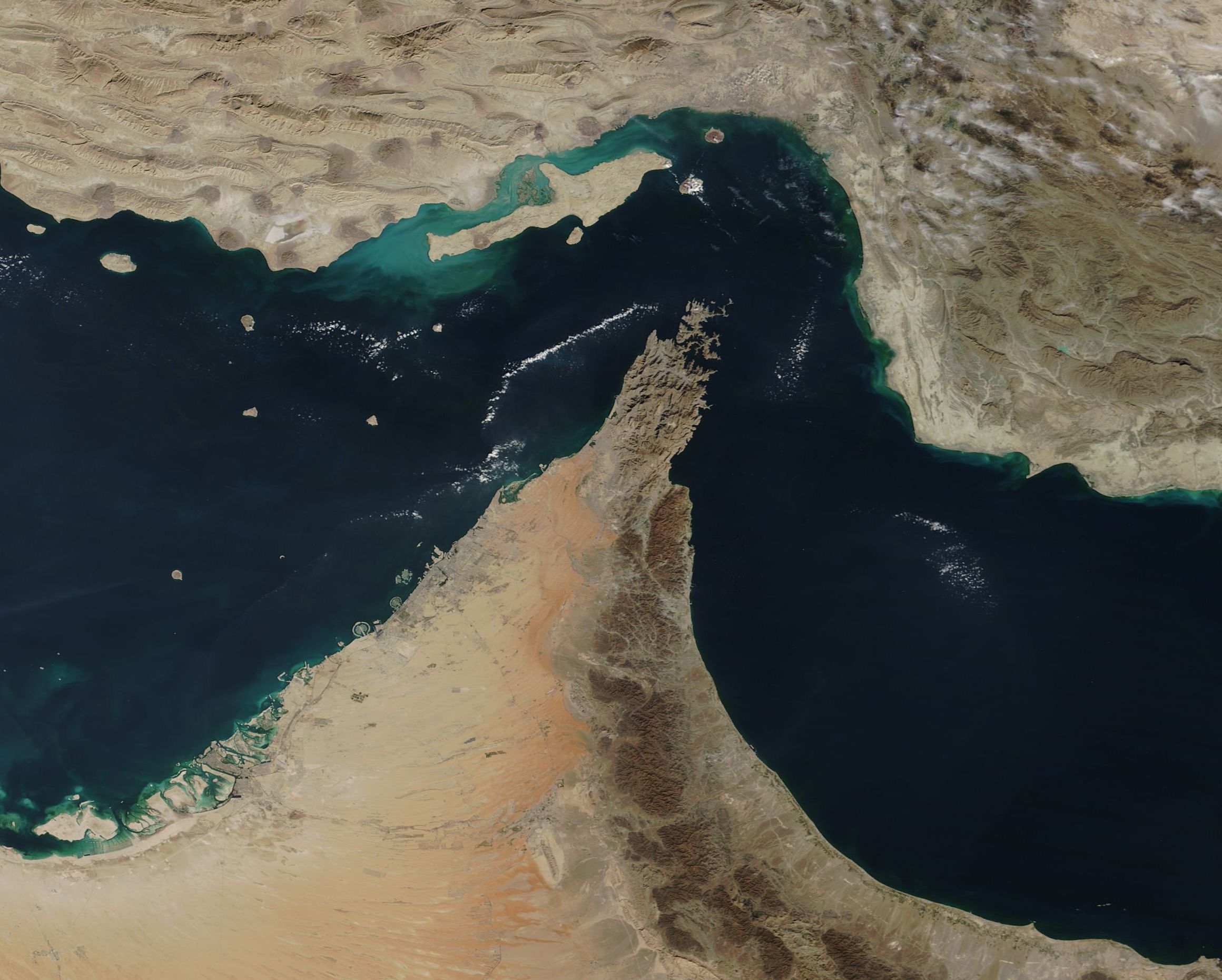
Iran Claims Strait of Hormuz Shut as US Reports Heavier Oil Traffic Through Corridor
Severity: FLASH
Detected: 2026-06-20T15:15:54.558Z
Summary
Iran’s top command and IRGC declared the Strait of Hormuz closed to all vessels around 14:30–14:40 UTC, warning ships they face a ‘security risk,’ while at 14:43–14:48 UTC US CENTCOM said 55 merchant ships, including over 17 million barrels of oil, transited safely today. The clash of narratives turns the world’s critical oil chokepoint into a live pressure tool in Iran’s dispute over Lebanon, raising miscalculation risk between U.S. and Iranian forces and forcing shipowners, insurers, and energy markets to price a potential supply shock.
Details
Around 14:14–14:17 UTC on 20 June, Iran’s IRGC Navy began publicly warning that the Strait of Hormuz was closed and that any vessel approaching would face security risks. By 14:26–14:39 UTC, Iran’s top military command and the IRGC had escalated this into an official declaration that the Strait is “completely closed” to all vessels, explicitly tying the move to alleged U.S. violations of an interim ceasefire arrangement and Israeli operations in Lebanon.
In parallel, at 14:43–14:48 UTC, US Central Command released a statement saying the opposite is occurring on the water. CENTCOM reported that commercial vessel traffic in the Strait of Hormuz actually increased on 20 June, asserting that safe passage “remained intact” and specifying that 55 merchant ships – carrying more than 17 million barrels of oil and large volumes of cargo – transited the waterway today. US forces are described as operating in the area to “support freedom of navigation” and remain “present and vigilant.”
The facts on the surface: there is no confirmed physical closure or kinetic engagement in the Strait as of 15:00 UTC. No ship seizures, blockages, or strikes are reported in this 30‑minute window. Iran’s statements are unilateral declarations and warnings; the US narrative is that ships are still moving under American security cover. However, the Iranian messaging elevates any routine transit into a potential flashpoint, effectively declaring that any vessel in the Strait is now inside a contested battlespace.
Human and commercial exposure is immediate. Crews on tankers, container ships, and LPG/LNG carriers are now transiting an area where one side claims ‘complete closure’ and threatens unspecified security action. Shipowners and charterers face a sharp reassessment of war‑risk insurance, potential refusal of crews to sail, and legal ambiguities about compliance with Iranian directions versus international navigation rights. Energy-importing states in Asia and Europe are directly dependent on flows through this corridor; even a short interruption would reverberate into fuel prices, power-generation costs, and inflation.
Militarily, the standoff places US and Iranian naval and air assets in close proximity under conditions of sharpened rhetoric and unclear rules of engagement. Iran is explicitly using the Strait as leverage over Lebanon‑related commitments, while simultaneously dispatching a high-level delegation – including the parliament speaker, foreign minister, and central bank governor – to Switzerland for talks with U.S. officials. This creates a dual‑track dynamic: negotiations under the shadow of a threatened chokepoint, with a non‑trivial risk that a misread signal, drone flight, or boarding attempt escalates into a direct clash.
For markets, the strategic risk is not today’s confirmed flow – which CENTCOM says is intact – but tomorrow’s. The Strait of Hormuz handles roughly a fifth of global oil and significant LNG volumes; even talk of closure has historically moved Brent and WTI several percent. War‑risk premiums for tankers are likely to widen quickly, with knock‑on effects on freight rates. Energy equities, particularly integrated majors and tanker operators, could benefit from a rising price deck but face greater operational and reputational risk. Gold and other safe‑haven assets are likely to see inflows as investors hedge a tail‑risk of kinetic confrontation.
Over the next 24–48 hours, watch for: any confirmed incident involving a commercial vessel (harassment, diversion, boarding, or missile/drone strike); explicit instructions from major shipping lines or insurers suspending or rerouting traffic; clarifications or walk‑backs from Tehran on what ‘closure’ entails in practice; and signals from Washington and Gulf capitals on reinforcement or de‑escalation measures. The trajectory of the Switzerland talks – especially on Lebanon and any linkage to maritime de‑escalation – will determine whether this remains a rhetorical squeeze or evolves into a real supply shock and a direct U.S.–Iran confrontation at sea.
MARKET IMPACT ASSESSMENT: Heightened upside risk to Brent and WTI via Strait of Hormuz threat premium, increased volatility in tanker rates and war-risk insurance, safe-haven bid to gold, and pressure on risk assets and Gulf equities if shipowners reroute or suspend sailings. FX impact likely in EM oil importers’ currencies and in GCC FX/rates via perceived security risk.
Sources
- OSINT