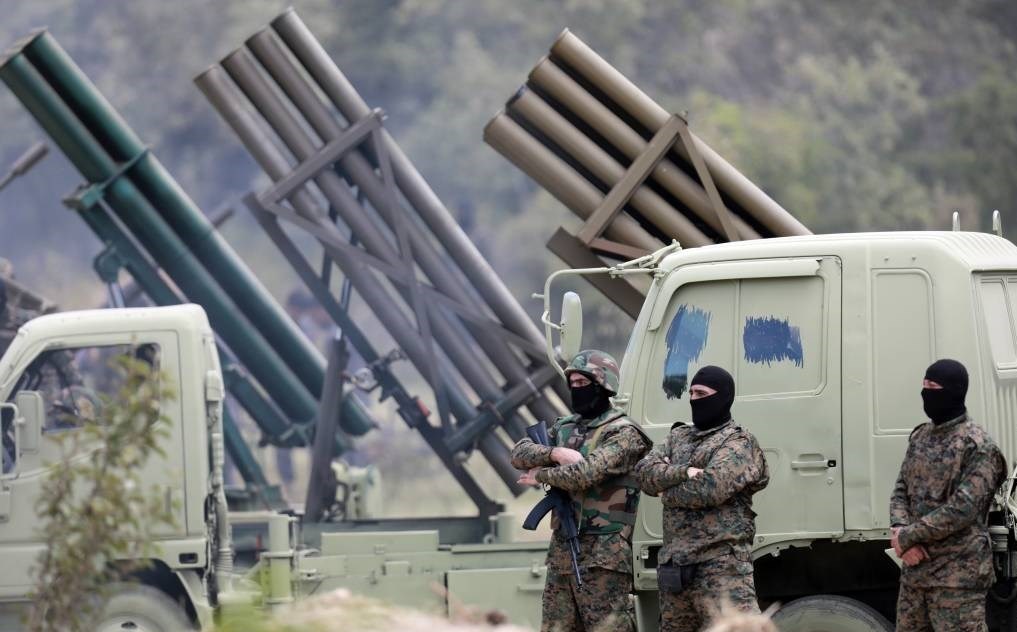
Reports: Hezbollah Kamikaze Drones Strike IDF Site in Northern Israel Again
Severity: WARNING
Detected: 2026-06-14T06:30:48.215Z
Summary
New OSINT indicates Hezbollah has launched further Sayyad‑2 kamikaze drone strikes on an Israeli military site in northern Israel around 06:05–06:10 UTC. Repeated UAV attacks on fixed IDF positions harden the northern front and increase the odds of an Israeli escalation into Lebanon that would put Eastern Mediterranean energy and regional trade at greater risk.
Details
Hezbollah-linked and conflict-tracking channels report that Hezbollah fighters launched another wave of loitering munition attacks on an Israel Defense Forces (IDF) position in northern Israel shortly before 06:05 UTC on 14 June, using Sayyad‑2 V‑tail kamikaze drones. Video posted on X and amplified by OSINT accounts shows multiple one-way attack UAVs flying toward what is described as an Israeli military site near the Lebanon border; battle damage assessment is not yet clear.
These strikes follow a pattern of Hezbollah using one-way drones against IDF border infrastructure rather than short-range rockets alone. The report attributes the systems used as commercially derived “Sayyad‑2” V‑tail OWA‑UAVs, consistent with previous Hezbollah capabilities. The timing (just after 06:00 UTC) and corroboration across several conflict-monitoring feeds give this moderate confidence, though there is no immediate IDF public confirmation and no verified casualty figures.
For civilians in northern Israel and southern Lebanon, this kind of attack deepens the sense that the border is an active war zone rather than a contained front. Communities near IDF positions face elevated risk from misdirected drones, counter-battery fire, and potential Israeli efforts to push Hezbollah assets farther from the frontier. On the Lebanese side, any Israeli response that extends beyond border outposts toward deeper logistical or political targets will raise displacement risk and further stress an already fragile economy and banking system. Insurers covering cross-border trade, tourism, and energy-related travel in the Levant will start repricing if these incidents grow more frequent or destructive.
Militarily, repeated Hezbollah drone use is pressuring Israel’s air defenses and surveillance network across two active fronts (Gaza and the north). Persistent kamikaze UAV threats can degrade sensors, radars, and fixed fortifications that anchor Israel’s border defense architecture. If Israel concludes that incremental defensive measures cannot contain Hezbollah’s drone campaign, it may opt for larger-scale air operations against UAV production, storage, or command sites deeper in Lebanon. That would risk drawing in other Iran-aligned groups and potentially trigger Iranian signaling, even if Tehran avoids direct engagement.
Markets will watch for any shift from tactical tit-for-tat to strategic targeting—especially of Lebanese infrastructure, Israeli gas platforms in the Eastern Mediterranean, or major ports like Haifa. A move toward sustained northern combat would likely widen risk premia on Israeli sovereign and corporate debt, pressure Tel Aviv equities, and lift Eastern Med gas-linked valuations and Brent crude via higher geopolitical risk. Regional EM currencies with exposure to Levantine trade could see modest safe-haven outflows.
Over the next 24–48 hours, key indicators include: (1) whether the IDF confirms the strike and discloses casualties or serious damage; (2) any Israeli air operations striking more than immediate launch areas in south Lebanon; (3) Hezbollah messaging framing this as part of a broader escalation campaign rather than isolated harassment; and (4) signs of heightened alert or protective measures around offshore gas platforms and northern Israeli ports. A transition from sporadic drone strikes to sustained salvos or larger missiles against strategic sites would materially raise both military and market risk.
MARKET IMPACT ASSESSMENT: No immediate hard data on damage, but persistent Hezbollah drone attacks along the Israel–Lebanon frontier increase event risk premia for Israeli assets, Eastern Med gas developers, and regional insurers. Any sign of Israeli escalation into deep Lebanon or strikes on infrastructure could lift Brent and gas prices and pressure regional EM FX and equities.
Sources
- OSINT