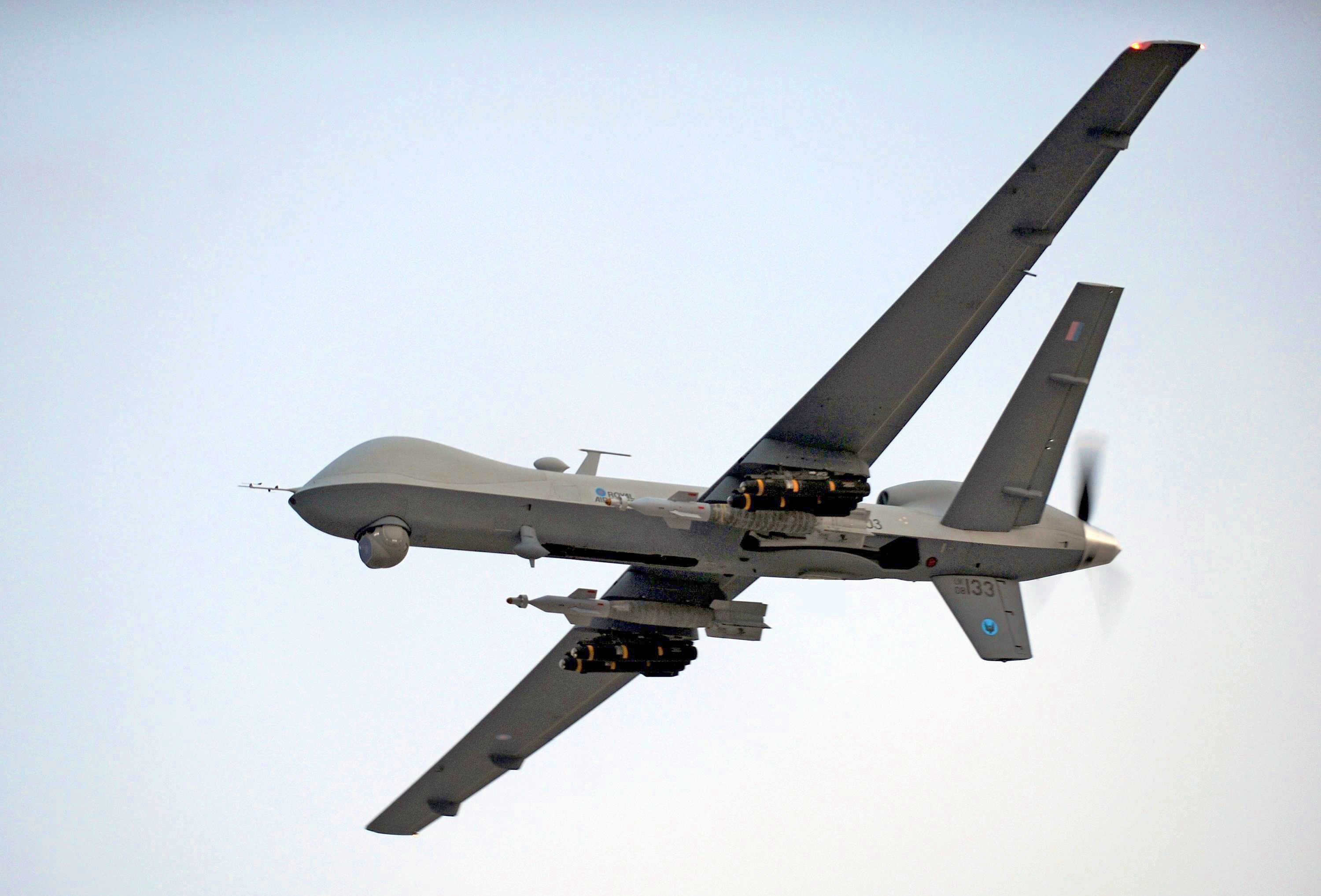
Reports: Hezbollah Uses Guided Missiles, Killer Drones on IDF Positions Near Israel–Lebanon Line
Severity: WARNING
Detected: 2026-06-13T00:20:48.460Z
Summary
Hezbollah is reported around 00:01 UTC to have struck Israeli army positions with Nasr‑2 guided rockets and Sayyad‑2 kamikaze drones, extending its blend of precision fires and UAVs on the northern front. The strikes deepen the Israel–Lebanon standoff at a moment of Iranian assertiveness in the Gulf, increasing the risk that a localized exchange hardens into a broader regional confrontation with direct implications for energy flows and investor risk appetite.
Details
Hezbollah has reportedly launched a combined missile and drone attack on Israel Defense Forces (IDF) positions near the Lebanon–Israel border around 00:01 UTC on 13 June, using Nasr‑2 guided rockets and Sayyad‑2 kamikaze drones. The report, carried on social media with video evidence cited, indicates that the targets were IDF military positions rather than civilian infrastructure. There are no immediate casualty or damage figures, and Israeli official confirmation or response details are not yet available.
The Nasr‑2 is described in the reporting as a guided system derived from the Syrian M302 rocket family, which is capable of extended‑range strikes with substantial warheads. The Sayyad‑2 is characterized as a loitering munition or one‑way attack drone. In operational terms, this means Hezbollah is not just firing unguided rockets but is employing a mix of precision‑capable artillery rockets and attack UAVs designed to defeat static defenses and exploit radar gaps. Source confidence is moderate: the account relaying the attack has previously tracked regional military activity, and the weapons descriptions are consistent with known or plausible Hezbollah capabilities, but we lack independent confirmation from Israeli or Western military channels at this time.
For civilians in northern Israel and southern Lebanon, this pattern sustains a climate of intermittent high‑intensity exchanges that keep border communities under threat of sudden escalation and constrain economic life, agriculture, and local logistics. For governments, each Hezbollah strike that relies on guided or UAV systems complicates Israel’s air‑defense calculus and increases political pressure in Jerusalem to either harden defensive postures further or contemplate more decisive action against launch sites and command nodes in Lebanon. Lebanese authorities, already facing economic collapse, have limited ability to shape Hezbollah’s decisions yet will absorb any retaliatory damage.
Militarily, the reported use of Nasr‑2 and Sayyad‑2 systems reinforces that the northern front is an integrated missile‑and‑drone battlespace, not just sporadic rocket harassment. This forces Israel to allocate additional high‑value air‑defense and electronic‑warfare assets away from other theaters, notably Gaza or the Red Sea approaches, and to maintain higher operational readiness along the Blue Line. It also offers Iran and its partners a live testbed for coordinated missile‑drone tactics that could be applied in other theaters, including against Gulf and maritime targets.
From a markets perspective, the incremental escalation adds to a growing stack of Middle East risks: Iranian strikes on Bahrain’s security infrastructure, IRGC interference with vessels transiting the Strait of Hormuz, and now more sophisticated fire from Hezbollah on Israel’s northern border. None of these individually close a shipping lane or remove major energy capacity, but together they justify a fatter geopolitical risk premium in crude benchmarks, support elevated gold prices, and weigh on regional equity markets, especially Israeli and Lebanese names. Defense and missile‑defense suppliers, as well as firms specializing in counter‑UAV systems, may see strengthened demand expectations. Currency markets are likely to reflect a mild move into safe havens if exchanges intensify, particularly if Israel responds with deep strikes into Lebanon.
Over the next 24–48 hours, key watchpoints include: whether Israel acknowledges the attack and conducts visibly escalatory retaliatory strikes; any sign that Hezbollah expands target sets beyond border‑adjacent IDF positions toward deeper infrastructure or urban areas; and regional signaling from Iran and the United States regarding deterrence lines. Traders should track any related uptick in crude time‑spreads, insurance premia for Eastern Mediterranean shipping, and option skew in Israeli and regional equity indices as early indicators of market repricing for a wider war risk.
MARKET IMPACT ASSESSMENT: Adds to Middle East risk premium already elevated by Iranian actions in the Gulf. Supports higher oil and gold, modest safe‑haven bid to USD and CHF, and pressure on Israeli assets. Defense and drone‑countermeasure names could see incremental interest.
Sources
- OSINT