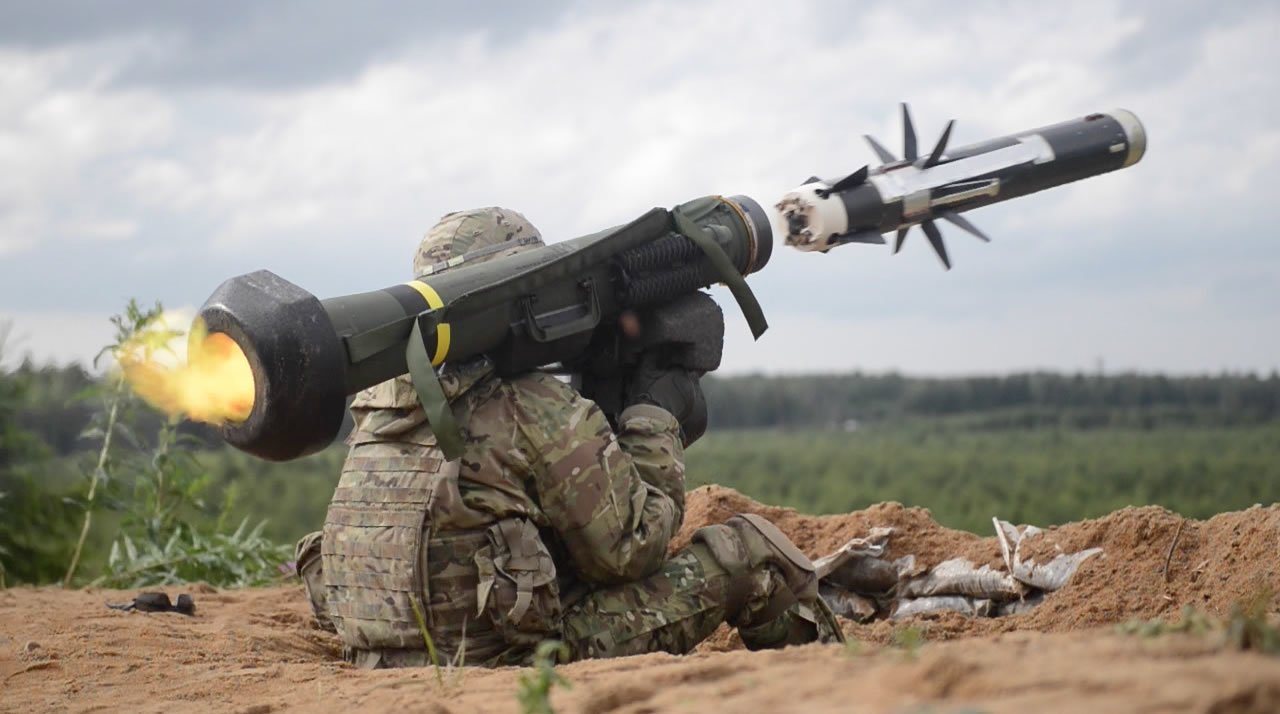
Sudan’s Army Uses Turkish Hisar‑A Missiles to Stop UAE‑Backed RSF Drone Barrage
Sudan’s regular army says it intercepted a wave of kamikaze and strategic drones over Omdurman using Turkish‑made Hisar‑A air defense systems, thwarting an attack attributed to UAE‑backed Rapid Support Forces. The engagement shows how foreign‑supplied weapons are reshaping Sudan’s civil war and turning its skies into a test range for rival patrons’ systems.
The battle for Sudan’s future is increasingly being fought in the skies above its cities, with foreign‑made weapons on both sides. In the latest escalation, Sudan’s army used Turkish‑supplied Hisar‑A air defense systems to shoot down a volley of drones targeting northwest Omdurman, in an attack attributed to UAE‑backed Rapid Support Forces (RSF). For residents, the sight of missile debris falling from intercepted drones is a reminder that their streets have become a proxy battleground.
On 9 June, Sudanese military sources reported that the army had employed Hisar‑A short‑range air defense missiles to intercept a combined attack of kamikaze and so‑called strategic drones over northwest Omdurman, a key urban area across the Nile from Khartoum. The drones were said to belong to RSF units supported by the United Arab Emirates. According to these reports, the intercepts were successful, with missile fragments and drone debris landing in the area after the engagement. There were no immediate confirmed casualties from falling wreckage, but verification remains limited amid the fog of Sudan’s war.
For civilians in Omdurman and greater Khartoum, the immediate reality is terror from above. RSF drones and government air defenses both turn residential neighborhoods into risk zones: an incoming drone can slam into an apartment block or market, while a successful intercept can scatter high‑velocity fragments across roofs and streets. Families already displaced multiple times by ground fighting now listen for the sound of drones and missile launches, uncertain whether the next blast marks a direct hit or an interception overhead.
Strategically, the engagement highlights how external support is raising the technological ceiling of Sudan’s civil war. The RSF’s use of long‑range and kamikaze drones, reportedly supplied or facilitated by foreign backers, has allowed the paramilitary group to threaten army positions, airbases and urban centers that were once relatively secure. In turn, the army’s acquisition and deployment of Turkish Hisar‑A systems gives it a more modern toolset for denying the RSF airspace over key strongholds, demonstrating to both domestic and foreign audiences that it can defend critical nodes despite being stretched across multiple fronts.
The involvement of Turkey and the UAE — on opposite sides of the conflict — turns engagements like the Omdurman intercept into more than local skirmishes. They serve as live tests of competing weapons ecosystems: Emirati‑linked drone platforms against Turkish short‑range air defenses, all playing out over the homes of Sudanese civilians. Each successful intercept will be touted by the army and Ankara as proof of capability; each RSF strike that gets through underscores the persistence of the paramilitaries and the risks of betting on any one foreign patron.
Key Takeaways
- Sudan’s army reports using Turkish‑made Hisar‑A air defense systems to intercept an RSF drone attack targeting northwest Omdurman.
- The drones were described as a mix of kamikaze and “strategic” platforms, attributed to UAE‑backed RSF forces.
- Intercepts were reportedly successful, with debris from missiles and drones landing in the area.
- The engagement highlights how foreign‑supplied drones and air defenses are deepening the technological and proxy dimensions of Sudan’s civil war.
Outlook & Way Forward
In the near term, Sudan’s skies are likely to see more of these duels as the RSF seeks to compensate for ground constraints with stand‑off drone attacks and the army leans on new air defenses to protect its shrinking urban bastions. Each engagement increases the risk of collateral damage from falling debris and misdirected strikes, compounding humanitarian needs in cities already battered by artillery, siege and displacement.
Longer term, the pattern entrenches Sudan’s war as a proxy contest within a wider Middle Eastern arms marketplace. As both sides demonstrate the effectiveness of their foreign‑supplied systems, suppliers may feel emboldened to deepen ties, while rival states weigh their own stakes in the conflict’s outcome. For any eventual peace process, dislodging these external interests — and rolling back the flow of advanced drones and missiles — will be as critical as getting Sudan’s own factions to the table. Until then, Sudanese civilians will continue living beneath a sky where each new weapons shipment raises the odds that the next explosion lands close to home.
Sources
- OSINT