Europe Deepens Ukraine War Bet With 10‑Year Arms Pact, New Drone and Missile Push
Severity: WARNING
Detected: 2026-06-09T15:27:35.313Z
Summary
Latvia has signed a 10‑year defense cooperation deal with Ukraine, while Germany and Norway pledge fresh funds for ammunition and naval drones and Kyiv approves an ambitious missile and artillery build‑out. The package signals that European capitals and Ukraine are preparing for a protracted, higher‑tech war rather than a near‑term settlement, raising long‑range risk for Russia and locking in sustained demand for European defense output.
Details
Within the hour on 9 June, a cluster of moves by Ukraine and key European partners has shifted the trajectory of the war away from short‑term aid cycles toward a long‑term, industrialized confrontation.
At approximately 14:58 UTC, Latvia and Ukraine signed a 10‑year defense cooperation agreement. According to the report, the deal covers joint production of drones, air defense systems and other weapons, structured technology and intelligence sharing, and at least €110 million in Latvian funding over the first two years. Critically, the text also “allows for the exploration of the possibility of stationing” – strongly implying future basing or co‑location of assets or facilities, which would tighten Latvia’s direct exposure to Russian counter‑pressure.
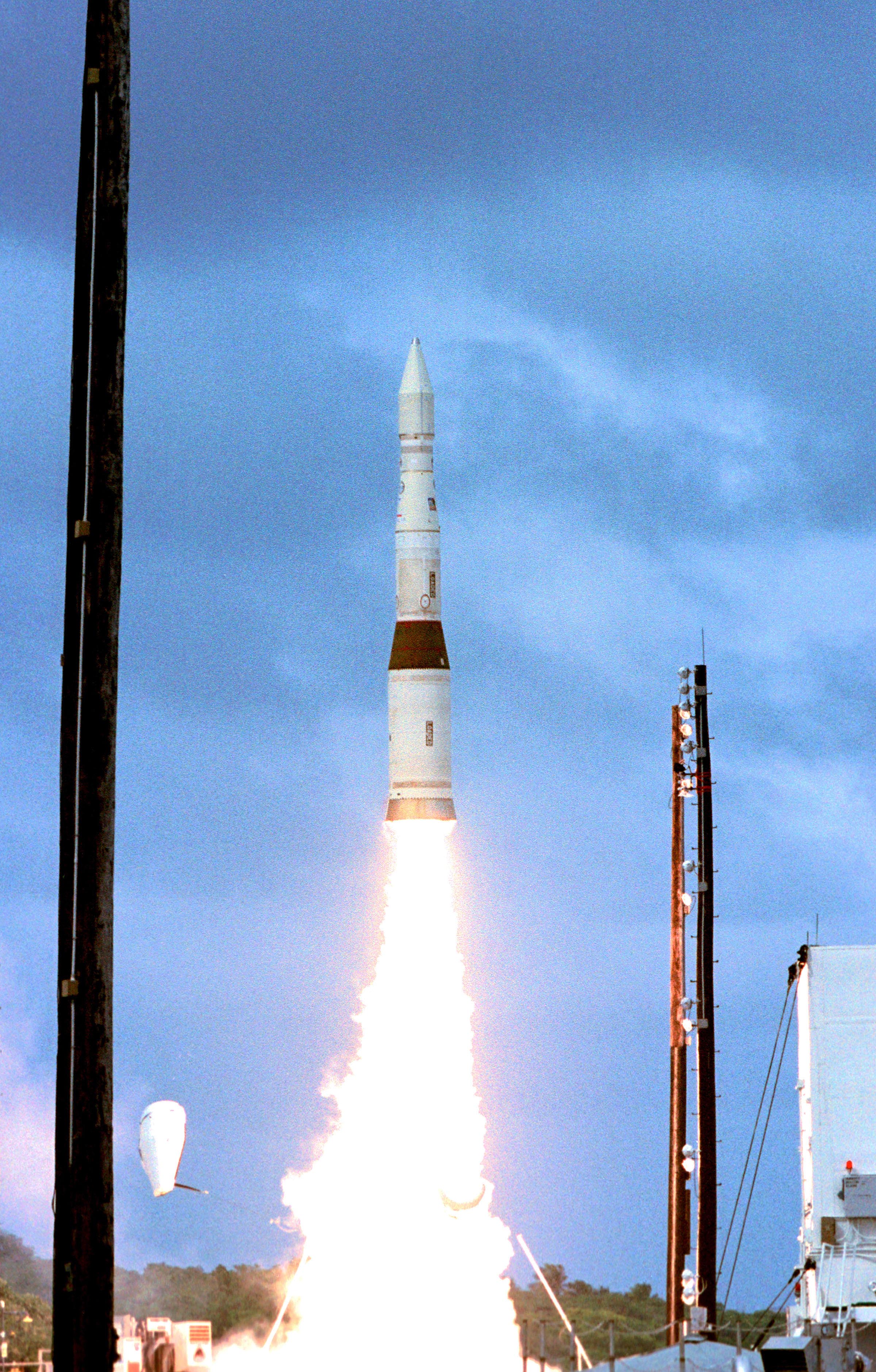
Minutes earlier, at 14:59 UTC, Ukraine‑linked channels reported that Germany will contribute an additional €300 million to the Czech‑led artillery shell initiative, while Norway will allocate €109 million in 2026 to develop and procure maritime drones for Ukraine. Separately at 14:11 UTC, Kyiv approved a national concept for developing missile and artillery forces through 2030, prioritizing domestic gun systems and serial production of home‑grown ballistic and cruise missiles capable of deep‑strike engagements.
President Volodymyr Zelensky, speaking around 15:01 UTC, stated that Ukraine intends to reach output levels that allow it to respond to Russian attacks on a one‑for‑one basis, citing Russian usage of roughly 600 drones and 30–100 missiles per strike cycle. He warned that Russia will “feel this war at home” once Ukraine can match those numbers. These are declarative political statements but align with the newly approved force‑development plan and external funding streams.
For civilians and industry, this points to a conflict that will remain high‑intensity and increasingly drone‑ and missile‑centric. Urban centers and energy infrastructure in both Ukraine and Russia stay at elevated risk of sustained bombardment. European and Ukrainian workers in drone manufacturing, electronics, explosives, shipyards, and air‑defense sectors will see multi‑year demand and likely state-backed expansion, while populations near prospective Latvian or other regional facilities face heightened status as potential Russian intelligence and cyber targets.
Militarily, long‑term joint production and technology exchange embeds Ukraine more deeply into NATO’s defense ecosystem without formal membership. Russian planners must assume that Ukrainian ISR, strike capabilities, and munition flows will be less vulnerable to political swings in any single capital. The potential for stationing related to the Latvia pact will be interpreted in Moscow as another step toward forward‑based NATO‑linked capabilities focused on the Russian theater, increasing incentive for hybrid pressure on Latvia and the broader Baltic region.
Economically and for markets, this architecture locks in higher baseline European defense spending and supports valuations for contractors in artillery, drone, missile, and air‑defense supply chains. It reduces the probability of a quick, negotiated de‑escalation that would unwind the geopolitical risk premium baked into European gas and, indirectly, oil prices. Sustained sanctions, long‑range strike development, and pressure on Russia’s logistics—including reported Ukrainian drone pressure on land routes to Crimea—keep downward pressure on Russian assets and the ruble over the medium term.
Over the next 24–48 hours, watch for: publication of more detailed terms of the Latvia‑Ukraine pact, especially any language on basing or co‑production sites; confirmation from Berlin and Oslo on disbursement timelines and specific drone systems; and Russian rhetorical or kinetic responses, particularly cyber or disinformation campaigns targeting Latvia or the Czech artillery initiative. Markets will track whether other NATO and EU states follow with similar decade‑scale agreements, which would further entrench a long‑war scenario.
MARKET IMPACT ASSESSMENT: Longer war horizon and formalized industrial linkages support elevated European defense equities and drone/missile supply-chain names, sustain a geopolitical risk premium in gas and possibly oil, and complicate any near-term Russia-Ukraine de-escalation trade; ruble risk stays skewed weaker over time, while CEE FX and Eurozone fiscal/defense spending trajectories remain under pressure.
Sources
- OSINT