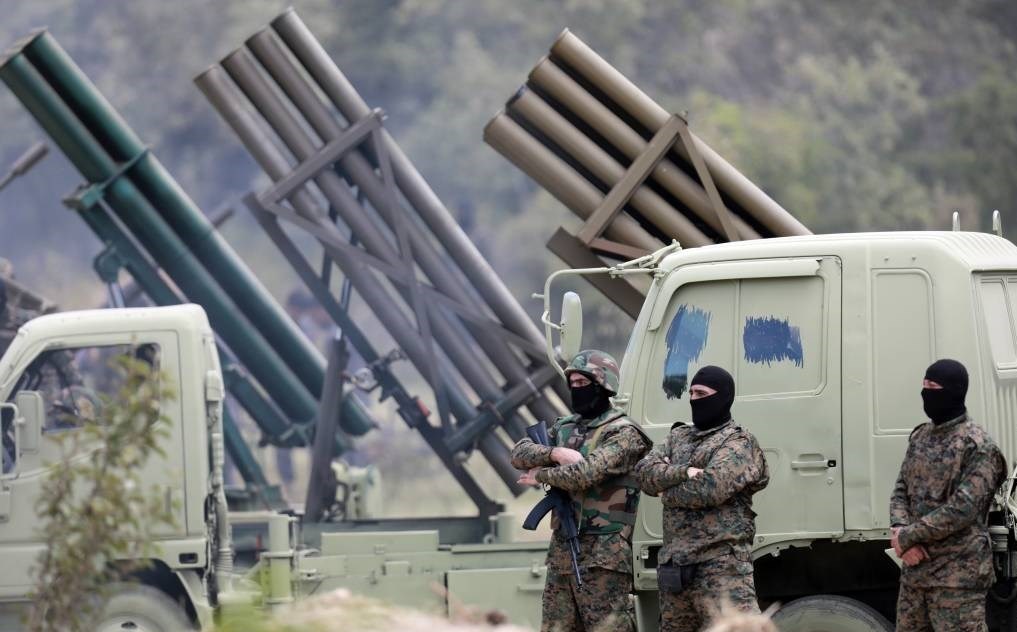
Hezbollah Fighter Crosses Into Israel, Opens Fire as IDF Deploys Elite Unit
Severity: WARNING
Detected: 2026-06-09T13:57:33.128Z
Summary
Reports from 13:01–13:25 UTC say a Hezbollah gunman armed with a rifle and knife infiltrated Israeli territory near Manara, engaged Israeli forces and was killed, with no reported Israeli casualties and Shayetet 13 deployed to secure the area. The incident deepens a pattern of cross‑border contact that could drag Israel and Lebanon into a broader fight, raising miscalculation risk for regional powers and energy markets.
Details
A Hezbollah combatant crossed from Lebanon into Israeli territory near Manara on Tuesday and opened fire on Israeli forces before being killed, according to battlefield reporting at 13:01–13:25 UTC. The fighter was reportedly armed with a rifle and knife and operated on the Israeli side of the frontier around the Ramim Ridge area, a tactically sensitive stretch overlooking northern Israeli communities. The Israel Defense Forces reported no Israeli casualties. Israeli naval commando unit Shayetet 13 was deployed to the sector as part of the response and subsequent search operations.
OSINT posts indicate Hezbollah also publicly claimed five operations against Israeli forces in southern Lebanon on Tuesday, signaling that the group is framing the infiltration as part of a broader campaign rather than an isolated rogue action. The cross‑border element is confirmed in multiple accounts, but details on the duration of the firefight, supporting forces on either side, and whether additional cells attempted to cross remain limited. At this stage, there is no evidence of civilian casualties or direct strikes on major infrastructure; however, the involvement of a high‑end Israeli special operations unit highlights how seriously the IDF is treating even single‑man incursions.
For residents in northern Israel and southern Lebanon, this raises the probability of both tighter movement restrictions and sharper retaliatory fire. Local agriculture, cross‑border trade, and tourism—which had already been depressed by months of rocket and drone exchanges—face further disruption if Israel expands buffer zones or orders new evacuations. Aid agencies may face access constraints if the frontier hardens into a more continuous skirmish line.
Militarily, this marks a qualitative shift from indirect fire and stand‑off attacks toward close‑quarters contact inside Israeli territory. A pattern of such infiltrations could force Israel into more aggressive ground posture along the Blue Line, potentially including limited incursions into Lebanon to destroy staging areas. That, in turn, risks drawing in additional Iranian‑linked militias and increasing demands on U.S. naval and air assets already covering the Eastern Mediterranean and the approaches to the Strait of Hormuz.
For markets, any move from sporadic cross‑border incidents to sustained ground combat on the Lebanon–Israel front would raise regional geopolitical risk. Energy traders will watch for signs that Israel or Hezbollah are willing to target or indirectly threaten critical infrastructure, including offshore gas platforms in the Eastern Med or logistics routes used by Gulf exporters. A serious escalation could add a risk premium to Brent and WTI, strengthen gold and defense equities, and weigh on Israeli assets and some EM currencies with MENA exposure.
Over the next 24–48 hours, key watchpoints are: (1) IDF statements indicating whether this is treated as a one‑off breach or part of an organized infiltration campaign; (2) any Hezbollah rhetoric promising additional incursions beyond rocket and missile fire; (3) evacuation or mobilization orders in northern Israel that would signal preparation for wider operations; and (4) any U.S. or European naval posture changes in the Eastern Mediterranean that suggest concern about spillover beyond the land border.
MARKET IMPACT ASSESSMENT: Adds marginal risk premium to regional assets and safe havens; if cross‑border raids multiply or trigger broader IDF operations in Lebanon, expect upside pressure on oil, gold, defense equities and potential weakness in EM assets exposed to MENA risk.
Sources
- OSINT