Reports: Ukrainian Strikes Deepen Russian South Refining Damage, Fuel Strains Spread in Krasnodar
Severity: WARNING
Detected: 2026-06-09T05:47:33.278Z
Summary
New satellite imagery confirms Ukraine’s May 31 Neptune strike crippled key processing units at Russia’s Novoshakhtinsk refinery while a Krasnodar oil depot still burns and gas stations start to run dry. The pattern points to a sustained campaign against southern Russian fuel infrastructure, increasing pressure on Moscow’s logistics, Black Sea exports, and domestic price stability.
Details
Satellite confirmation that Ukraine’s Neptune cruise missiles knocked out primary processing units at Russia’s Novoshakhtinsk refinery, combined with evidence of an ongoing fire at the Ust-Labinsk oil depot and growing fuel shortages in Krasnodar, signals a deeper, more durable disruption of southern Russia’s fuel system than initially assumed. The direct stakes are Moscow’s ability to supply its own military in Ukraine, stabilize prices for its population, and maintain refinery-driven export revenues.
According to a report filed at 05:19 UTC, fresh satellite imagery shows that Ukraine’s May 31 strike on the Novoshakhtinsk refinery in Rostov region damaged two core crude distillation units, AVT-1 and AVT-2, and triggered a fire on site. These units are central to turning crude into marketable products; damage there typically forces a reduction or suspension of throughput, not just a cosmetic repair. While the exact reduction in capacity is not yet quantified in open sources, the nature of the hit points to meaningful curtailment rather than a short-lived interruption.
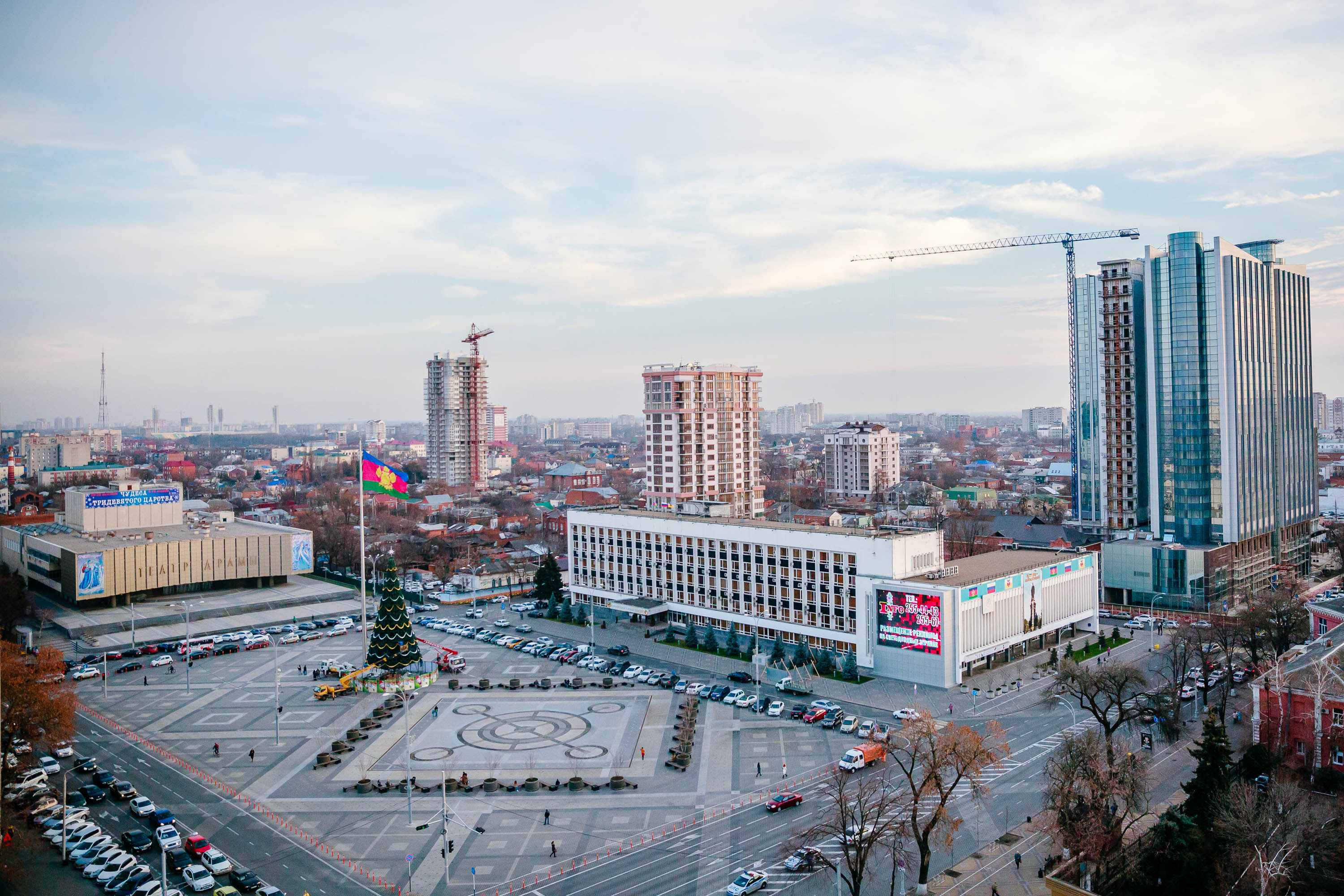
A separate report at 05:12 UTC notes that satellite images still show an active fire at the Ust-Labinsk oil depot in Krasnodar Krai after a Ukrainian drone strike. Follow-on reporting at 05:07 UTC describes fuel supply problems spreading across Krasnodar, with many gas stations either closed or short on fuel. Authorities say a major deficit has not yet materialized, but the commentary underscores growing local pressure after repeated attacks on regional oil infrastructure.
For people on the ground, this shift is tangible: motorists in Krasnodar are already facing closures and queues; industrial users and agricultural operators in one of Russia’s key farming regions face rising uncertainty about fuel availability during critical seasonal cycles. Any perception of sustained shortages or rationing risks eroding public confidence in the government’s ability to insulate the home front from the war.
Militarily, Russia’s southern fuel network underpins operations across occupied southern Ukraine and Crimea. Damage to Novoshakhtinsk and storage nodes like Ust-Labinsk complicates logistics for moving refined products to front-line units and supporting rail hubs. Moscow can reroute some supply from other refineries and use military stockpiles, but a pattern of precision strikes on refineries, depots, and bridges (including renewed damage to the Chonhar bridge reported separately at 05:10 UTC) is forcing Russia to stretch transport assets, lengthen supply lines, and accept higher vulnerability to further attacks.
For markets, the immediate global price impact is moderate but non-trivial. The affected facilities feed both domestic demand and export flows out of the Black Sea basin. If damage to processing units and depots is prolonged, Russia may prioritize domestic supply over exports or divert cargoes between ports, altering seaborne flows of diesel, gasoline, and vacuum gasoil. That would support refined product cracks and potentially widen the Urals discount if crude backs up against constrained refining capacity. Regional traders will be looking for signals from Russian authorities on domestic price controls, export quotas, or logistical reconfiguration, all of which can shift cash differentials and freight patterns.
Over the next 24–48 hours, key watch points are: (1) any official or commercial estimate of capacity loss or downtime at Novoshakhtinsk; (2) evidence of broadening fuel rationing or price spikes in Krasnodar and neighboring regions; (3) indications of rerouted or cancelled product shipments from Black Sea ports; and (4) further Ukrainian attempts to systematically target Russia’s southern refining, storage, and bridge infrastructure. If this campaign continues at current intensity, the cumulative effect could move from regional stress to a more visible reshaping of Russian domestic energy policy and export behavior.
MARKET IMPACT ASSESSMENT: Sustained pressure on Russian refining capacity in Rostov and Krasnodar could tighten regional diesel and gasoline supply, support higher refined product cracks, and marginally underpin Brent/Urals spreads. Traders will watch for any sign of reduced exports from Black Sea ports, Russian domestic price controls, or emergency rerouting that could shift flows into or away from European and Middle Eastern markets.
Sources
- OSINT