Reports: Ukrainian Strikes Ignite Russian Oil Depots, Worsen Krasnodar Fuel Strains
Severity: WARNING
Detected: 2026-06-09T05:37:34.981Z
Summary
New satellite-confirmed damage to Russian refineries and depots, plus visible fuel shortages in Krasnodar and fresh closure of the Chonhar bridge, point to a concerted Ukrainian campaign against Russia’s southern energy and logistics network. The pressure falls directly on Russian civilians, frontline resupply, and regional fuel markets tied to the Black Sea.
Details
Ukrainian long‑range attacks are now visibly eroding Russia’s energy and logistics backbone in the south, with fresh evidence of refinery damage, an ongoing depot fire and emerging fuel shortages across Krasnodar Krai as of 05:07–05:18 UTC on 9 June. This is no longer a series of isolated drone hits: the pattern increasingly resembles a systematic campaign against the infrastructure that feeds both Russian civilians and frontline forces in Ukraine.
Satellite imagery cited at 05:19 UTC confirms that Ukrainian Neptune cruise missiles struck the Novoshakhtinsk refinery in Russia’s Rostov region on 31 May, damaging two primary crude processing units, AVT‑1 and AVT‑2, and triggering a fire on site. While output data are not yet available, damage to primary distillation units typically forces significant throughput cuts, constraining regional supplies of gasoline, diesel and other products.
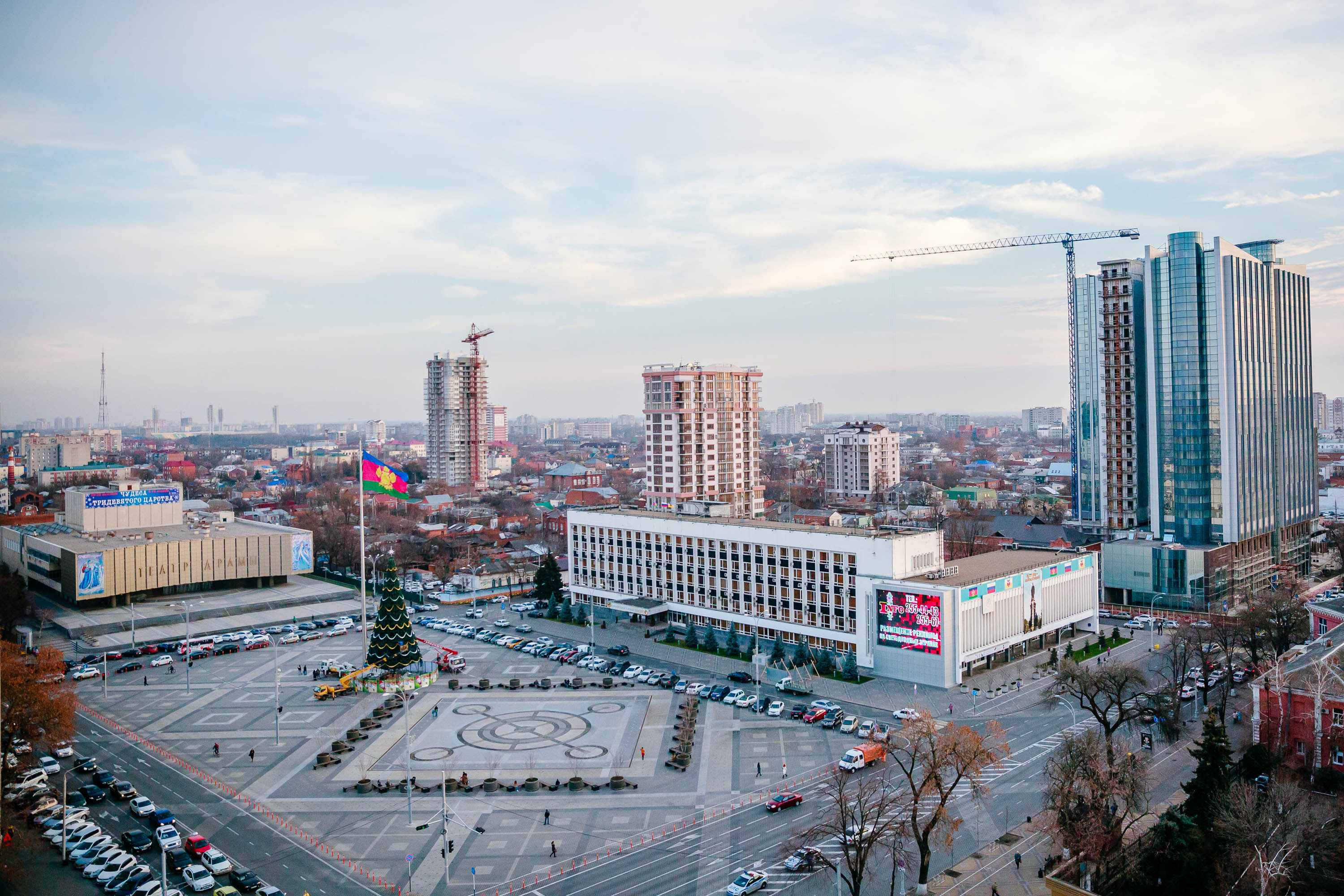
At 05:12 UTC, new satellite images showed a fire still burning at the Ust‑Labinsk oil depot in Krasnodar Krai after a Ukrainian drone strike, indicating prolonged disruption to local storage and distribution. By 05:07 UTC, local reports described fuel supply problems spreading across Krasnodar: many gas stations were either closed or short on fuel for vehicles. Authorities characterize this as pressure short of a full‑blown deficit, but the direction of travel is clear.
In parallel, a Russian‑installed official in occupied Kherson, Volodymyr Saldo, said at 05:10 UTC that Ukraine had again damaged the Chonhar bridge linking Crimea to mainland occupied territory via an overnight drone attack, forcing a renewed closure and rerouting traffic through Armyansk and Perekop. That adds friction and delay to a corridor that supports both civilian movement and military logistics into Crimea and southern Ukraine.
For civilians in Krasnodar and surrounding regions, the immediate impact is queues, closures, and mounting uncertainty over personal mobility and agriculture‑linked fuel needs ahead of peak summer demand. For Russian forces, repeated hits on depots and bridges complicate the movement of fuel, ammunition and reinforcements into the southern theater, potentially constraining offensive tempo or forcing riskier, longer‑haul resupply routes more vulnerable to further strikes.
Energy markets will focus on the cumulative effect rather than any single asset: Novoshakhtinsk is one of several southern refineries now periodically offline or degraded, and persistent drone and missile activity raises insurance costs for infrastructure and logistics around the Sea of Azov and the Black Sea. If refinery throughput reductions in Rostov and Krasnodar persist, southern Russia and parts of occupied Ukraine may have to draw more heavily on other regions or exports, tightening domestic balances and, at the margin, supporting regional refined product prices.
Over the next 24–48 hours, watch for Russian announcements on repair timelines at Novoshakhtinsk and Ust‑Labinsk, any formal rationing or price controls in Krasnodar, and follow‑on Ukrainian strikes against additional depots, rail nodes or port‑adjacent infrastructure. Markets will also react to evidence that fuel constraints are affecting Russian military operations, which would reinforce perceptions that Ukraine’s deep‑strike campaign can meaningfully reshape the battlefield and the risk profile of Russian energy flows.
MARKET IMPACT ASSESSMENT: Incremental bullish pressure on regional refined product prices and crack spreads; modest supportive bias for global oil benchmarks as traders reassess resilience of Russian downstream and export logistics; potential for localized disruptions in southern Russia to spill into wider Black Sea freight and insurance pricing if strikes persist.
Sources
- OSINT